Book guide and evaluation
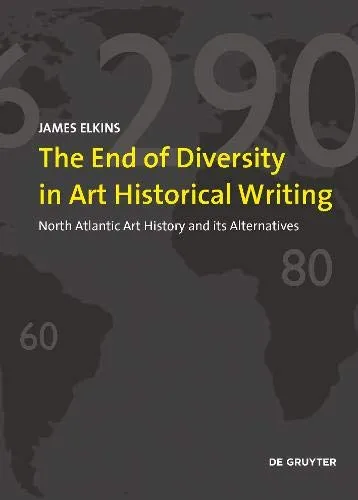
The End of Diversity in Art Historical Writing: North Atlantic Art History and its Alternatives
James Elkins
English
Beginner
Art History
4.6 / 5
0 reviews
2020
Published
224
pages
450
views
Introduction to 'The End of Diversity in Art Historical Writing: North Atlantic Art History and its Alternatives' James Elkins' groundbreaking book, "The End of Diversity in Art Historical Writing: North Atlantic Art History and its Alternatives," delves into the predomina
Before you read
What will you get from this book?
Introduction to 'The End of Diversity in Art Historical Writing: North Atlantic Art History and its Alternatives'
James Elkins' groundbreaking book, "The End of Diversity in Art Historical Writing: North Atlantic Art History and its Alternatives," delves into the predominance of North Atlantic perspectives in art history and the challenges of fostering genuine diversity in the field. This book serves as a critical reflection on the limitations of current art historical practices and the potential pathways toward greater inclusivity and representation.
Detailed Summary
The book explores how North Atlantic art history, characterized by its Eurocentric narratives and methodologies, has shaped the global discourse of art history. This hegemony has resulted in a limited portrayal of diverse artistic traditions and practices from around the world. Elkins critically examines the institutional, cultural, and historical forces that perpetuate this dominance, while also questioning the plausibility of achieving true diversity within academic and museum settings.
Throughout the chapters, Elkins engages with a variety of voices from the global art community, illuminating how scholars and practitioners from non-North Atlantic regions perceive and challenge the status quo. By presenting case studies and personal narratives, the book offers insights into the ways non-Western art histories are often marginalized or subsumed under Western frameworks.
Importantly, Elkins addresses the complicity of academic institutions and publishing in maintaining these structures, while also proposing strategies for genuine pluralism in art historical writing. This includes the decentralization of North Atlantic narratives, the adoption of new epistemologies, and fostering intercultural dialogues that respect and prioritize non-North Atlantic perspectives.
Key Takeaways
- Recognizing the dominance of North Atlantic perspectives in art history and its global implications.
- The need for structural changes in how art history is taught, written, and disseminated globally.
- The importance of engaging with non-North Atlantic scholars and traditions to foster a more inclusive art historical discourse.
- Strategies for decentralizing Eurocentric narratives and promoting intercultural dialogue.
- The role of institutions, publishers, and academia in perpetuating or challenging these paradigms.
Famous Quotes from the Book
"The end of diversity is not a termination, but a call to account for the limitations of our current paradigms."
"To envision a truly diverse art history, we must first reckon with the histories we have silenced."
Why This Book Matters
"The End of Diversity in Art Historical Writing" is essential reading for art historians, scholars, and anyone interested in the global landscape of art history. It challenges readers to reconsider the narratives they have been taught and to recognize the inherent biases that shape academic discourses. With its critical lens and thought-provoking analyses, Elkins' book encourages a reevaluation of how art histories are constructed and the importance of embracing a multiplicity of voices.
As art history continues to evolve in a globalized world, the urgency of these discussions cannot be overstated. This book not only highlights the challenges but also offers a vision for a more inclusive and representative art historical practice. It stands as a pivotal contribution that invites ongoing dialogue and transformative change in the field.
Ask this book
Your question is answered in the context of this title and author. Each answer uses 2 points.
Sign in to ask the book assistant.
Reader reviews
0 reviews, 4.6 average out of 5
No reviews yet
If you have read this book, help the next reader with your experience.
Write a review
Sign in to publish a review.
Reader questions and answers
Ask a focused question and learn from the community.
Sign in to ask or answer a question.
No questions yet
Be the first to ask a clear, useful question.
What to read next
Related references that continue this learning path.
Practices of Looking: An Introduction to Visual Culture
Marita Sturken;Lisa Cartwright
2017
View book