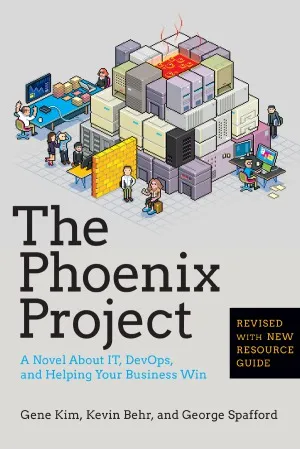
The Phoenix Project : A Novel about IT, DevOps, and Helping Your Business Win
Gene Kim,George Spafford,Kevin Behr
2015
View book
Book guide and evaluation
Viktor Farcic
0 reviews
Published
pages
views
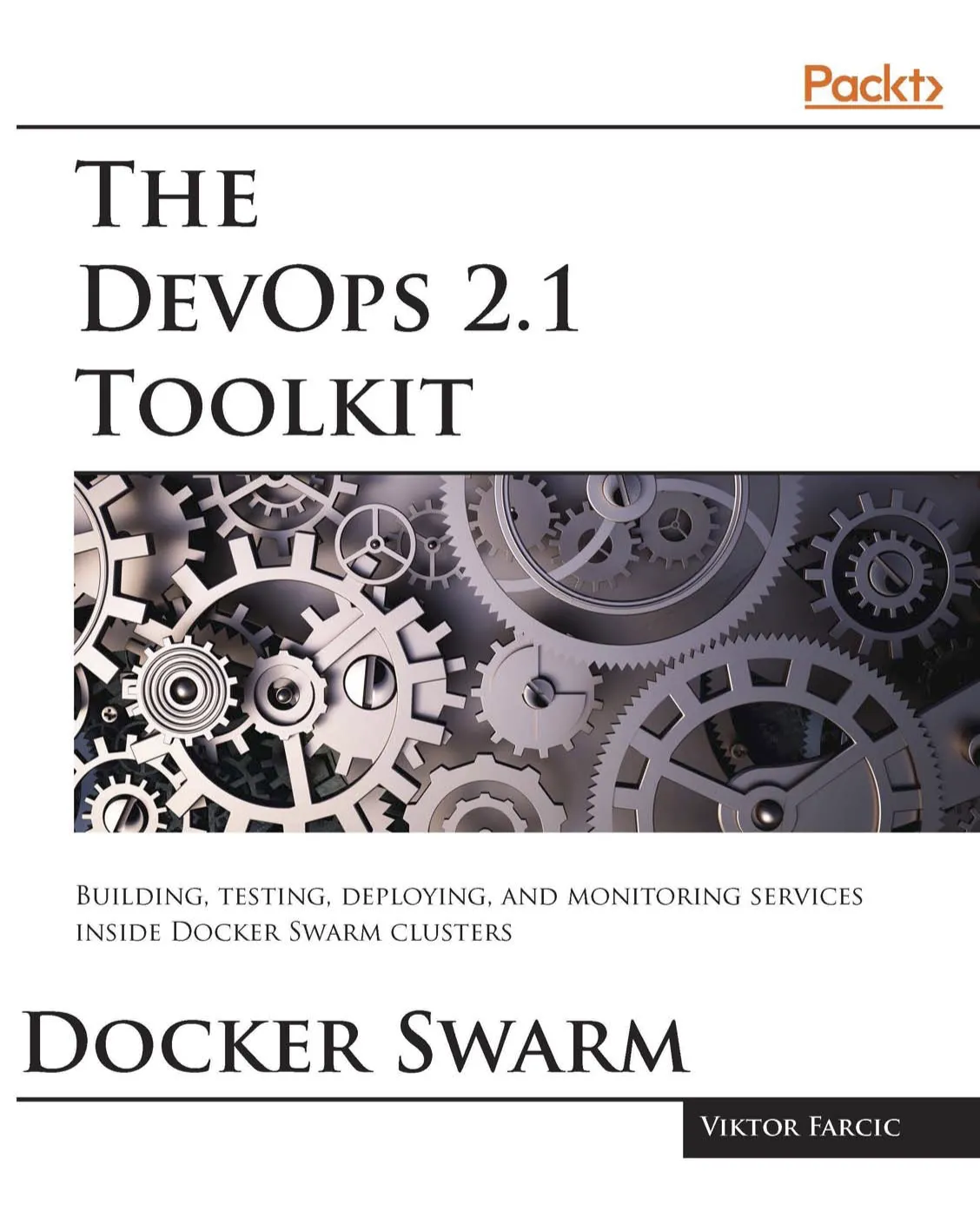
Unravel the complexities of Docker and elevate your DevOps practices with "The DevOps 2.1 Toolkit: Docker Swarm: Building, testing, deploying, and monitoring services inside Docker Swarm clusters" by Viktor Farcic. This comprehensive guide is a critical resource for IT profes
Before you read
Unravel the complexities of Docker and elevate your DevOps practices with "The DevOps 2.1 Toolkit: Docker Swarm: Building, testing, deploying, and monitoring services inside Docker Swarm clusters" by Viktor Farcic. This comprehensive guide is a critical resource for IT professionals who strive to master the art of continuous deployment in a Docker-centric world.
"The DevOps 2.1 Toolkit" delves deep into leveraging Docker Swarm for orchestrating containerized applications. As an orchestrator, Docker Swarm competes with other popular solutions like Kubernetes, yet its integration with Docker makes it a sturdy choice for many IT infrastructures. This book is not just about Swarm; it's about constructing a robust pipeline that automates the transitional phases of software development and operations — from building and testing to deployment and monitoring.
In this book, you'll discover practical steps to use Docker Swarm to manage clusters of Docker engines as a single virtual system. The comprehensive guide covers creating a high-availability Swarm cluster, deploying and scaling services, and practical strategies for troubleshooting and monitoring. Farcic's text combines foundational understanding with specific, hands-on examples that bring clarity to complex concepts.
"Automation is not about removing people from processes; it's about enabling people to focus on more meaningful tasks."
"In the real world, infrastructure must be treated as code; it's an essential paradigm that ensures consistency and repeatability across environments."
"Orchestrators like Docker Swarm are the quiet conductors of the today's most complex software symphonies."
In today's fast-paced digital landscape, having a finely-tuned DevOps strategy is crucial for the success of any tech organization. "The DevOps 2.1 Toolkit" provides the must-have knowledge and tools to implement and operate a DevOps flow inclusive of container orchestration. Docker Swarm's relative simplicity, coupled with its robust set of features, make it an enticing choice for organizations looking to streamline their container management efforts.
Viktor Farcic's work stands out for its practical approach, cutting through the complexity often associated with container orchestration to offer an accessible entry point for newcomers as well as new insights for experienced professionals. As industry demand for agile and efficient DevOps processes continues to rise, the practicality and insights provided by this book prove invaluable.
Ultimately, this book matters because it empowers technology teams to enhance their DevOps culture. By integrating Docker Swarm effectively within CI/CD pipelines, organizations can achieve faster deployments, give developers more control over the microservices they build, and shift focus back towards innovation and improvement.
Your question is answered in the context of this title and author. Each answer uses 2 points.
0 reviews, 4.0 average out of 5
Sign in to publish a review.
Ask a focused question and learn from the community.
Related references that continue this learning path.
Gene Kim,George Spafford,Kevin Behr
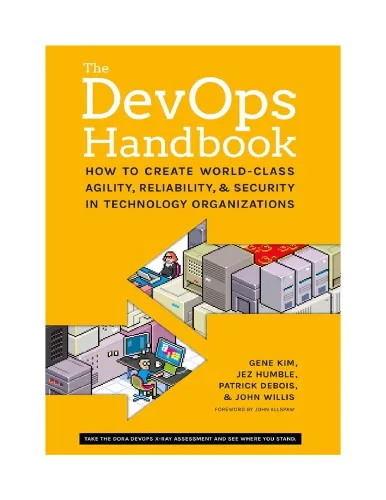
Gene Kim, Jez Humble, Patric Debois,andJohn Willis
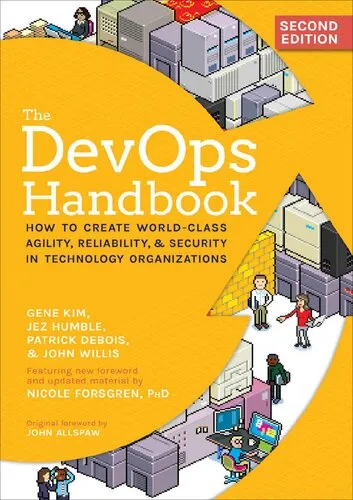
Gene Kim,Jez Humble,Patrick Debois,John Willis,Nicole Forsgren