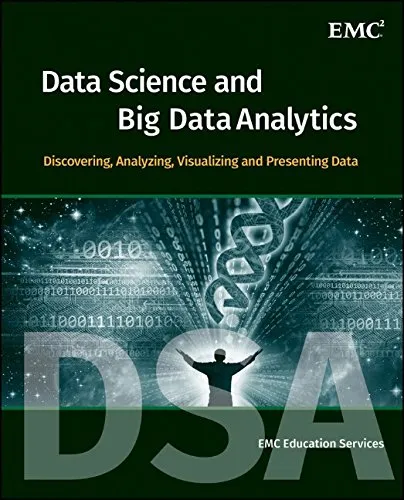
Data Science and Big Data Analytics: Discovering, Analyzing, Visualizing and Presenting Data
EMC Education Services
2015
View book
Book guide and evaluation
Brand Fortner (auth.)
0 reviews
Published
pages
views
Welcome to the introduction of The Data Handbook: A Guide to Understanding the Organization and Visualization of Technical Data. This comprehensive guide is designed to equip readers—be they students, professionals, or data enthusiasts—with the foundational skills and advanced
Before you read
Welcome to the introduction of The Data Handbook: A Guide to Understanding the Organization and Visualization of Technical Data. This comprehensive guide is designed to equip readers—be they students, professionals, or data enthusiasts—with the foundational skills and advanced insights needed to confidently work with technical data. From interpreting raw datasets to crafting compelling visual narratives, this book offers a practical roadmap for understanding and applying data effectively.
The world is increasingly driven by data, yet the ability to effectively organize, analyze, and visualize it remains a significant challenge for many. The Data Handbook was created to bridge this gap. The book begins with the basics, discussing the types of technical data and their respective structures. Readers are guided through critical concepts such as data hierarchies, metadata, and the importance of establishing context for any dataset.
In the later chapters, the book delves deeply into best practices for data visualization—covering essential subjects like graphing techniques, color theory, and the use of modern visualization tools. Practical examples and case studies are woven throughout, allowing readers to not only understand theoretical concepts but also apply them to real-world scenarios. Finally, the book emphasizes the ethical considerations of data handling, reminding us of the responsibility inherent in managing technical information.
Unlike other data science books that focus solely on coding or specific tools, The Data Handbook is tool-agnostic, extending its application to professionals across diverse industries. It is equally relevant for engineers, scientists, marketers, business analysts, and others who rely on technical or quantitative data to inform decisions.
"Data in its rawest form is like ore before refinement—it’s valuable, but its true worth lies in what we do with it."
"Visualization is not just the art of making data look beautiful—it's the science of making it understandable."
"The responsibility of a data professional extends beyond numbers and charts; it is ensconced in the truthfulness and integrity of their work."
In an era where decisions are increasingly guided by data, the ability to process, analyze, and communicate data effectively is no longer optional—it is essential. The Data Handbook stands out as a vital resource in this landscape, offering clear, actionable advice for data practitioners at all levels. With its focus on principles rather than tools, the book remains timeless and adaptable, regardless of the ever-evolving technology ecosystem.
Furthermore, the book sheds light on often-overlooked topics such as the ethics of data usage and the avoidance of biases in data interpretation. These are critical lessons in a world where the line between truthful representation and manipulation can sometimes blur.
The Data Handbook does not just teach you how to handle data—it inspires you to think critically about its meaning and impact. Its value lies in its ability to make data accessible without compromising on intellectual rigor. Whether you are a data scientist, a team leader, or simply someone who wants to understand the stories that numbers tell, this book is your go-to reference.
Your question is answered in the context of this title and author. Each answer uses 2 points.
0 reviews, 4.5 average out of 5
Sign in to publish a review.
Ask a focused question and learn from the community.
Related references that continue this learning path.
EMC Education Services