
Williams Obstetrics, 26th Edition
F. Gary Cunningham,Kenneth J. Leveno,Jodi S. Dashe,Barbara L. Hoffman,Catherine Y. Spong,Brian M. Casey
2022
View book
Book guide and evaluation
M. S. Newman,B. Tierney,S. Veeraraghavan
0 reviews
Published
pages
views
The Chemistry and Biology of Benz a anthracenes (Cambridge Monographs on Cancer Research) polycyclic aromatic hydrocarbons, carcinogenic biochemistry Authoritative study of The Chemistry and Biology of Benz a anthracenes (Cambridge Monographs on Cancer Research). Analytical
Before you read
The Chemistry and Biology of Benz a anthracenes (Cambridge Monographs on Cancer Research) presents a rigorous exploration of one of the most significant classes of polycyclic aromatic hydrocarbons (PAHs), detailing their chemical structures, biological effects, and critical relevance in the context of carcinogenesis. Written by M. S. Newman, B. Tierney, and S. Veeraraghavan, this volume synthesizes both theoretical and experimental perspectives for an audience that spans chemists, biologists, toxicologists, and cancer researchers.
The book systematically examines benz[a]anthracenes—complex organic compounds with a fused ring structure—paying particular attention to their synthesis, reactivity, metabolic pathways, and mutagenic potential. Drawing on decades of peer-reviewed studies, the authors present a cohesive framework that connects the physical chemistry of these molecules with their observed biological outcomes in laboratory models. While the publication year is information unavailable due to the absence of reliable public sources, its enduring place in the Cambridge Monographs on Cancer Research series signals its academic credibility and long-standing relevance.
Detailed chapters track the progression from molecular characterization to cellular response, including enzyme-mediated transformations, DNA adduct formation, and subsequent impacts on genomic stability. This integrated lens makes the work invaluable for understanding how environmental exposure to PAHs translates into biological risk.
Readers gain a comprehensive map of the chemical and biological dimensions of benz[a]anthracenes, coupled with an understanding of their broader role in carcinogenic biochemistry.
First, the book’s careful explanation of PAH chemistry deepens foundational knowledge for scientists involved in organic synthesis and environmental toxicology. Second, its biological analysis bridges the gap between structure and function, vital for cancer epidemiology and public health policy. Third, the text empowers professionals to engage in informed discourse on mitigation strategies, industrial hygiene, and regulatory frameworks concerning PAHs. Fourth, it reinforces the importance of interdisciplinary work within chemistry and biology for addressing real-world carcinogenic threats.
“Understanding the synergy between chemistry and biology is key to unraveling carcinogenic mechanisms.” Unknown
“In the chemistry of benz[a]anthracenes lies a blueprint for both hazard identification and prevention.” Unknown
“Bridging molecular data with biological outcomes elevates the relevance of polycyclic aromatic hydrocarbon research.” Unknown
In the global effort to understand, prevent, and treat cancer, works like *The Chemistry and Biology of Benz a anthracenes (Cambridge Monographs on Cancer Research)* hold indispensable value.
Its authoritative merging of polycyclic aromatic hydrocarbon chemistry with biological impact studies makes it a cornerstone for anyone researching environmental carcinogens. It furnishes not only chemical structures and reaction mechanisms but also evidence-based insights into how these compounds interact within biological systems to cause cellular damage and initiate oncogenic processes.
For academics, the book is a detailed reference; for professionals, a decision-making tool; for students, an advanced learning resource. This breadth of utility is rare, underscoring why its content continues to be consulted across multiple scientific disciplines.
The Chemistry and Biology of Benz a anthracenes (Cambridge Monographs on Cancer Research) invites its readers to look beyond isolated facts and embrace the interconnected nature of chemistry and biology in tackling carcinogenic challenges.
By engaging deeply with the molecular narratives and biological consequences of benz[a]anthracenes, academics, professionals, and policy-makers can equip themselves to make more informed decisions grounded in science. The authors’ systematic approach provides a rare opportunity to explore both laboratory-side chemistry and clinically relevant biological data, cultivating an interdisciplinary mindset essential for modern cancer research.
If you are committed to advancing your understanding of polycyclic aromatic hydrocarbons and their role in carcinogenesis, let this book be your gateway. Read it, share it with your colleagues, and discuss its insights to contribute meaningfully to the evolving discourse on environmental health and cancer prevention.
Your question is answered in the context of this title and author. Each answer uses 2 points.
0 reviews, 4.3 average out of 5
Sign in to publish a review.
Ask a focused question and learn from the community.
Related references that continue this learning path.
F. Gary Cunningham,Kenneth J. Leveno,Jodi S. Dashe,Barbara L. Hoffman,Catherine Y. Spong,Brian M. Casey
Alan Partin,Craig Peters,Louis Kavoussi,Roger Dmochowski,Alan Wein
John E. Bennett &Raphael Dolin &Martin J. Blaser
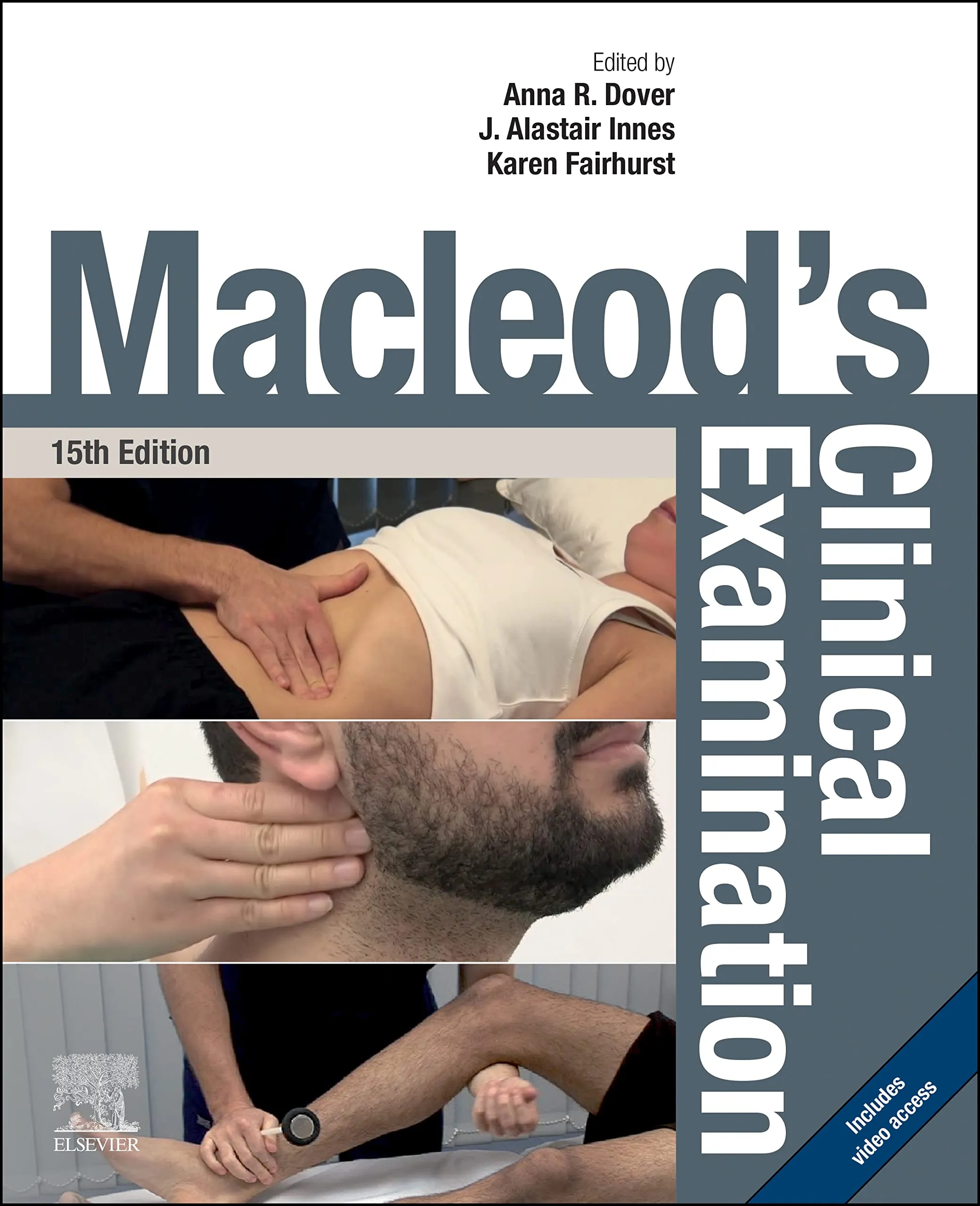
Anna R Dover PhD FRCP(Ed) (editor),J. Alastair Innes BSc PhD FRCP Ed (editor),Karen Fairhurst PhD FRCGP (editor)