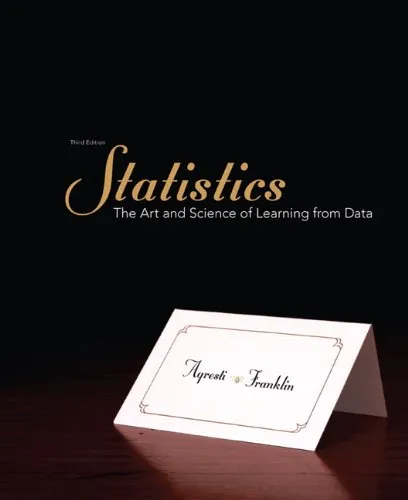
Statistics: The Art and Science of Learning from Data
Alan Agresti,Christine Franklin
2012
View book
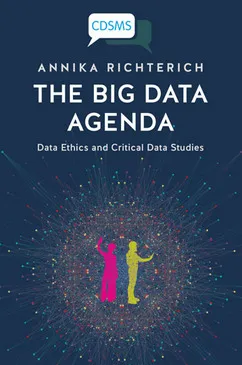
Book guide and evaluation
Annika Richterich
0 reviews
Published
pages
views
Introduction to "The Big Data Agenda: Data Ethics and Critical Data Studies" The world today is being shaped by the overwhelming influence of big data. From commerce to healthcare, public policy to personal relationships, data-driven technologies are embedded in the fabric
Before you read
The world today is being shaped by the overwhelming influence of big data. From commerce to healthcare, public policy to personal relationships, data-driven technologies are embedded in the fabric of modern society. My book, The Big Data Agenda: Data Ethics and Critical Data Studies, delves into the ethical and societal challenges posed by this data-centric era, encouraging readers to critically examine the practices, implications, and consequences of big data technologies.
In an era dominated by datafication, where virtually every human activity can be captured, stored, and analyzed, the ethical stakes are higher than ever. This book provides readers with a nuanced understanding of the critical issues that underpin big data practices, while also drawing insights from the emerging field of Critical Data Studies. Both accessible and thought-provoking, this book acts as a guide for scholars, researchers, and anyone interested in understanding the intersections of data ethics and critical theory.
Join me as I unpack the societal implications of data technologies and discuss why a critical perspective is essential for navigating the big data landscape.
At its core, The Big Data Agenda examines how data-driven practices impact both society and individuals ethically, critically interrogating the promises and pitfalls of these technologies.
The book is structured around key themes in data ethics and Critical Data Studies. It begins with an exploration of how big data is conceptualized and the rhetoric surrounding its seemingly boundless potential. It then shifts focus to the challenges and risks associated with data technologies, including privacy concerns, bias in data-driven decision-making, and the often-invisible corporate and state surveillance mechanisms lurking behind them.
Importantly, the book does not merely critique; it also suggests ways of fostering ethical practices in data science and the development of responsible technologies. By weaving together theoretical analyses with real-world case studies, this book aims to enable readers to critically engage with the role of big data in today’s society—and take part in discussions for a more equitable and transparent data future.
Here are some striking quotes from The Big Data Agenda that highlight the intellectual essence of the book:
"The proliferation of data-driven technologies has redefined the ways in which knowledge is produced, shared, and acted upon—but this redefinition is neither neutral nor unproblematic."
"Big data is often celebrated for its transformative power in society, but it is equally important to scrutinize the systems of control and inequalities that it perpetuates."
"Ethical responsibility in the age of big data requires more than technical fixes; it necessitates critical reflection about what kind of society we want to create."
In a world increasingly governed by algorithms and data analytics, why should you care about reading The Big Data Agenda? The answer lies in understanding the far-reaching consequences of data practices.
This book matters because it challenges readers to think beyond the conveniences and efficiencies promoted by data technologies. It pushes for accountability in a field often cloaked in complexity and jargon. By offering a comprehensive yet critical examination of big data, the book equips readers with the tools to identify and oppose harmful trends such as bias, inequality, and data misuse.
Moreover, it emphasizes the importance of fostering public dialogue and academic inquiry into how we interact with, regulate, and shape big data systems. In bridging the gap between technical expertise and ethical reflection, The Big Data Agenda serves as an essential resource for anyone interested in understanding—and reshaping—the role of data in our lives.
Your question is answered in the context of this title and author. Each answer uses 2 points.
0 reviews, 4.0 average out of 5
Sign in to publish a review.
Ask a focused question and learn from the community.
Related references that continue this learning path.
Alan Agresti,Christine Franklin

Edited by Cary L. Cooper