Gibson Schnnaider
2025/10/17
5 / 5
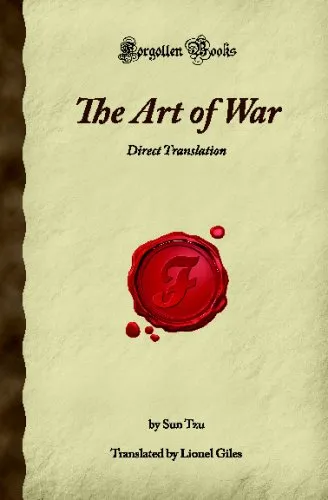
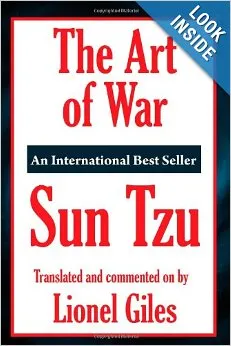
Sun Tzu's "The Art of War," an ancient Chinese military treatise dating back to the 5th century BC, has transcended its original purpose to become a seminal work on strategy and a timeless guide to navigating conflict in all its forms. Its enduring relevance lies in its profound insights into human nature, competition, and the art of achieving objectives with minimal cost. While its origins are rooted in the battlefield, its principles have found fertile ground in the worlds of business, politics, sports, and even personal development, making it a compelling read for anyone seeking to understand the dynamics of power and influence.
Core Principles: The Essence of Strategic Thinking
At its heart, "The Art of War" is a treatise on the importance of preparation, knowledge, and deception. Sun Tzu emphasizes that the ultimate victory is one achieved without direct confrontation. This is encapsulated in one of his most famous dictums: "The supreme art of war is to subdue the enemy without fighting." This philosophy permeates the thirteen chapters of the book, each dedicated to a different facet of warfare.
Key themes that resonate throughout the text include:
The Importance of Planning and Calculation: Sun Tzu stresses the necessity of meticulous planning and assessment before engaging in any conflict. He introduces five fundamental factors for consideration: The Way (moral influence), Heaven (weather and timing), Earth (terrain), the Commander (leadership), and Method and discipline. A thorough analysis of these elements, he argues, can determine the outcome of a battle before it even begins.
Know Yourself and Know Your Enemy: Perhaps the most quoted principle, "If you know the enemy and know yourself, you need not fear the result of a hundred battles," underscores the critical role of intelligence. Understanding one's own strengths and weaknesses, as well as those of an opponent, is paramount to successful strategy.
The Art of Deception: Sun Tzu posits that "all warfare is based on deception." He advocates for misleading the enemy about one's intentions, capabilities, and position to gain a tactical advantage. This can involve feigning weakness when strong, creating diversions, and striking when and where least expected.
Adaptability and Flexibility: The treatise emphasizes the need to be fluid and adaptable, like water, which takes the shape of its container. Rigid plans and tactics are discouraged in favor of responding to the ever-changing circumstances of the battlefield.
Historical Context and Enduring Legacy
"The Art of War" is traditionally attributed to Sun Wu, a military strategist who served the state of Wu during the tumultuous Spring and Autumn Period of ancient China. This was an era of constant warfare among competing states, which provided a fertile ground for the development of sophisticated military thought. The text is not merely a collection of battlefield tactics but also a reflection of Taoist philosophy, emphasizing harmony, balance, and the path of least resistance.
Its influence has been vast and long-lasting. For centuries, it was a foundational text for military strategists in East Asia. In the modern era, its wisdom has been embraced by leaders across various domains. Military figures like Napoleon and Mao Zedong are said to have studied its teachings. In the corporate world, executives apply its principles to gain a competitive edge in the marketplace, viewing business as a strategic landscape of opportunities and threats.
Modern Applications and Critical Perspectives
The true testament to the power of "The Art of War" is its applicability to contemporary challenges. In business, concepts like understanding the competitive landscape, exploiting market weaknesses, and the importance of a strong company culture directly mirror Sun Tzu's teachings. In politics and diplomacy, the emphasis on alliances, negotiation, and achieving goals without resorting to open conflict remains a cornerstone of international relations.
However, the text is not without its critics. Some argue that the direct application of its principles, particularly those related to deception and aggression, can be ethically problematic in non-military contexts. The metaphor of "war" in business, for instance, can foster a cutthroat environment that prioritizes winning at all costs over collaboration and ethical conduct. It is crucial, therefore, to interpret Sun Tzu's wisdom through a modern ethical lens, adapting its strategies to foster constructive and sustainable outcomes.
Final Verdict
"The Art of War" is far more than a manual for military commanders; it is a profound exploration of strategy, psychology, and leadership. Its concise and aphoristic style makes it an accessible yet deeply insightful read. While its core context is the battlefield, its lessons on preparation, understanding the competitive environment, and the importance of adaptability are universal. For anyone in a leadership position or simply seeking to navigate the complexities of life with greater strategic acumen, Sun Tzu's ancient masterpiece remains an indispensable guide. It is a powerful reminder that the most effective way to win a conflict is often to avoid it altogether.