
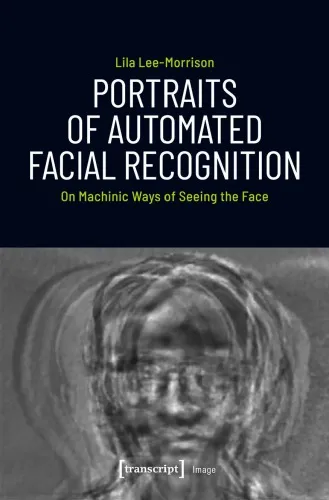
Portraits of Automated Facial Recognition: On Machinic Ways Of Seeing The Face
Lila Lee-Morrison
2019
View book
Book guide and evaluation
Giedrė Jankevičiūtė (editor);Rasutė Žukienė (editor);Vejas Gabriel Liulevicius (editor)
0 reviews
Published
pages
views
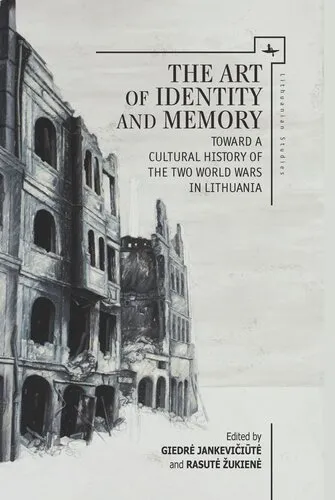
Introduction to "The Art of Identity and Memory: Toward a Cultural History of the Two World Wars in Lithuania" This seminal work delves into the complex and profound effects of the Two World Wars on Lithuanian identity and memory. Unpacking the cultural history of Lithuania du
Before you read
This seminal work delves into the complex and profound effects of the Two World Wars on Lithuanian identity and memory. Unpacking the cultural history of Lithuania during these tumultuous periods, the book unravels the intricate interplay between art, history, and nationalism.
The book "The Art of Identity and Memory: Toward a Cultural History of the Two World Wars in Lithuania" explores how the profound global conflicts of the 20th century impacted the small yet culturally rich nation of Lithuania. With contributions from esteemed historians and experts, this anthology examines how art in its various forms—visual arts, literature, and public monuments—played a critical role in shaping and expressing national identity during and after the wars.
The authors Giedrė Jankevičiūtė, Rasutė Žukienė, and Vejas Gabriel Liulevicius bring together a poignant collection of essays that address different dimensions of Lithuania's cultural transformations. From the emergence of modernist art movements to the complex narratives crafted through war memorials, this book provides a comprehensive analysis of Lithuanian cultural life in the shadow of war.
Addressing the deep-seated impacts of occupation, resistance, and the shifting narratives of autonomy and identity, the book covers the period before, during, and after both World Wars, highlighting the resilience and creativity of the Lithuanian people in times of adversity.
"In the face of war's destruction, art becomes both a refuge and a weapon—preserving identity while challenging the forces that seek to erase it."
"Lithuania’s cultural memory is carved into the stone of its monuments and painted in the vivid colors of its artists’ canvases, testament to a people’s resilience."
This book is a critical academic resource and an essential read for anyone interested in understanding the dynamics of national identity formation through and in the aftermath of major conflicts. By focusing on Lithuania—a nation often less represented in Western-centric narratives of the World Wars—the book provides fresh perspectives and a richer, more nuanced understanding of European history.
The scholarship presented within its pages not only offers insights into the specific experiences of Lithuania but also contributes to broader discourses on the role of culture in wartime and the lasting impacts of historical trauma on national consciousness. By bridging art history and cultural studies, "The Art of Identity and Memory" stands as a testament to the indomitable spirit of cultural resilience.
Your question is answered in the context of this title and author. Each answer uses 2 points.
0 reviews, 4.7 average out of 5
Sign in to publish a review.
Ask a focused question and learn from the community.
Related references that continue this learning path.
Lila Lee-Morrison
David L. Hoffmann