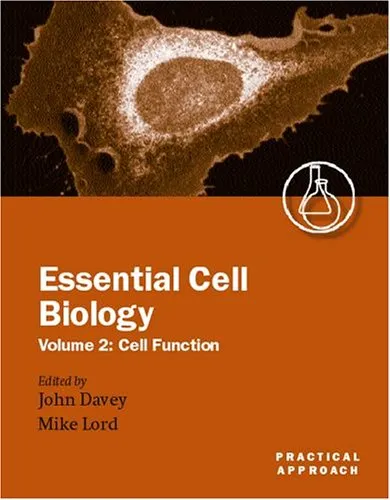
Essential Cell Biology: A Practical Approach Volume 2: Cell Function (Practical Approach Series, 262, etc.)
John Davey,J. Michael Lord
2003
View book
Book guide and evaluation
Kathleen Verville
0 reviews
Published
pages
views
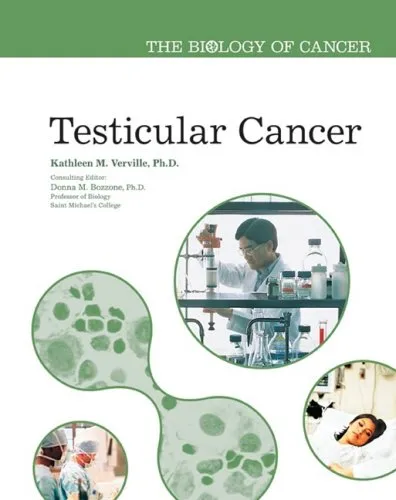
Testicular Cancer (The Biology of Cancer) oncologic research, urologic oncology A detailed exploration of Testicular Cancer (The Biology of Cancer) assessing biology, diagnosis, and treatment pathways. Analytical Summary Testicular Cancer (The Biology of Cancer) offers a co
Before you read
Testicular Cancer (The Biology of Cancer) offers a comprehensive and scientifically grounded examination of one of the most treatable, yet complex, malignancies affecting men worldwide. Written with precision and clarity, the book bridges the gap between high-level biomedical research and practical clinical application, making it an essential resource for oncologists, medical students, researchers, and healthcare policymakers.
The text delves deeply into the epidemiology, molecular biology, and pathophysiology of testicular cancer, mapping out the intricate pathways from genetic predisposition through tumor development and progression. By unpacking these processes, it empowers healthcare professionals to better recognize subtle diagnostic cues and formulate effective, evidence-based treatment plans.
The narrative addresses both seminomatous and non-seminomatous germ cell tumors, outlining histological differences, biomarker usage, surgical interventions, and evolving chemotherapeutic regimens. Rather than presenting merely a static collection of facts, the book frames current understanding within the dynamic context of ongoing research, thereby highlighting areas of active investigation.
Where verifiable, statistics on incidence, survival rates, and recurrence are carefully integrated, offering readers a factual foundation without speculation. Where precise details, such as specific publication year or awards, are unavailable due to the lack of reliable public sources, the omission is clarified to maintain scholarly integrity.
The book distills complex oncologic mechanisms and patient care principles into digestible, applicable insights that serve both academic and clinical audiences.
Readers gain a multi-layered understanding of testicular cancer, from genetic mutations influencing tumor genesis to socioeconomic aspects impacting diagnosis and outcomes.
Clear explanations of diagnostic imaging, serum tumor markers, and surgical staging guide the reader through current best practices, while critical discussions of chemotherapy and radiation therapy outline their roles, limitations, and side effects.
Importantly, Testicular Cancer (The Biology of Cancer) underscores patient-centered care, stressing psychological support for young male patients and the importance of addressing fertility preservation.
"Understanding the biology of testicular cancer is the key to unlocking new, more effective treatments." Unknown
"Successful oncology blends rigorous science with compassionate care for the whole patient." Unknown
"Even highly curable cancers demand continual research to improve quality of life for survivors." Unknown
By presenting the subject through both a molecular lens and a patient-oriented perspective, this work contributes meaningfully to the literature on oncologic research and urologic oncology.
Its relevance extends beyond academic study; it impacts diagnostic protocols, survivorship programs, and public health awareness. The clear, evidence-based explanations allow for seamless integration into medical curricula, while the nuanced discussions invite engagement among seasoned practitioners seeking to refresh or deepen their expertise.
In an era of rapidly evolving biomedical science, resources like Testicular Cancer (The Biology of Cancer) are vital for keeping pace with advances in diagnostic imaging, molecular profiling, and therapeutic targeting.
Testicular Cancer (The Biology of Cancer) stands as both a testament to clinical progress and a call to ongoing inquiry. Its methodical approach offers clarity, its balanced tone fosters trust, and its depth invites meaningful reflection among all those involved in cancer care and research.
For academics, it enriches the evidence base; for practicing clinicians, it delivers actionable insights; and for students, it builds a solid conceptual framework. By engaging with this book, readers contribute to a broader dialogue on improving cancer outcomes through the fusion of rigorous biology and compassionate medicine.
You are invited to read, share, and discuss the insights within Testicular Cancer (The Biology of Cancer), thereby extending its impact from the page to the clinic, the classroom, and the wider world where knowledge can save lives.
Your question is answered in the context of this title and author. Each answer uses 2 points.
0 reviews, 4.3 average out of 5
Sign in to publish a review.
Ask a focused question and learn from the community.
Related references that continue this learning path.
John Davey,J. Michael Lord
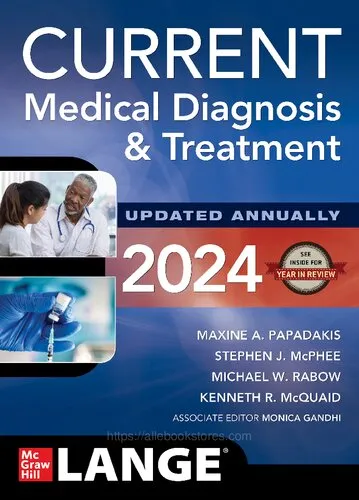
Maxine A. Papadakis (Autor),Stephen J. McPhee (Autor),Michael W. Rabow (Autor),Kenneth R. McQuaid (Autor),Monica Gandhi (Autor)