
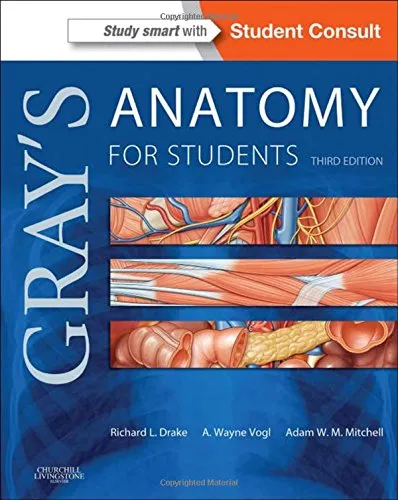
Gray's Anatomy for Students: With STUDENT CONSULT Online Access, 3e
Richard Drake PhD FAAA,A. Wayne Vogl PhD FAAA,Adam W. M. Mitchell MB BS FRCS FRCR
2014
View book
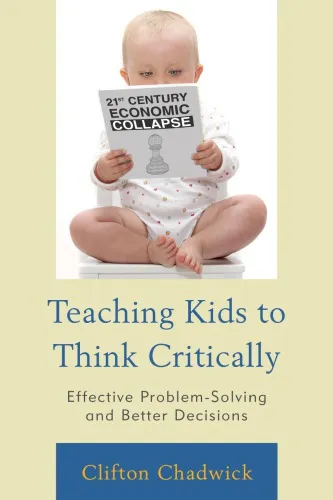
Book guide and evaluation
Clifton Chadwick
0 reviews
Published
pages
views
Introduction In today’s fast-paced and ever-evolving world, the ability to think critically is not just an advantage but a necessity. Education systems across the globe often emphasize rote learning, memorization, and the regurgitation of facts. While those methodologies have
Before you read
In today’s fast-paced and ever-evolving world, the ability to think critically is not just an advantage but a necessity. Education systems across the globe often emphasize rote learning, memorization, and the regurgitation of facts. While those methodologies have their place, they fall short of equipping children with the lifelong skills they need to analyze problems, make sound decisions, and adapt to change. Teaching Kids to Think Critically: Effective Problem-Solving and Better Decisions dives into this very subject, providing parents, educators, and caretakers with the tools and strategies needed to nurture critical thinkers who excel in life's many complexities.
As a comprehensive guide, this book is designed to empower adults to teach children how to approach problems methodically while encouraging creativity, empathy, and logical decision-making. It bridges the gap between theory and practice by providing actionable steps and real-world scenarios that make critical thinking accessible to learners of all ages. Whether you're a parent striving to improve your child’s cognitive skills or an educator aiming to create a more engaging classroom environment, this book serves as your go-to resource.
The book begins by defining critical thinking and its importance in modern life, emphasizing that it goes beyond academic success. It highlights how critical thinking skills are crucial for making ethical decisions, handling professional challenges, and forming meaningful relationships. Through anecdotes, research, and step-by-step guides, readers are introduced to techniques that foster analytical thought in children, helping them question assumptions, evaluate evidence, and solve problems creatively.
The first few chapters focus on understanding the barriers to critical thinking, including cognitive biases, emotional reasoning, and the over-dependence on digital devices. The book then transitions into practical strategies to teach children how to think independently while collaborating effectively with others. Later chapters explore age-appropriate techniques for fostering inquiry, from play-based problem-solving for younger children to structured debate or project-based learning for teens.
The final section of the book is dedicated to real-world application. It includes tailored strategies for different contexts, such as tackling peer pressure, navigating misinformation, and making sound moral choices. The emphasis throughout is on building habits that will stay with children for a lifetime, ensuring they grow into capable, well-rounded adults capable of adapting to an unpredictable world.
"Critical thinking is not about what to think; it is about learning how to think."
"When children learn to question assumptions, they unlock the capacity for creativity and innovation."
"The ultimate goal of education is not to fill young minds with facts but to cultivate the skills to think critically, empathize fully, and act decisively."
In an age where information is abundant but wisdom is in short supply, teaching children how to think critically is more important than ever. This book matters because it transcends traditional education paradigms, reminding educators and parents alike that critical thinking is an essential life skill. By cultivating these skills in the next generation, we prepare them not just to keep up with the world but to contribute meaningfully to it.
Clifton Chadwick’s approach is simple yet powerful: children cannot be expected to thrive in the 21st century using methods designed for previous centuries. With its actionable strategies and grounded perspective, Teaching Kids to Think Critically reshapes how we approach education, ensuring that children are prepared for the intellectual, emotional, and social demands of life. This book is an investment in a future where our kids are thoughtful leaders, responsible citizens, and compassionate human beings.
If you are ready to empower the next generation with the ability to think critically, make sound decisions, and solve problems effectively, this book is your guide.
Your question is answered in the context of this title and author. Each answer uses 2 points.
0 reviews, 4.0 average out of 5
Sign in to publish a review.
Ask a focused question and learn from the community.
Related references that continue this learning path.
Richard Drake PhD FAAA,A. Wayne Vogl PhD FAAA,Adam W. M. Mitchell MB BS FRCS FRCR
Drake, Richard Lee;Mitchell, Adam W. M.;Vogl, Wayne;Gray, Henry
Richard Drake,A. Wayne Vogl,Adam W. M. Mitchell
Richard L. Drake;A. Wayne Vogl;Adam W.M. Mitchell