
The Harriet Lane Handbook, 19th Edition
Johns Hopkins Hospital,Kristin Arcara,Megan Tschudy MD
2011
View book
Book guide and evaluation
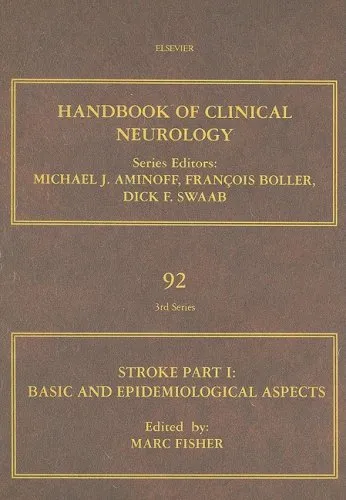
Marc Fisher (Series Editors: Aminoff, BollerandSwaab)
0 reviews
Published
pages
views
Introduction to 'Stroke Part I: Basic and Epidemiological Aspects' Welcome to an insightful exploration of cerebrovascular diseases in 'Stroke Part I: Basic and Epidemiological Aspects', a distinct volume within the esteemed 'Handbook of Clinical Neurology'. This book se
Before you read
Welcome to an insightful exploration of cerebrovascular diseases in 'Stroke Part I: Basic and Epidemiological Aspects', a distinct volume within the esteemed 'Handbook of Clinical Neurology'. This book serves as a foundational resource for both students and professionals in the realm of neurology, offering a comprehensive examination of the multifaceted aspects of stroke.
'Stroke Part I: Basic and Epidemiological Aspects' delves into the fundamental mechanisms underpinning cerebrovascular accidents, widely known as strokes. This essential volume addresses the pathophysiological processes, including ischemia and hemorrhage, which contribute to neurological deficits. The early chapters offer an in-depth understanding of the anatomy and neurophysiology of cerebral circulation, providing readers with the necessary context to appreciate the complexities of stroke pathology.
Beyond the biological and medical discussions, the book also encompasses a thorough analysis of epidemiological trends, highlighting the prevalence, risk factors, and societal impacts of stroke. With meticulous attention to detail, the authors explore how demographic changes and lifestyle factors influence stroke incidence globally. The comprehensive approach of this volume ensures that readers gain not only scientific knowledge but also actionable insights into prevention and management strategies for this prevalent neurological disorder.
"Understanding the basic mechanisms of stroke is crucial in developing effective prevention and therapeutic strategies."
"Epidemiological studies provide us with the blueprint to tackle stroke as a major public health concern in various populations."
Stroke continues to be one of the leading causes of morbidity and mortality worldwide. Addressing this critical health issue necessitates a robust understanding of both the biological underpinnings and the broader epidemiological trends influencing stroke. 'Stroke Part I: Basic and Epidemiological Aspects' plays a vital role in bridging these domains, offering a comprehensive perspective that is invaluable for clinicians, researchers, and healthcare policymakers.
By equipping readers with detailed, evidence-based insights, this book not only enriches the academic understanding of strokes but also informs practical approaches to effectively manage and prevent this condition. It stands out as a pivotal educational tool that underscores the importance of interdisciplinary approaches in tackling complex health challenges.
Your question is answered in the context of this title and author. Each answer uses 2 points.
0 reviews, 4.5 average out of 5
Sign in to publish a review.
Ask a focused question and learn from the community.
Related references that continue this learning path.
Johns Hopkins Hospital,Kristin Arcara,Megan Tschudy MD