Book guide and evaluation
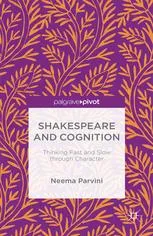
Shakespeare and Cognition: Thinking Fast and Slow through Character
Neema Parvini (auth.)
English
Intermediate
Personal Development
4.7 / 5
0 reviews
2015
Published
86
pages
554
views
Introduction Welcome to "Shakespeare and Cognition: Thinking Fast and Slow through Character," a compelling exploration into the cognitive dimensions of Shakespeare's characters that enriches our understanding of his plays. Authored by Neema Parvini, this work intricately
Before you read
What will you get from this book?
Introduction
Welcome to "Shakespeare and Cognition: Thinking Fast and Slow through Character," a compelling exploration into the cognitive dimensions of Shakespeare's characters that enriches our understanding of his plays. Authored by Neema Parvini, this work intricately intertwines modern cognitive science with classic literature, offering novel insights into some of literature's most enduring characters.
Detailed Summary of the Book
In "Shakespeare and Cognition," Neema Parvini delves into the intricate ways in which William Shakespeare's characters reflect real cognitive processes. The book draws on cognitive science to explore how Shakespeare's characters think, make decisions, and interact with the world around them. Parvini leverages the dual-process theory of cognition, famously known from Daniel Kahneman's "Thinking, Fast and Slow." This theory distinguishes between fast, intuitive thought and slow, deliberate thought.
The book examines how these modes of thinking manifest in Shakespeare's plays. For example, Parvini analyzes how Macbeth’s impulsive decisions contrast with Hamlet's prolonged indecision. He also considers how cognitive biases affect characters' judgments, highlighting the universality of these biases both in Shakespeare's time and today. Through this approach, Parvini reveals how Shakespeare anticipates modern psychological insights, and by harnessing cognitive theory, he brings fresh perspectives to well-trodden literary criticism.
Key Takeaways
- Integration of Literature and Science: Parvini's work demonstrates how cognitive science can breathe new life into literary analysis.
- Character Analysis: The book offers a deeper understanding of well-known Shakespearean characters by examining their cognitive processes and decision-making patterns.
- Cognitive Biases: Readers learn about various cognitive biases through the lens of Shakespeare's characters, making these scientific concepts more relatable and memorable.
- Universal Themes: The exploration underscores the timelessness of Shakespeare's work, as it aligns with modern theories of the mind.
Famous Quotes from the Book
"Shakespeare's insight into the workings of the human mind places him far ahead of his time, navigating the very cognitive terrains that modern science only now begins to chart."
"In the play of cognition, Shakespeare’s characters are both actors and audience, revealing the complexities of the human psyche in action."
"Through a cognitive lens, Macbeth’s vaulting ambition and Hamlet’s paralyzing contemplation serve as studies in the duality of thought."
Why This Book Matters
This book stands at the crossroads of literary criticism and cognitive science, breaking new scholarly ground. By providing a cognitive framework for understanding Shakespeare’s characters, Parvini not only enriches our appreciation of the Bard’s work but also offers tools for examining literature through a scientific lens. This approach allows both students and scholars to engage with Shakespeare in innovative ways, making classic texts newly relevant in a modern context.
Furthermore, by illustrating the cognitive processes and biases of Shakespeare's characters, Parvini reinforces the idea that literature can be an insightful guide into human nature. This makes "Shakespeare and Cognition" a pivotal read for anyone interested in the intersections between literature, psychology, and philosophy.
Ask this book
Your question is answered in the context of this title and author. Each answer uses 2 points.
Sign in to ask the book assistant.
Reader reviews
0 reviews, 4.7 average out of 5
No reviews yet
If you have read this book, help the next reader with your experience.
Write a review
Sign in to publish a review.
Reader questions and answers
Ask a focused question and learn from the community.
Sign in to ask or answer a question.
No questions yet
Be the first to ask a clear, useful question.
What to read next
Related references that continue this learning path.