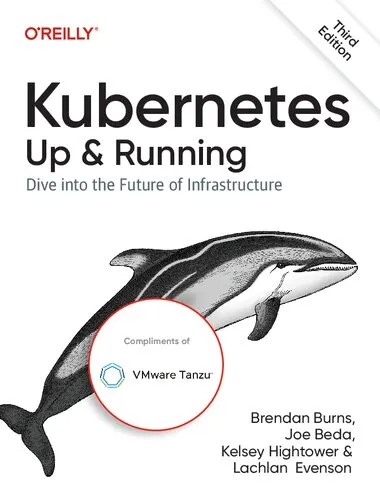
Kubernetes Up & Running: Dive into the Future of Infrastructure
Brendan Burns, Joe Beda, Kelsey Hightower &Lachlan Evenson
2022
View book
Book guide and evaluation
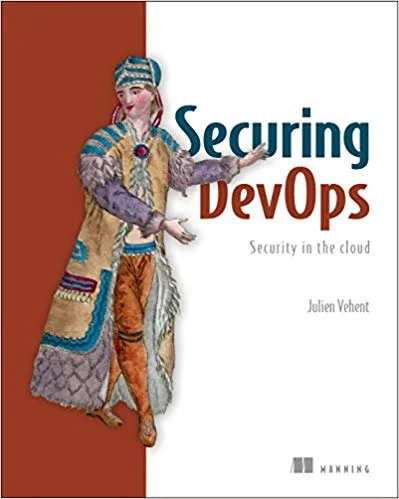
Julien Vehent
0 reviews
Published
pages
views
Introduction to 'Securing DevOps: Safe Services in the Cloud' The modern world thrives on cloud-based services, yet with innovation comes risk—a fact increasingly evident in the world of DevOps. In my book, Securing DevOps: Safe Services in the Cloud, I explore the inter
Before you read
The modern world thrives on cloud-based services, yet with innovation comes risk—a fact increasingly evident in the world of DevOps. In my book, Securing DevOps: Safe Services in the Cloud, I explore the intersection of security, development, and operations to help software engineers, security practitioners, and DevOps teams build secure, scalable applications. This comprehensive guide combines technical insights with practical strategies, making it an essential resource for anyone responsible for safeguarding modern cloud-driven systems.
Over the past decade, DevOps has revolutionized how software is developed, integrated, and delivered. However, as organizations embrace rapid deployment cycles and dynamic infrastructures, securing these environments has become a significant challenge. Securing DevOps addresses this need by diving deep into the security considerations that accompany this transformative development model. Throughout the chapters, I present actionable techniques to tackle real-world security challenges associated with DevOps workflows while prioritizing agility, automation, and collaboration.
Securing DevOps: Safe Services in the Cloud walks you through the end-to-end lifecycle of securing modern applications. The book is divided into multiple comprehensive sections that tackle vital concepts and tools:
Each chapter is designed to be actionable and interconnected, encouraging readers to think holistically while designing both infrastructure and operational practices. Real-world examples and case studies anchor the technical content, providing insight into how principles and practices are applied in actual organizational environments.
By the end of Securing DevOps, readers will walk away equipped with the following:
“Security doesn’t have to come at the expense of agility. When implemented the right way, security practices enhance, rather than obstruct, your ability to deliver value to users.”
“Automation is the key to integrating security into DevOps—it eliminates error-prone manual processes while improving consistency and reliability.”
“Secrets, certificates, and credentials are the crown jewels of your infrastructure. Protect them as though your system depends on it—because it does.”
These quotes capture the ethos of the book: security is not an afterthought but a fundamental enabler of safe, scalable systems.
Securing DevOps stands out in the crowded field of DevOps literature because it harmonizes the often competing priorities of agility and security. As organizations continue to prioritize digital transformation, cloud adoption, and modern development practices, there’s an urgent need to address vulnerabilities that arise from these shifts.
The reality is that attackers are adapting to the dynamic nature of technology just as quickly as we are innovating it. This book arms practitioners with the tools and mindset to remain one step ahead—securing not just workloads but also processes, methodologies, and teams from a cultural perspective. Whether you are building a CI/CD pipeline, launching containerized microservices in the cloud, or designing a robust monitoring framework, this book provides the technical foundation and strategic guidance necessary for success.
In summary, this book is for anyone who champions security in an ever-evolving DevOps arena. It doesn’t just teach principles and practices—it inspires a culture of continuous improvement, collaboration, and responsible service delivery.
Your question is answered in the context of this title and author. Each answer uses 2 points.
0 reviews, 4.7 average out of 5
Sign in to publish a review.
Ask a focused question and learn from the community.
Related references that continue this learning path.
Brendan Burns, Joe Beda, Kelsey Hightower &Lachlan Evenson