Book guide and evaluation
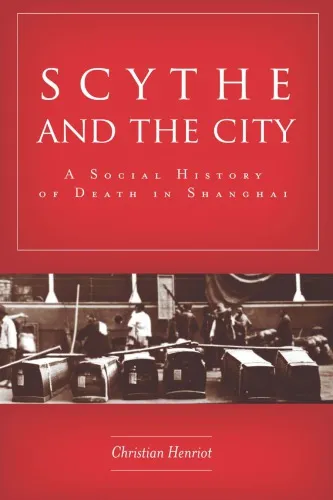
Scythe and the City: A Social History of Death in Shanghai
Christian Henriot
English
Intermediate
novel
4.3 / 5
0 reviews
2016
Published
497
pages
587
views
Welcome to an intricate exploration of a largely understudied yet profoundly important aspect of urban history and sociology: the experience and management of death in the bustling metropolis of Shanghai. In "Scythe and the City: A Social History of Death in Shanghai," I strive
Before you read
What will you get from this book?
Welcome to an intricate exploration of a largely understudied yet profoundly important aspect of urban history and sociology: the experience and management of death in the bustling metropolis of Shanghai. In "Scythe and the City: A Social History of Death in Shanghai," I strive to deliver insightful narratives woven through time, showing how death has shaped the social and cultural frameworks of one of the most influential cities in the world.
Detailed Summary of the Book
The book takes you through the layered history of death in Shanghai, beginning from the late nineteenth century up to the contemporary period. It posits that studying death provides a unique perspective on the broader urban and social transformations Shanghai has undergone. Each chapter delves into distinct eras and dimensions of the city’s evolution, examining how mortality rates, burial practices, and social attitudes towards death reflect and influence changes in society. By focusing on archival research, personal narratives, and societal shifts, "Scythe and the City" uncovers the profound interconnectedness of death with migration, the economy, cultural norms, and technological advancements.
Key Takeaways
- The Interplay between Death and Urbanization: Learn how rapid industrialization and urbanization in Shanghai created pressing challenges and opportunities related to managing death and the dead.
- Impact of Politics on Death Practices: Discover how different political regimes left their imprint on death practices, from colonial powers to communist ideologies shaping the city's policies on burial and commemoration.
- Cultural Transformation: Understand the shift in cultural attitudes towards death and mourning, as Western influences met traditional Chinese practices.
- Innovation and Adaptation: Explore how the city’s innovations, such as public health initiatives and infrastructural developments, have addressed the timeless challenges of mortality.
Famous Quotes from the Book
"Death in Shanghai was not merely an end of life, but a reflection of the living city's struggle to negotiate its space, identity, and future."
"In the silence of cemeteries, one can hear the echoes of Shanghai's past, whispering tales of love, loss, and resilience."
Why This Book Matters
"Scythe and the City" matters because it sheds light on a vital yet often overlooked facet of urban history. As cities around the world continue to grow and evolve, understanding how they have historically dealt with death enriches our comprehension of their past and informs sustainable urban planning for the future. This book speaks to historians, urban planners, sociologists, and anyone interested in the complexities of city life and development. By emphasizing the universal experience of death, it encourages readers to rethink the social constructs that influence our perceptions and approaches to mortality in an urban context.
Ask this book
Your question is answered in the context of this title and author. Each answer uses 2 points.
Sign in to ask the book assistant.
Reader reviews
0 reviews, 4.3 average out of 5
No reviews yet
If you have read this book, help the next reader with your experience.
Write a review
Sign in to publish a review.
Reader questions and answers
Ask a focused question and learn from the community.
Sign in to ask or answer a question.
No questions yet
Be the first to ask a clear, useful question.
What to read next
Related references that continue this learning path.