Book guide and evaluation
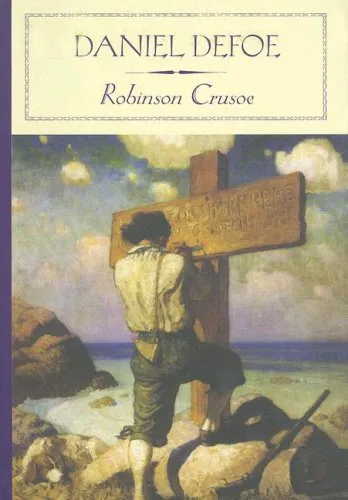
Robinson Crusoe
Daniel Defoe,Thomas Keymer,James Kelly
English
Intermediate
novel
4.5 / 5
0 reviews
2009
Published
362
pages
634
views
Introduction to 'Robinson Crusoe' Published in 1719, 'Robinson Crusoe' by Daniel Defoe is a landmark work in English literature. Often considered one of the first English novels, it tells the gripping story of a man's survival against the odds on an uninhabited island. The nov
Before you read
What will you get from this book?
Introduction to 'Robinson Crusoe'
Published in 1719, 'Robinson Crusoe' by Daniel Defoe is a landmark work in English literature. Often considered one of the first English novels, it tells the gripping story of a man's survival against the odds on an uninhabited island. The novel reflects themes of adventure, resilience, and human ingenuity, while also exploring issues of colonialism and personal redemption.
Detailed Summary
Robinson Crusoe is the tale of an Englishman whose sea-bound adventures lead him to an unexpected solitude. Born in York, Crusoe yearns for a life at sea despite his family's objections. His initial ventures into maritime exploration bring modest success but also countless challenges, including captivity by pirates and shipwrecks.
The narrative takes a dramatic turn when Crusoe is shipwrecked on a deserted island near the Orinoco River. Alone and desperate, Crusoe first battles despair but soon embarks on a personal quest for survival. He builds shelter, cultivates food, and fashions tools from the remnants of the shipwreck, demonstrating remarkable self-sufficiency over the twenty-eight years he spends on the island.
During his isolation, Crusoe also undergoes profound personal growth. He turns to religion for solace, developing a deep sense of faith. His life takes yet another turn with the arrival of "Friday," a native man Crusoe rescues and who becomes a companion, providing a stirring depiction of the dynamics between colonizer and colonized.
Key Takeaways
- The human spirit is immensely resilient and adaptable in the face of adversity.
- Isolation can lead to introspection and personal growth.
- The story reflects the complexities of colonial attitudes during Defoe's time.
- Faith and providence are central themes that guide Crusoe’s journey.
Famous Quotes
"It is never too late to be wise."
"All our discontents about what we want appeared to me to spring from the want of thankfulness for what we have."
Why This Book Matters
Robinson Crusoe stands as a pioneering work in the English novel tradition, blending adventure and moral introspection. Its exploration of themes such as survival, self-reliance, and cultural encounters marked a departure from the episodic romances of its time, ushering in a new narrative form centered on individual experience.
The book remains relevant today for its early engagement with themes of empire and cultural hegemony, prompting readers to reflect on the legacy of colonialism. Yet, it also speaks universally to the resilience of the human spirit, making it an enduring story of perseverance and hope.
Robinson Crusoe's impact is evidenced by its influence across literature and popular culture, establishing archetypes of the castaway narrative and leaving a lasting imprint on the literary landscape.
Ask this book
Your question is answered in the context of this title and author. Each answer uses 2 points.
Sign in to ask the book assistant.
Reader reviews
0 reviews, 4.5 average out of 5
No reviews yet
If you have read this book, help the next reader with your experience.
Write a review
Sign in to publish a review.
Reader questions and answers
Ask a focused question and learn from the community.
Sign in to ask or answer a question.
No questions yet
Be the first to ask a clear, useful question.
What to read next
Related references that continue this learning path.