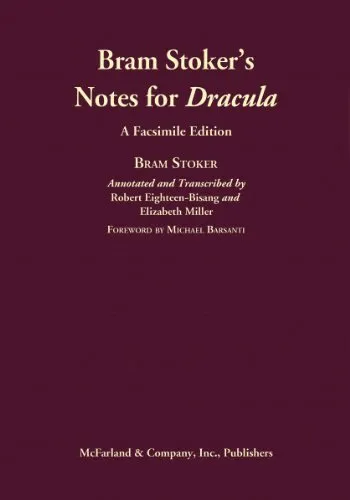
Bram Stoker's Notes for Dracula: A Facsimile Edition
Robert Eighteen-Bisang,Elizabeth Miller
2008
View book
Book guide and evaluation
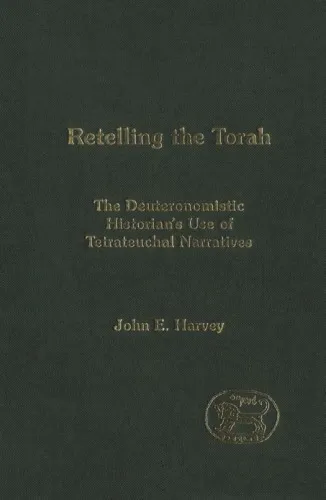
John E. Harvey
0 reviews
Published
pages
views
Welcome to the detailed introduction of Retelling the Torah: The Deuternonmistic Historian's Use of Tetrateuchal Narratives, a compelling exploration of biblical compositions and their historical implications within the context of the Deuteronomistic history. As part of the J
Before you read
Welcome to the detailed introduction of Retelling the Torah: The Deuternonmistic Historian's Use of Tetrateuchal Narratives, a compelling exploration of biblical compositions and their historical implications within the context of the Deuteronomistic history. As part of the JSOT Supplement Series, this book seeks to illuminate the intricate relationship between ancient narratives and their theological reinterpretations.
The book delves into the complex layers of the Deuteronomistic history, focusing on how the narratives within the Tetrateuch—the first four books of the Bible—are retold and adapted. By examining the retelling process, the book aims to uncover the intentions and methods of the Deuteronomistic historians. These ancient authors were not merely transcribers of oral traditions but were actively engaged in crafting narratives that reflected their theological visions. This meticulous study highlights the dynamic interplay between text and interpretation, revealing how narratives were reshaped to address the social and religious issues of the time.
John E. Harvey employs a critical approach, utilizing textual analysis to sift through layers of redaction, and uncover the agendas that informed the historical writings. The book also contrasts the historical facts with the theological constructs, providing readers with a nuanced understanding of how sacred history is crafted. Through a detailed examination of specific narratives like the Exodus and the Covenant at Sinai, Harvey elucidates the narrative strategies and thematic developments employed by these historians.
"The task of the historian is not only to relay facts but to imbue those facts with meaning that resonates through the ages."
"In the nexus of story and history, the Deuteronomistic historians forged a unique tapestry that speaks both to their present and to our enduring search for divine context."
The significance of "Retelling the Torah" lies in its thorough examination of how the foundational texts of the Hebrew Bible were shaped and reshaped to serve the needs of their audiences. This work is crucial for scholars and lay readers interested in the historical and theological contexts of biblical texts. By providing insights into the minds and methods of ancient narrators, the book aids in understanding how religious beliefs are transmitted and reimagined over time. Additionally, it encourages modern readers to reflect on their interpretations of historical texts, offering a broader scope of understanding in the realm of biblical studies.
In a world where history and belief often intersect in complex ways, this book offers valuable lessons on the importance of critical engagement with sacred texts. Its scholarly yet accessible approach ensures that it serves as an essential resource for anyone wishing to deepen their understanding of biblical narratives and their lasting impact on faith and culture.
Your question is answered in the context of this title and author. Each answer uses 2 points.
0 reviews, 4.3 average out of 5
Sign in to publish a review.
Ask a focused question and learn from the community.
Related references that continue this learning path.
Robert Eighteen-Bisang,Elizabeth Miller