
ramin neynava
2024/03/06
5 / 5
Awesome
RefHub featured
Book guide and evaluation
Matt Eland
2 reviews
Published
pages
views
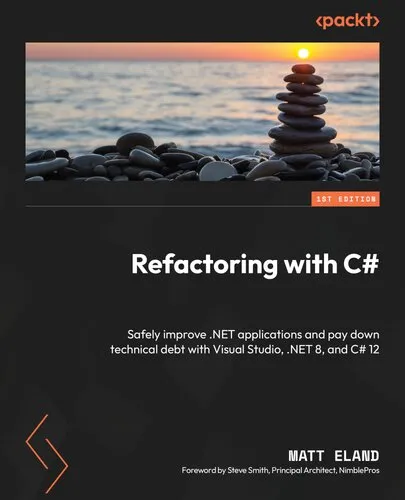
Introduction to Refactoring with C "Refactoring with C" takes you on a comprehensive journey through the art and science of enhancing existing C code. While the primary goal of software development is to deliver functional and reliable software, maintaining and improving that
Before you read
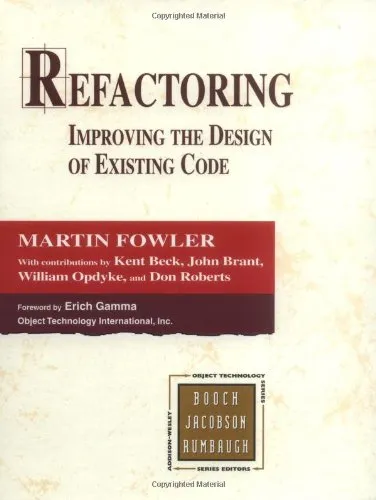
"Refactoring with C" takes you on a comprehensive journey through the art and science of enhancing existing C code. While the primary goal of software development is to deliver functional and reliable software, maintaining and improving that software often demands a process called refactoring. This book is crafted for developers, software engineers, and anyone invested in the pursuit of clean, efficient code. As you delve into the book, you'll uncover methodologies, best practices, and practical examples of how to refactor C code effectively.
Throughout "Refactoring with C," the author provides a rich tapestry of insights into the various facets of code refactoring. Beginning with foundational principles, the book introduces readers to the philosophy behind refactoring—emphasizing the importance of maintaining code readability and performance without altering external behavior.
The book is divided into sections that methodically unravel the complexities associated with refactoring C code. It kicks off with diagnostic techniques, helping readers identify smelly code patterns that cry out for improvement. Each chapter builds upon this knowledge, providing tools and strategies to tackle these issues.
Detailed examples are presented to illustrate common problems and their solutions, covering areas such as simplifying complex conditionals, breaking down huge functions, and improving variable handling. The book also explores the integration of unit tests within the refactoring process to safeguard against unintentional behavior alterations.
As the journey unfolds, readers will gain insight into advanced topics, including memory optimization, algorithm refinement, and leveraging design patterns to achieve modular, scalable solutions. The final chapters focus on maintaining refactoring habits in team settings and ensuring that codebase evolutions align with long-term project goals and architectures.
"Code is like humor. When you have to explain it, it’s bad."
"Refactoring isn't about perfection. It's a relentless journey toward clarity."
In the rapidly evolving realm of software development, code that was once deemed efficient can quickly become outdated. "Refactoring with C" bridges the gap between legacy code maintenance and modern software development practices. Its importance lies in demystifying the process of code improvement, making it accessible to both novice and experienced programmers.
The book emphasizes a proactive approach to software design, promoting a culture of continuous improvement. By embedding refactoring within the software development lifecycle, developers not only enhance the quality and maintainability of their code but also extend the lifespan of their applications, resulting in significant cost savings and improved user satisfaction.
Ultimately, "Refactoring with C" represents a vital resource for any developer committed to mastering the craft of clean code. It is a comprehensive guide that empowers readers to embrace change, focus on quality, and contribute efficaciously to their teams and projects.
Persian Summary
Your question is answered in the context of this title and author. Each answer uses 2 points.
2 reviews, 5.0 average out of 5
2024/03/06
5 / 5
Awesome
2025/03/12
5 / 5
Excellent book for .Net developers
Sign in to publish a review.
Ask a focused question and learn from the community.
Related references that continue this learning path.
Erich Gamma,Richard Helm,Ralph Johnson,John M. Vlissides
Martin Fowler,Kent Beck,John Brant,William Opdyke,Don Roberts