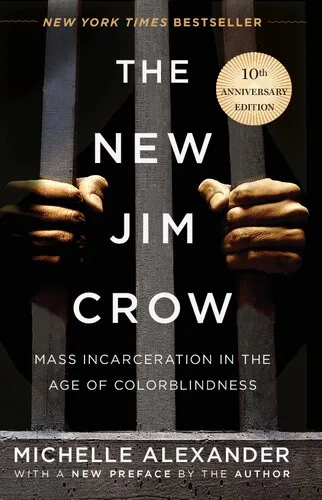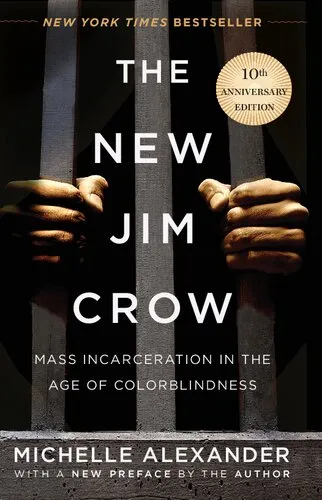
The new Jim Crow : mass incarceration in the age of colorblindness
Alexander,Michelle
2010
View book
Book guide and evaluation
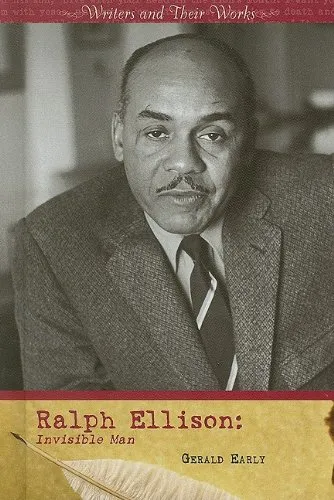
Gerald Early
0 reviews
Published
pages
views
Introduction to 'Ralph Ellison: Invisible Man' Ralph Ellison's groundbreaking novel, "Invisible Man," first published in 1952, has remained a vibrant and resonant exploration of identity, invisibility, and resistance within the American social and cultural landscape. Geral
Before you read
Ralph Ellison's groundbreaking novel, "Invisible Man," first published in 1952, has remained a vibrant and resonant exploration of identity, invisibility, and resistance within the American social and cultural landscape. Gerald Early's exploration of this seminal work offers a profound and insightful dive into its rich narrative, thematic complexities, and enduring influence. In the following sections, we explore the intricate layers of the book, famous quotes, key takeaways, and the significance of Ellison's masterpiece in contemporary discourse.
"Ralph Ellison: Invisible Man" is a profound commentary on the African American experience, identity formation, and social invisibility. The novel's protagonist, an unnamed African American man, narrates his quest for personal identity amidst the oppressive forces of racism and societal expectation. Through a series of vignettes, we experience his journey from the South to Harlem, encountering various groups symbolizing broader cultural and political trends.
Ellison intricately weaves themes of race, power, and individuality, delineating how these forces intersect within the protagonist's life. The unnamed narrator, while searching for self-definition, confronts both overt acts of racism and the subtle oppression of stereotypes. As he delves deeper into the complexities of social structures, he gradually realizes that true identity and visibility come from self-awareness and personal affirmation.
The novel is renowned for Ellison's masterful use of symbolism and metaphor, notably through the protagonist's assertion of being "invisible" because of the societal refusal to see him beyond racial stereotypes. With an eloquent and evocative style, Ellison challenges readers to question their perceptions of race and individuality and to recognize the invisible societal forces that shape identity.
"Ralph Ellison: Invisible Man" is more than just a novel; it is a powerful social critique and a timeless exploration of identity. It matters because it confronts foundational and persistent challenges of racial and personal identity in America. Ellison's work remains relevant as it urges each generation to confront their beliefs and societal structures. By probing the intricate relationship between individual and society, Ellison's novel continues to inspire dialogue and reflection on racial politics and identity formation.
In a world still grappling with issues of race, equality, and social justice, the narrative is a crucial reminder of literature's capacity to inform, transform, and provoke enduring conversation about humanity's deepest issues.
Your question is answered in the context of this title and author. Each answer uses 2 points.
0 reviews, 3.9 average out of 5
Sign in to publish a review.
Ask a focused question and learn from the community.
Related references that continue this learning path.
Alexander,Michelle