Discriminative Stimulus Properties of Drugs
Albert Weissman (auth.),Harbans Lal (eds.)
1977
View book
Book guide and evaluation
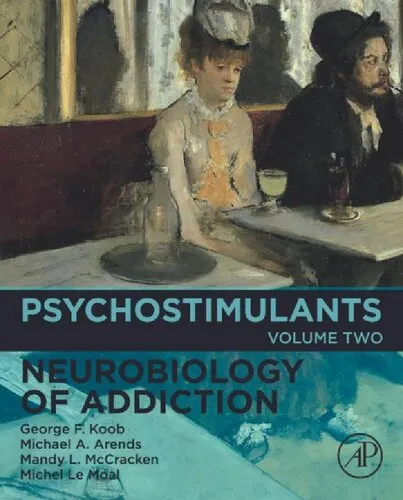
George F. Koob PhD,Michael A. Arends B.S.,Mandy L. McCracken PhD,Michel Le Moal MD
0 reviews
Published
pages
views
Introduction to "Psychostimulants (Volume 2)" Welcome to Psychostimulants (Volume 2), the second volume in the Neurobiology of Addiction Series, authored by an esteemed team of scientists and researchers: George F. Koob, PhD, Michael A. Arends, B.S., Mandy L. McCracken, Ph
Before you read
Welcome to Psychostimulants (Volume 2), the second volume in the Neurobiology of Addiction Series, authored by an esteemed team of scientists and researchers: George F. Koob, PhD, Michael A. Arends, B.S., Mandy L. McCracken, PhD, and Michel Le Moal, MD. This book dives profoundly into the world of psychostimulants, offering a comprehensive exploration of their neurobiological impact, complex mechanisms, and their role in addiction. With an interdisciplinary approach combining neuroscience, psychology, and clinical research, this volume is an invaluable resource for academics, clinicians, students, and anyone seeking to understand the intricate nuances of substance use disorders related to psychostimulants.
Building upon the solid foundation set in Volume 1 of the Neurobiology of Addiction Series, this second volume is tailored to provide a detailed examination of psychostimulants such as cocaine, amphetamines, and similar agents. It elucidates the profound effects these substances have on the brain and behavior while addressing critical topics like reward systems, dependency, withdrawal, and lasting brain changes. Through in-depth analyses, the book strives to bridge the gap between experimental findings and their clinical significance.
This volume delves into the scientific foundations of psychostimulant addiction by unraveling how these drugs influence the intricate neurochemical pathways of the brain, especially the dopamine system. By methodically discussing their pharmacological effects and subsequent behavioral consequences, the book explains how psychostimulants create a cycle of reward, reinforcement, and eventual addiction. Chapters are organized to offer an orderly treatment of critical themes, such as:
With rigorous attention to both preclinical research and clinical applications, Psychostimulants (Volume 2) emphasizes the importance of neuroplasticity, genetic predisposition, and environmental factors in understanding addiction. Practical discussions around prevention, harm reduction, and treatment strategies make this book both scientifically robust and clinically relevant.
Psychostimulants (Volume 2) offers numerous insights into the complex interaction between psychostimulants and the brain. Here are the key takeaways from the book:
The authors have masterfully articulated complex concepts with thought-provoking clarity. Some memorable quotes from the book include:
"Addiction is not a moral failing, but a chronic, relapsing disorder of the brain that requires science-driven solutions."
"Psychostimulants act as a double-edged sword—offering temporary euphoria while secretly altering the brain's framework for self-regulation and reward."
The significance of Psychostimulants (Volume 2) lies in its profound ability to deliver a comprehensive and accessible understanding of one of the most pressing public health concerns—addiction to psychostimulants. By offering an in-depth exploration of the neurobiology underlying substance use disorders, the book empowers its readers to think critically about the interplay between brain chemistry, behavior, and societal impact.
This volume is indispensable for professionals in addiction research and treatment, as it provides cutting-edge insights and synthesizes decades of groundbreaking work in the field. For students and general audiences, it serves as a valuable resource to understand the science behind addiction without oversimplification. At its core, this book is essential reading for anyone seeking to contribute meaningfully to combating the global addiction crisis.
Your question is answered in the context of this title and author. Each answer uses 2 points.
0 reviews, 4.5 average out of 5
Sign in to publish a review.
Ask a focused question and learn from the community.
Related references that continue this learning path.
Albert Weissman (auth.),Harbans Lal (eds.)
Travis Thompson,Roy Pickens (auth.),Travis Thompson,Roy Pickens (eds.)