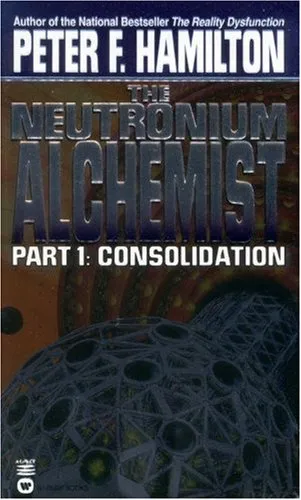
The Neutronium Alchemist: Part I - Consolidation (Neutronium Alchemist)
Peter F. Hamilton
1998
View book
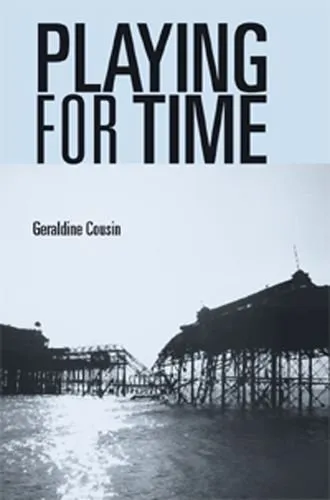
Book guide and evaluation
Geraldine Cousin
0 reviews
Published
pages
views
Welcome to 'Playing for Time: Stories of Lost Children, Ghosts and the Endangered Present in Contemporary Theatre', an insightful exploration of the ways contemporary theatre navigates the complexities of time, memory, and the spectral presences that haunt our lives. This boo
Before you read
Welcome to 'Playing for Time: Stories of Lost Children, Ghosts and the Endangered Present in Contemporary Theatre', an insightful exploration of the ways contemporary theatre navigates the complexities of time, memory, and the spectral presences that haunt our lives. This book delves into the narratives of lost children, ghostly figures, and the fragile nature of our present existence as portrayed on the stage.
The book takes a profound look into how modern theatre confronts themes of displacement, transience, and the phantoms of our past. Through an analysis of various plays, 'Playing for Time' discusses how these performances articulate the concept of loss and the quest to make peace with a tumultuous present. Geraldine Cousin investigates how theatre not only reflects societal anxieties but also serves as a medium for potential redress and healing.
Structured around key thematic concerns, the book considers the representations of lost children, both literal and metaphorical, and examines how these figures embody a society grappling with unresolved histories. It also addresses how ghostly apparitions are theatrical tools for exploring absence, longing, and unfinished narratives. Importantly, it questions what it means to exist in an 'endangered present' — a world where certainty is scarce, and the future is perpetually uncertain.
"Theatre is a mirror through which we see not only what is but what might yet come to pass."
"In the shadow of the ghost lies the story of the voices yet to be heard."
"Theatre is not just a telling of stories but an invocation of the memories that refuse to die."
This book is a vital contribution to theatre studies and cultural criticism, serving as an essential resource for understanding the transformative power of theatre. By critically examining various theatrical representations of lost children and ghosts, it provides readers with a lens through which to view the persistent tensions between past and present. The book is invaluable for scholars, theatre practitioners, and anyone interested in how art can articulate and address existential and cultural issues.
Through 'Playing for Time', readers are invited to consider how stories about time and memory influence our perception of reality. It encourages audiences to engage with theatre not just as entertainment but as a potent site for self-reflection and societal commentary. Ultimately, the book underscores the importance of theatre as an art form that continues to challenge, provoke, and inspire dialogue about the world we inhabit.
Your question is answered in the context of this title and author. Each answer uses 2 points.
0 reviews, 4.5 average out of 5
Sign in to publish a review.
Ask a focused question and learn from the community.
Related references that continue this learning path.
Peter F. Hamilton