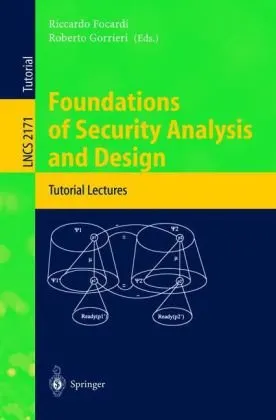
Foundations of Security Analysis and Design: Tutorial Lectures
Peter Y. A. Ryan (auth.),Riccardo Focardi,Roberto Gorrieri (eds.)
2001
View book
Book guide and evaluation
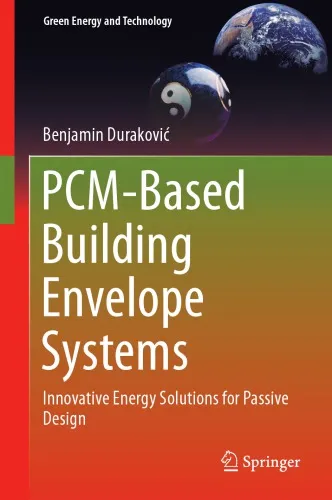
Benjamin Duraković
0 reviews
Published
pages
views
Introduction to "PCM-Based Building Envelope Systems: Innovative Energy Solutions For Passive Design" Buildings today face growing demands for energy efficiency, sustainability, and occupant comfort. The construction industry is in constant pursuit of innovative ma
Before you read
Buildings today face growing demands for energy efficiency, sustainability, and occupant comfort. The construction industry is in constant pursuit of innovative materials and technologies to achieve these objectives. One such groundbreaking solution centers around Phase Change Materials (PCMs) integrated into building envelope systems. In my book, "PCM-Based Building Envelope Systems: Innovative Energy Solutions For Passive Design", I delve into the transformative role PCMs can play in revolutionizing passive building design.
The book offers a thorough exploration of PCM technology—what it is, how it works, and, most importantly, how it can optimize energy performance. Designed for architects, engineers, researchers, and students interested in sustainable construction, this volume combines cutting-edge research with practical applications. Readers will gain a holistic understanding of how PCM-based systems can enhance thermal comfort while substantially reducing energy consumption.
Through a carefully structured narrative, actionable insights, and illustrative case studies, this book provides the tools necessary to integrate PCMs into modern design practices. From fundamental scientific principles to advanced modeling and real-world applications, each chapter is crafted to build practical knowledge for the reader. Let’s take a closer look at what you can expect within the pages of this work.
The book is a comprehensive guide divided into structured sections, covering everything from the basics of Phase Change Materials to their implementation in cutting-edge building designs. It begins with an introduction to PCMs, explaining their thermal storage properties and how they can store and release thermal energy during phase transitions. Their significance as a tool for energy conservation, particularly in passive design strategies, is emphasized.
Further chapters address the integration of PCMs into building envelopes, focusing on real-world construction projects that have successfully utilized this technology. The book explores the technical and thermal modeling approaches required to optimize PCM performance, underlining the importance of simulation software and experimental validation.
Readers will also find in-depth discussions on challenges such as cost variations, material degradation over time, and the interrelationship between different climate conditions and PCM functionality. The closing chapters discuss potential future trends of PCM development, highlighting innovative advancements expected to make this technology more accessible and affordable worldwide.
"The future of sustainable architecture resides in our ability to harness innovative materials like Phase Change Materials. By adopting smart building envelopes, we redefine not just structures but our relationship with energy itself."
"Energy efficiency is more than a design challenge—it's a call to action. PCM-based systems provide a tangible solution, turning theory into practical, real-world change."
As the world grapples with climate change and rising energy demands, the construction industry must lead the charge toward sustainable solutions. This book is timely because it bridges the gap between theoretical research and practical, scalable solutions that architects and engineers can implement. By focusing on PCM-based building envelope systems, this text introduces a concept that can drastically reduce the energy footprint of buildings.
Beyond its technical insights, the book offers an interdisciplinary perspective, connecting architecture, engineering, and environmental sustainability. It provides a clear pathway for designers and project managers to adopt innovative approaches, contributing to long-term energy savings and a greener planet. This makes it an indispensable resource for anyone looking to elevate their understanding of modern sustainable building practices.
Finally, the book matters because it inspires action. It encourages construction professionals to reimagine design norms, adopt new technologies, and collaborate across disciplines to tackle the pressing challenges of today and tomorrow. By the time you finish, you’ll not only appreciate the role of PCMs in passive design but also understand how to apply these solutions effectively in your work.
Your question is answered in the context of this title and author. Each answer uses 2 points.
0 reviews, 4.0 average out of 5
Sign in to publish a review.
Ask a focused question and learn from the community.
Related references that continue this learning path.
Peter Y. A. Ryan (auth.),Riccardo Focardi,Roberto Gorrieri (eds.)