
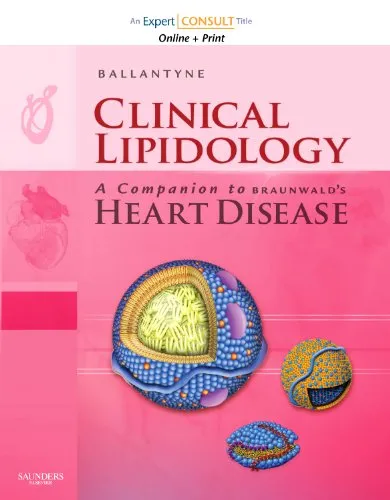
Clinical Lipidology: A Companion to Braunwald's Heart Disease
Christie M. Ballantyne MD
2008
View book
Book guide and evaluation
Howard E. Morgan (auth.),Inder S. Anand,Purshotam L. Wahi,Naranjan S. Dhalla (eds.)
0 reviews
Published
pages
views
Introduction to "Pathophysiology and Pharmacology of Heart Disease" Welcome to the profound exploration of cardiovascular studies encapsulated in the symposium proceedings held by the Indian section of the International Society for Heart Research in February 1988. This com
Before you read
Welcome to the profound exploration of cardiovascular studies encapsulated in the symposium proceedings held by the Indian section of the International Society for Heart Research in February 1988. This compendium, edited by esteemed cardiologists Inder S. Anand, Purshotam L. Wahi, and Naranjan S. Dhalla, provides insightful perspectives on the multifaceted nature of heart disease, discussing both the underlying pathophysiological mechanisms and the pharmacological advancements in treatment. The discussions in this book rest on the shoulders of renowned experts, aiming to bridge the gap between experimental research and clinical application.
The book comprises carefully curated discussions and research papers from the 1988 symposium, covering an extensive range of topics pivotal to understanding heart disease. It delves into the basic pathophysiological processes, including myocardial ischemia, heart failure, arrhythmias, and hypertensive heart disease, providing a comprehensive understanding of how these conditions develop and progress.
The pharmacological sections highlight therapeutic strategies and drug development trends that aim to combat heart disease. The book examines the efficacy and mechanics of various drug therapies, including beta-blockers, calcium channel blockers, and ACE inhibitors, emphasizing their roles in managing different cardiovascular conditions. It also discusses the potential side effects and challenges faced in pharmacotherapy.
The symposium also served as a platform to discuss diagnostic advancements, including imaging techniques and biomarker identification, which play crucial roles in early detection and management of heart diseases.
"Understanding the intricacies of heart disease requires not just a look at the heart itself but at the total system, including the vascular and cellular components."
"The development of effective cardiac drugs hinges as much on the comprehension of disease mechanisms as it does on drug design."
This book serves as a critical resource for both researchers and clinicians in the field of cardiology. It provides a historical perspective on the progress made in heart research up to 1988 while also setting a foundation for future studies and clinical practices. The proceedings present an invaluable record of expert discussions, highlighting the essential advancements and ongoing challenges in cardiac care. It encourages a collaborative approach to cardiovascular medicine, advocating for continuous research and development.
By shedding light on both established and emerging concepts in cardiology, this book remains relevant for modern cardiac research, linking past knowledge with future innovation. It is a testament to the dedication and progress made by the scientific community in understanding and combating one of the leading causes of morbidity and mortality worldwide.
Your question is answered in the context of this title and author. Each answer uses 2 points.
0 reviews, 4.0 average out of 5
Sign in to publish a review.
Ask a focused question and learn from the community.
Related references that continue this learning path.
Christie M. Ballantyne MD
Robert O. Bonow MD,Douglas L. Mann MD FACC,Douglas P. Zipes MD,Peter Libby MD
Robert O Bonow;Eugene Braunwald; et al