
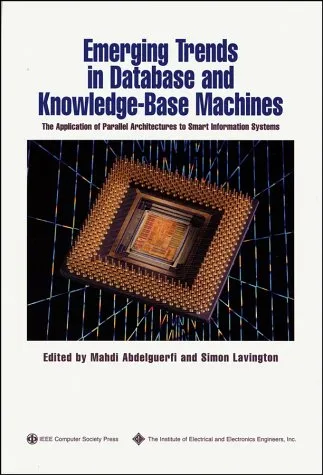
Emerging Trends in Database and Knowledge Based Machines: The Application of Parallel Architectures to Smart Information Systems
Mahdi AbdelguerfiandSimon Lavington (Editors)
1995
View book
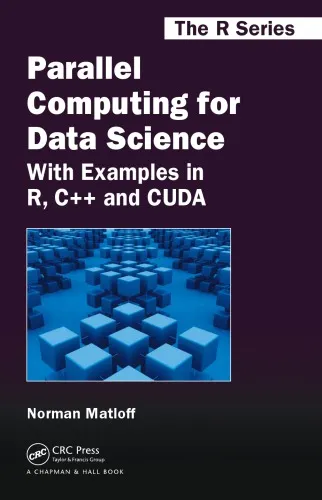
Book guide and evaluation
Matloff,Norman S.
0 reviews
Published
pages
views
Introduction In the rapidly evolving realm of data science, the ability to handle large datasets and complex computations efficiently is paramount. "Parallel Computing for Data Science: With Examples in R, C++ and CUDA" by Norman S. Matloff provides an essential guide to lever
Before you read
In the rapidly evolving realm of data science, the ability to handle large datasets and complex computations efficiently is paramount. "Parallel Computing for Data Science: With Examples in R, C++ and CUDA" by Norman S. Matloff provides an essential guide to leveraging parallel computation to elevate data science endeavors. This comprehensive text is tailored for both burgeoning data scientists and seasoned professionals looking to harness the power of parallel processing to expand their analytical capabilities.
With the unprecedented growth of data, the demand for faster, more efficient computational strategies has never been higher. This book serves as a bridge between traditional data analysis and advanced computational techniques, focusing on the implementation and advantages of parallel computing in the field of data science. The text offers a robust overview of parallel computing concepts, combined with a practical approach through the use of popular programming languages like R, C++, and CUDA. Readers will explore various methods to parallelize their computations, from leveraging multi-core processors to exploiting the capabilities of modern GPUs. The book systematically introduces parallel techniques, methodologies, and programming paradigms while emphasizing practical data science applications.
The integration of R, C++, and CUDA examples ensures that readers gain not only a theoretical understanding but also hands-on experience. The seamless transition between these languages offers comprehensive insight into adopting parallel computing strategies across different platforms and use cases. Chapters progress from foundational concepts to more advanced topics, ending with real-world applications that showcase the transformative impact of parallel processing in data science.
"Parallel computing isn't just a performance enhancer; it's a necessity in the era of big data."
"The real power of computation is realized when we learn to leverage every core in our processors."
As data sets grow larger and the drive for real-time data analysis intensifies, the adoption of parallel computing becomes increasingly vital. This book matters because it demystifies the complexities of parallel computation in an accessible and actionable manner. By integrating R, C++, and CUDA examples, it not only addresses theoretical concepts but also emphasizes their practical implementations.
For data scientists, mastering parallel computing can lead to substantial gains in efficiency, allowing for faster processing and more sophisticated models. Norman S. Matloff provides a well-structured guide that empowers readers to embrace these computational advancements, opening doors to new opportunities in data analysis, research, and application development.
Moreover, the book's approach aligns with the demands of the modern data-driven world, where real-time insights and rapid processing capabilities are not just desired but required. By reading this book, data professionals can ensure they are at the forefront of technological advancements, equipped with the necessary skills to tackle the most complex data challenges.
Your question is answered in the context of this title and author. Each answer uses 2 points.
0 reviews, 4.5 average out of 5
Sign in to publish a review.
Ask a focused question and learn from the community.
Related references that continue this learning path.
Mahdi AbdelguerfiandSimon Lavington (Editors)
David B. Kirk,Wen-mei W. Hwu