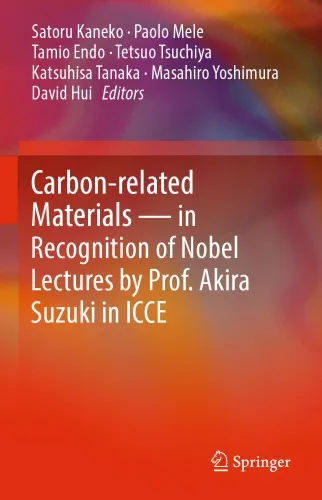
Carbon-related materials in recognition of Nobel Lectures by Prof. Akira Suzuki in ICCE
Endo, Tamio;Hui, David;Kaneko, Satoru;Mele, Paolo;Tanaka, Katsuhisa;Tsuchiya, Tetsuo;Yoshimura, Masahiro
2017
View book

Book guide and evaluation
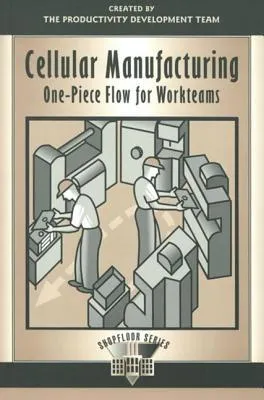
McNamara, Joe;Protzman, Charles;Protzman, Dan
0 reviews
Published
pages
views
Introduction Welcome to a transformative journey into the world of manufacturing and productivity with "One-piece Flow vs. Batching: A Guide to Understanding How Continuous Flow Maximizes Productivity and Customer Value". This book is your comprehensive guide to understanding
Before you read
Welcome to a transformative journey into the world of manufacturing and productivity with "One-piece Flow vs. Batching: A Guide to Understanding How Continuous Flow Maximizes Productivity and Customer Value". This book is your comprehensive guide to understanding the dynamics behind one-piece flow and batching, two crucial methodologies that impact manufacturing efficiency, product quality, and customer satisfaction.
In today's fast-paced world, the ability to deliver high-quality products efficiently and reliably is more important than ever. This book unpacks the concept of continuous flow production, where products are manufactured one piece at a time, and contrasts it with the more traditional batch processing approach. Our goal is to guide you through the intricacies of these systems, empowering you to make informed decisions that can revolutionize your operations and enhance customer value.
The book is divided into several sections, each meticulously crafted to build a robust understanding of lean manufacturing principles. We begin by defining one-piece flow and its historical development, tracing its origins back to the efficient manufacturing systems of the automotive industry. You'll learn how pioneers in the field have utilized this approach to achieve remarkable efficiency and waste reduction.
In subsequent sections, we delve into the limitations and challenges associated with batching, the conventional counterpart of one-piece flow. By exploring real-world case studies and practical examples, we shed light on the pitfalls of batching, such as high inventory costs, longer lead times, and reduced quality control.
Further chapters are dedicated to implementation strategies and how to overcome common obstacles when transitioning to one-piece flow. We discuss key tools and techniques, such as value stream mapping and takt time analysis, to help you identify improvement opportunities and streamline your processes. By the end of this book, you'll be equipped with actionable insights and practical knowledge to significantly enhance your productivity and deliver unparalleled customer value.
"In the race for efficiency and quality, one-piece flow is the undisputed champion, bridging the gap between production and perfection."
"Batching may have served us well, but in the age of rapid change and heightened expectations, one-piece flow is the key to unlocking true potential."
This book stands out as a critical resource in the management and manufacturing fields for several reasons. It offers a well-rounded perspective that not only covers the technicalities of one-piece flow but also addresses the human and cultural aspects necessary for successful implementation. Its detailed approach, coupled with actionable insights, makes it invaluable for industry professionals, managers, and anyone interested in optimizing production processes.
Moreover, the book's emphasis on customer value serves as a reminder that manufacturing efficiency is not just about internal gains but also about external satisfaction. By focusing on how continuous flow can maximize customer value, this book sets the foundation for sustainable competitiveness in the modern era.
Ultimately, "One-piece Flow vs. Batching" provides the tools and knowledge required to transcend traditional barriers and embrace a more efficient and responsive manufacturing paradigm. Whether you're well-versed in lean principles or just starting your journey, this book is an essential companion in achieving excellence in your operations and highlighting the profound impact of streamlined, value-driven processes.
Your question is answered in the context of this title and author. Each answer uses 2 points.
0 reviews, 4.7 average out of 5
Sign in to publish a review.
Ask a focused question and learn from the community.
Related references that continue this learning path.
Endo, Tamio;Hui, David;Kaneko, Satoru;Mele, Paolo;Tanaka, Katsuhisa;Tsuchiya, Tetsuo;Yoshimura, Masahiro