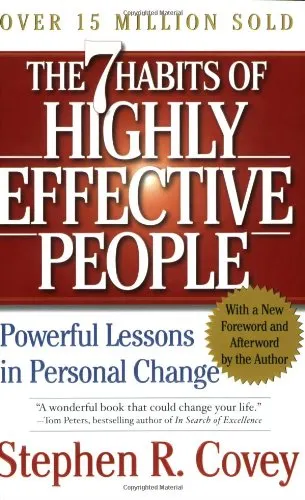
The 7 habits of highly effective people: restoring the character ethic
Stephen R. Covey
2004
View book
Book guide and evaluation
Chet Kelly Robinson
0 reviews
Published
pages
views
Introduction Welcome to the insightful world of "No More Mr. Nice Guy," a transformative book by Chet Kelly Robinson that delves into the complexities of masculinity and self-identity in today's world. Through a journey that's both enlightening and empowering,
Before you read
Welcome to the insightful world of "No More Mr. Nice Guy," a transformative book by Chet Kelly Robinson that delves into the complexities of masculinity and self-identity in today's world. Through a journey that's both enlightening and empowering, Robinson invites readers to break free from the constraints of societal expectations and embrace a more authentic self. This introduction explores the key themes and ideas presented in the book, opening a window to understanding Robinson's revolutionary vision.
In "No More Mr. Nice Guy," Robinson critically dissects the stereotypical archetype of the "nice guy" — the man who is overly accommodating, self-sacrificing, and, oftentimes, secretly resentful. Through empathetic narrative and practical exercises, Robinson offers insight into why nice guys struggle with asserting their needs and how this behavior negatively impacts their lives, both personally and professionally.
The book emphasizes the notion that nice guys are often driven by a subconscious need for approval and a fear of conflict. As Robinson guides readers through introspective analyses and real-world anecdotes, he confronts the toxic patterns that dictate their behavior. The author presents a step-by-step process to deconstruct these patterns and rebuild authenticity through self-acceptance and assertiveness. Through these teachings, readers are encouraged to abandon their facade and cultivate a life that is honest and fulfilling.
“You can't truly be yourself until you stop trying to be what everyone else expects you to be.”
“To be truly successful, you must first learn to disappoint those who would love you to remain nice at all costs.”
“Freedom is the reward of being true to your deepest values and unique identity.”
"No More Mr. Nice Guy" tackles profound issues related to personal identity, emotional honesty, and relational integrity. In an era where traditional gender roles are often criticized yet still deeply rooted, Robinson's work serves as a manual for self-liberation and authenticity. By challenging the premises of conventional masculinity, this book offers men a path to genuine happiness and fulfillment that transcends external validation.
The significance of this book extends beyond personal transformation. It touches on broader cultural themes by advocating for emotional expression as a strength rather than weakness. Readers who follow Robinson's guidance can expect to experience not only changes in their individual lives but also contribute to a cultural shift towards more open and sincere human connections.
Your question is answered in the context of this title and author. Each answer uses 2 points.
0 reviews, 4.3 average out of 5
Sign in to publish a review.
Ask a focused question and learn from the community.
Related references that continue this learning path.
Stephen R. Covey