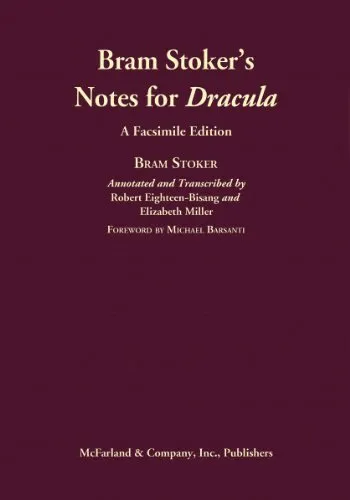
Bram Stoker's Notes for Dracula: A Facsimile Edition
Robert Eighteen-Bisang,Elizabeth Miller
2008
View book
Book guide and evaluation
Franklin Ankersmit
0 reviews
Published
pages
views
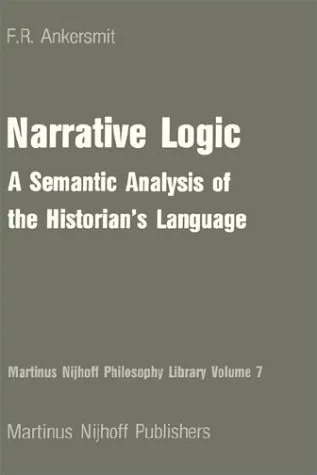
Introduction "Narrative Logic: A Semantic Analysis of the Historian's Language" is a seminal work by Franklin Ankersmit that delves into the intricate relationship between narrative forms and historical representation. This book challenges traditional notions of historical
Before you read
"Narrative Logic: A Semantic Analysis of the Historian's Language" is a seminal work by Franklin Ankersmit that delves into the intricate relationship between narrative forms and historical representation. This book challenges traditional notions of historical analysis by focusing on the linguistics and semantics within historiography, arguing that the language of historians significantly shapes our understanding of history. Through a rigorous exploration of narrative construction, Ankersmit provides an enlightening perspective on how historical narratives are pieced together and challenges the objectivity that is often assumed in historical studies.
Ankersmit's "Narrative Logic" traverses the landscape where historical writing and philosophical analysis intersect. He posits that narratives in history are not mere representations of facts, but are complex constructions that involve creative interpretation by historians. The book is structured around analyzing how linguistic structures and semantics influence the historian's craft. Ankersmit begins with the premise that historical narratives are shaped by narrative choices, which in turn determine how the past is perceived. He dissects the elements of narrative construction, such as temporality, causality, and coherence, and examines how these elements push the boundaries of factual recounting, placing the historian as a narrator who weaves events into a cohesive story.
Ankersmit further explores the implications of narrative logic by discussing the concept of historical representation and the representational nature of historical texts. He argues that instead of simply depicting the reality, historical narratives construct reality, making them subjective interpretations filled with the historian's own context and biases. This standpoint shifts the focus from historical accuracy to understanding the creative elements of historical writing.
"The historical text does not merely recount the past but constructs a past that is meaningful within a narrative framework."
"In history, as in fiction, reality is the outcome of narrative choices."
"Narrative Logic" is crucial as it fundamentally challenges and enriches the methodological paradigms of historiography. By emphasizing the narrative aspect of historical writing, Ankersmit grants new insights into the subjective nature of historical accounts. This book is instrumental in advancing the postmodern view of history, where the focus shifts from the mere pursuit of factual recounting to understanding the narrative construction as a pivotal element of historiography. It fosters a critical approach where readers and scholars alike are encouraged to scrutinize the narratives presented in historical writings and understand the underlying choices that shape these narratives.
Furthermore, Ankersmit's work is significant for broadening the scope of historical analysis beyond traditional empirical methods, incorporating aspects of literary theory and linguistics. This multidisciplinary approach offers historians, philosophers, and readers a richer, more nuanced understanding of how history is conveyed and understood. Through "Narrative Logic," Ankersmit invites an essential dialogue on how narratives inform and often define our comprehension of history and reality itself.
Your question is answered in the context of this title and author. Each answer uses 2 points.
0 reviews, 4.3 average out of 5
Sign in to publish a review.
Ask a focused question and learn from the community.
Related references that continue this learning path.
Robert Eighteen-Bisang,Elizabeth Miller