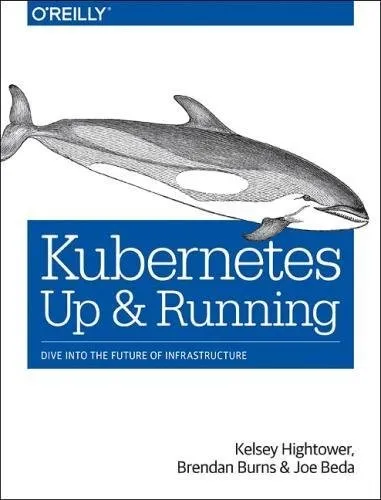
Kubernetes: Up and Running: Dive into the Future of Infrastructure
Kelsey Hightower,Brendan Burns,Joe Beda
2017
View book
Book guide and evaluation
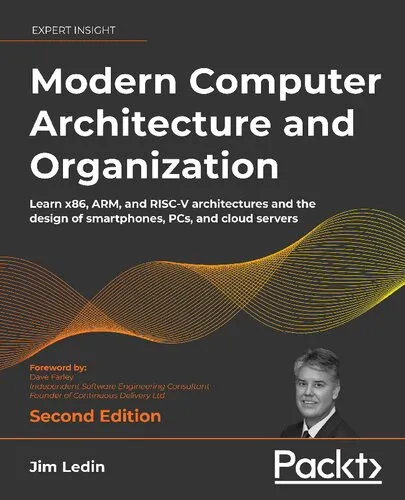
Jim Ledin
0 reviews
Published
pages
views
Introduction In an era defined by rapid technological advancement, understanding the intricacies of computer architecture and organization has never been more critical. With processors forming the heartbeat of all computing devices, from smartphones to servers, a comprehensive
Before you read
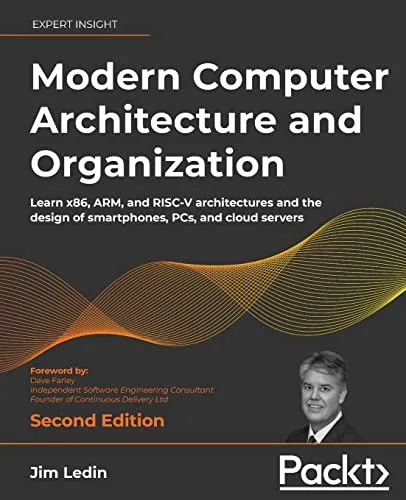
In an era defined by rapid technological advancement, understanding the intricacies of computer architecture and organization has never been more critical. With processors forming the heartbeat of all computing devices, from smartphones to servers, a comprehensive grasp of their inner workings can unlock new dimensions of insight and innovation. "Modern Computer Architecture and Organization: Learn x86, ARM, and RISC-V architectures and the design of smartphones, PCs, and cloud servers" offers an in-depth exploration into the foundational and advanced aspects of computer architecture, elevating readers from enthusiasts to experts.
At its core, this book serves as a thorough guide to understanding the key architectures that drive our everyday technology. The chapters meticulously dissect the x86, ARM, and RISC-V architectures, explaining their evolution, unique characteristics, and practical applications. The content is organized to first lay a solid foundation of basic principles, ensuring that readers are well-equipped to tackle more complex topics as they progress.
Beginning with a historical perspective, the book traces the development of computer architectures and introduces the essential concepts and terminologies needed for a deeper comprehension. As readers advance, they delve into the specificities of modern architectures. The book's emphasis on the three predominant architectures—x86, ARM, and RISC-V—affords readers a comprehensive comparison, highlighting their respective strengths and use cases in diverse environments such as consumer electronics, personal computing, and cloud infrastructures.
Moreover, the book doesn’t just stop at theory. Practical sections include hands-on exercises that help solidify the reader's understanding. These exercises are crafted to simulate real-world scenarios, thereby ensuring that the knowledge acquired is not only theoretical but applicable in tangible settings.
Throughout the book, readers can expect to gain several key insights:
Here are some poignant reflections from the book:
"In the world of technology, understanding the architecture is akin to knowing the DNA of digital life."
"As the landscape of computing evolves, so too must our understanding of the frameworks that drive it."
The significance of this book lies in its comprehensive approach to demystifying the complexities of computer architecture and organization. At a time when technology is deeply interwoven into the fabric of our daily lives, having expertise in this area is invaluable. Whether you're a budding computer science student, a seasoned engineer, or a hobbyist intrigued by how machines work, this book offers the clarity and depth necessary to advance your understanding.
Additionally, with the convergence of various digital and cloud-based solutions, knowing the distinct features and benefits of different architectural designs can inform better decision-making in both hardware and software development fields. This book not only equips readers with knowledge but also inspires them to innovate and push the boundaries of what is possible with modern computing technology.
Your question is answered in the context of this title and author. Each answer uses 2 points.
0 reviews, 4.5 average out of 5
Sign in to publish a review.
Ask a focused question and learn from the community.
Related references that continue this learning path.
Kelsey Hightower,Brendan Burns,Joe Beda