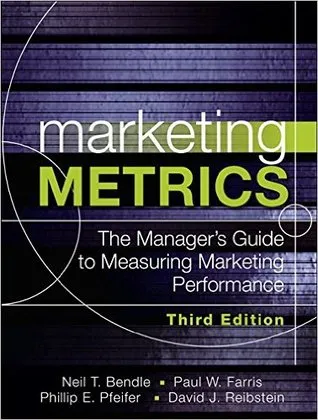
Marketing Metrics: The Manager’s Guide to Measuring Marketing Performance
Paul W. Farris;Neil Bendle;Phillip E Pfeifer;David J Reibstein
2015
View book
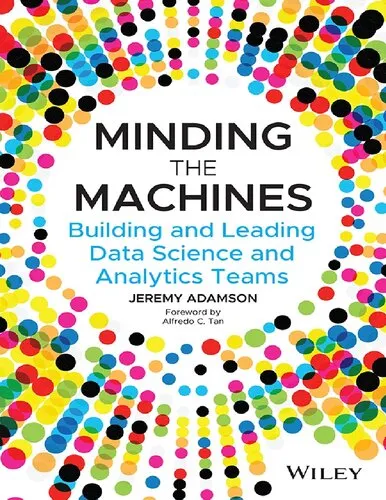
Book guide and evaluation
Jeremy Adamson
0 reviews
Published
pages
views
Introduction to "Minding the Machines: Building and Leading Data Science and Analytics Teams" In the age of artificial intelligence and data-driven decision-making, few challenges are as pressing as building and leading effective data science and analytics teams. "Minding the
Before you read
In the age of artificial intelligence and data-driven decision-making, few challenges are as pressing as building and leading effective data science and analytics teams. "Minding the Machines: Building and Leading Data Science and Analytics Teams" serves as a foundational guide for managers, leaders, and practitioners who want to unlock the true power of data science while navigating the intricacies of people, processes, and technology.
As organizations increasingly embrace analytics to fuel innovation, competitiveness, and smarter decision-making, the demand for talented and cohesive data science teams has never been higher. However, successful teams don't happen by chance; they require thoughtful strategy, clear communication, and an integrated leadership approach to thrive. This book provides a step-by-step roadmap to help leaders cultivate high-performing teams that can transform raw data into actionable insights.
In "Minding the Machines," I explore the key elements necessary for managing data science and analytics teams effectively. The content is divided into practical and easy-to-digest chapters that weave together theoretical insights with real-world examples to illustrate key concepts.
The book prescribes a unique blend of technical understanding and human-centered leadership. Early chapters focus on understanding the strategic role of data science within an organization, emphasizing the alignment of team goals with business objectives. Subsequent chapters dive deep into the challenges of recruitment, onboarding, and retaining top talent in a competitive market. By addressing both technical skill sets and soft skills, the book highlights how fostering a collaborative culture can create resilience amidst organizational challenges.
Another critical aspect of this book is its focus on workflows and processes. The book addresses how leaders can implement robust frameworks to manage projects, overcome communication silos, and deliver measurable value. From agile methodologies to tools for project management and team collaboration, your team’s efficiency becomes a top priority. But it doesn't stop there—"Minding the Machines" also emphasizes ethical considerations in using data responsibly, as well as aligning analytics projects with long-term strategic goals beyond short-term operational wins.
Ultimately, this book is less about technical tutorials and more about achieving the perfect synergy between technology and team dynamics. Leadership principles are tackled in great depth, offering a blueprint not only for team managers but also for those climbing the ladder aspiring to take on leadership roles in data science.
"Data science is not just about algorithms or technology; it is about people and decisions."
"The best data science teams are not the ones with the best tools, but those with the clearest purpose."
"Leadership in analytics requires the ability to explain the unexplainable. The role of a leader is to bridge that gap."
As businesses look to gain competitive advantages through the use of data, the importance of capable data science and analytics teams cannot be overstated. Yet, even the most talented teams can fail without proper guidance, thoughtful leadership, and a clearly defined strategy. "Minding the Machines" bridges this gap by offering actionable advice to create organizations that thrive in the age of data.
What sets this book apart from other analytics or technical guides is its emphasis on the human side of data science leadership. While many resources focus narrowly on tools, technologies, or coding expertise, this book provides a holistic understanding that includes leadership, communication, and organizational strategy.
Whether you're a manager building a data science team from scratch or a seasoned professional refining your leadership skills, "Minding the Machines" equips you with invaluable insights to succeed in this dynamic and rapidly evolving field. It addresses the everyday challenges such as recruitment, scalability, aligning goals, and handling resistance to change, all while staying forward-thinking in ethics and innovation.
At its core, the book doesn't just help you lead machines—it helps you lead people while working with machines.
Your question is answered in the context of this title and author. Each answer uses 2 points.
0 reviews, 4.5 average out of 5
Sign in to publish a review.
Ask a focused question and learn from the community.
Related references that continue this learning path.
Paul W. Farris;Neil Bendle;Phillip E Pfeifer;David J Reibstein
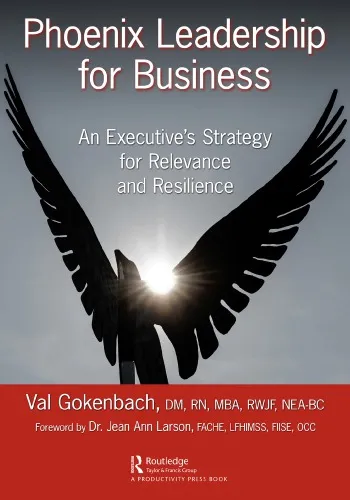
Gokenbach,Valentina