
Solutions Architect's Handbook: Kick-start your career as a solutions architect by learning architecture design principles and strategies, 2nd Edition
Saurabh Shrivastava,Neelanjali Srivastav
2022
View book
Book guide and evaluation
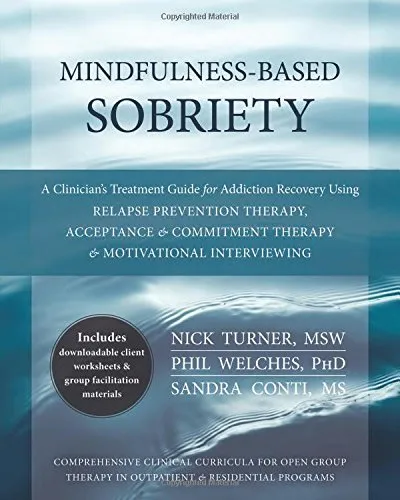
Nick Turner,Phil Welches,Sandra Conti
0 reviews
Published
pages
views
Introduction to "Mindfulness-Based Sobriety" "Mindfulness-Based Sobriety: A Clinician’s Treatment Guide for Addiction Recovery Using Relapse Prevention Therapy, Acceptance and Commitment Therapy, and Motivational Interviewing" is a comprehensive and transformative guide
Before you read
"Mindfulness-Based Sobriety: A Clinician’s Treatment Guide for Addiction Recovery Using Relapse Prevention Therapy, Acceptance and Commitment Therapy, and Motivational Interviewing" is a comprehensive and transformative guide for professionals working with individuals facing addiction and substance use disorders. It integrates evidence-based therapeutic modalities like Relapse Prevention Therapy (RPT), Acceptance and Commitment Therapy (ACT), and Motivational Interviewing (MI), with the powerful and grounding practice of mindfulness. Our goal with this book is to equip clinicians with the tools and frameworks necessary to foster lasting recovery while meeting clients where they are on their journey.
Grounded in scientific research and enhanced by real-world practice, this guide provides actionable strategies and interventions that bridge the gap between theory and application. Addiction recovery is a deeply personal and challenging process, and this book seeks to amplify the clinician's ability to support individuals in overcoming barriers, re-establishing control, and finding meaning in their lives. Whether you are a seasoned therapist or a practitioner new to addiction treatment, this book offers critical insights and tools for supporting clients through their sobriety journey.
At its core, "Mindfulness-Based Sobriety" serves as a structured yet flexible framework for guiding individuals through the complexity of addiction recovery. The book is organized into sections that systematically address the different nuances of evidence-based substance use treatment while integrating mindfulness to support long-term well-being.
The Relapse Prevention Therapy (RPT) approach emphasizes identifying and managing triggers while helping clients anticipate high-risk situations. Through these lessons, clinicians are encouraged to support clients in building the skills necessary to maintain control during temptations and stressors.
Using Acceptance and Commitment Therapy (ACT), the book guides readers in helping clients develop psychological flexibility, redefine relationships with their emotional pain, and live in alignment with their core values. This section offers practical tools for helping clients accept the discomfort of the recovery process and commit to actionable changes.
Motivational Interviewing (MI) forms the foundation of how clinicians can foster empathy and guide clients towards self-driven change. By understanding the stages of readiness and supporting intrinsic motivation, MI helps establish trust and accountability.
Finally, mindfulness is woven throughout the book as a transformative practice that enhances emotional regulation, awareness, and compassion. Clinicians are equipped with mindfulness exercises and techniques to integrate into their sessions and empower clients to stay in tune with the present moment.
“Recovery is not just about achieving sobriety; it’s about reclaiming the life that addiction has overshadowed. Every step forward, no matter how small, is progress.”
“Mindfulness offers a pause—a space to observe, to feel, and to respond to cravings and triggers, rather than mindlessly reacting to them.”
“Change rooted in values is enduring. Motivational interviewing plants the seed, mindfulness nurtures it, and therapeutic techniques like ACT and RPT guide its growth.”
Addiction is a multifaceted challenge that impacts individuals, families, and communities. While there is no one-size-fits-all solution, an integrative approach like the one described in "Mindfulness-Based Sobriety" provides clinicians with a roadmap for delivering comprehensive and compassionate care. This book matters because it emphasizes the human side of addiction treatment while embracing the need for evidence-informed practices.
This guide not only helps professionals address the immediate needs of those in recovery but also considers their long-term emotional and psychological health. Its emphasis on mindfulness and values alignment empowers individuals to sustain their sobriety while building lives filled with purpose and meaning.
Ultimately, "Mindfulness-Based Sobriety" underscores the importance of collaboration, empathy, and resilience—qualities that enhance not only the therapeutic relationship but also the recovery journey itself. It is a vital resource for clinicians who seek to make a lasting difference in the lives of their clients.
Your question is answered in the context of this title and author. Each answer uses 2 points.
0 reviews, 4.6 average out of 5
Sign in to publish a review.
Ask a focused question and learn from the community.
Related references that continue this learning path.
Saurabh Shrivastava,Neelanjali Srivastav

Saurabh Shrivastava,Neelanjali Srivastav