
Book guide and evaluation
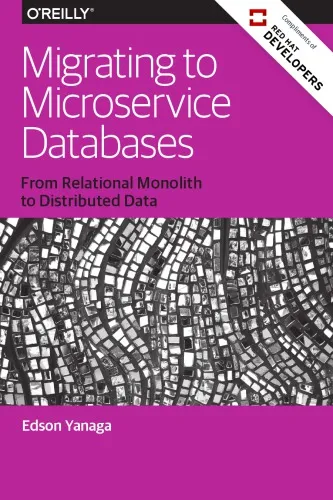
Migrating to microservice databases: from relational monolith to distributed data
Edson Yanaga
English
Unordered
Microservices
3.6 / 5
0 reviews
2017
Published
72
pages
814
views
Introduction to "Migrating to Microservice Databases: From Relational Monolith to Distributed Data" In the rapidly evolving landscape of software architecture, the shift from monolithic applications to microservices has reshaped the approach to designing and managing systems.
Before you read
What will you get from this book?
Introduction to "Migrating to Microservice Databases: From Relational Monolith to Distributed Data"
In the rapidly evolving landscape of software architecture, the shift from monolithic applications to microservices has reshaped the approach to designing and managing systems. My book, "Migrating to Microservice Databases: From Relational Monolith to Distributed Data," serves as a comprehensive guide for navigating this critical transition process. This book not only explores the technical aspects but also delves into the cultural and organizational changes required to fully harness the potential of microservices. Below, you'll find an overview, key takeaways, notable quotes, and the relevance of this work in today's technological context.
Detailed Summary of the Book
The book is structured to address the various phases of migrating from a monolithic database architecture to a more decentralized and distributed model fit for microservices. It starts with a foundational understanding of the monolithic database systems and progress into the microservices paradigm, discussing the reasons why organizations are making this shift. The early chapters focus on identifying the challenges these organizations face during migration, such as data synchronization, consistency, and managing distributed transactions.
As the narrative unfolds, the book provides practical strategies for overcoming these challenges. It covers data decomposition techniques, methods to ensure data integrity in a distributed environment, and the best practices for database testing and deployment in a microservices architecture. Real-world examples and case studies offer readers insights into successful migration stories and lessons learned from unsuccessful attempts, imparting a balanced perspective.
Furthermore, the book highlights the importance of adapting organizational culture for effective microservices adoption. It discusses the role of teams, leadership, and the critical importance of a DevOps culture in facilitating a successful transition. Ultimately, the book serves as a valuable resource for software architects, developers, and IT leaders who are part of the journey from monolithic systems to agile microservice-based architectures.
Key Takeaways
- Understanding the limitations of monolithic databases in the context of modern software development.
- Techniques for data decomposition and ensuring consistency across distributed systems.
- Practical approaches to managing data transactions and synchronization issues.
- Insights into cultural and organizational transformations necessary for microservices adoption.
- Strategies for maintaining data integrity and testing in distributed databases.
Famous Quotes from the Book
“Migrating databases is not just a change in technology, but a shift in the paradigm of thinking about how data should be accessed, managed, and owned.”
“Organizations that embrace microservices must also be prepared to embrace the culture changes that come with a more decentralized world.”
Why This Book Matters
As more companies seek agility and faster time-to-market, microservices emerge as a pivotal architectural model. However, with the adoption of microservices come unique challenges, especially in the realm of database management. "Migrating to Microservice Databases" addresses a critical gap in technology discourse by providing actionable insights and strategies for the successful migration of databases. At its core, this book helps bridge the technology-to-business divide, offering a path to better scalability, resilience, and adaptability in software architecture.
Given the rapid pace of innovation, having a reliable guide that collates both theoretical and practical knowledge is invaluable. This book not only aims to inform but also to catalyze change, inspiring organizations to innovate and adapt their database architectures for the microservices era.
Audio introductions
Persian Summary
Ask this book
Your question is answered in the context of this title and author. Each answer uses 2 points.
Sign in to ask the book assistant.
Reader reviews
0 reviews, 3.6 average out of 5
No reviews yet
If you have read this book, help the next reader with your experience.
Write a review
Sign in to publish a review.
Reader questions and answers
Ask a focused question and learn from the community.
Sign in to ask or answer a question.
No questions yet
Be the first to ask a clear, useful question.
What to read next
Related references that continue this learning path.
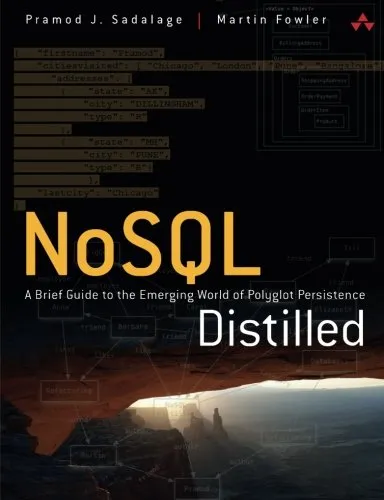
NoSQL Distilled: A Brief Guide to the Emerging World of Polyglot Persistence
Pramod J. Sadalage,Martin Fowler
2012
View book
Kubernetes Patterns: Reusable Elements for Designing Cloud-Native Applications
Bilgin Ibryam,Roland Huß
2019
View book