Book guide and evaluation
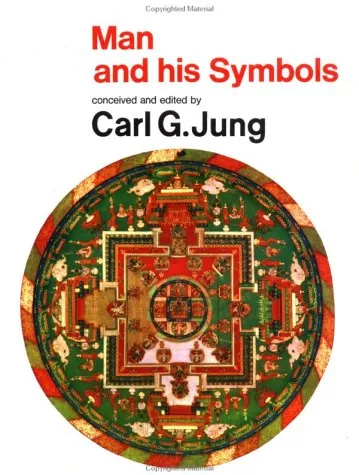
Man and His Symbols
Carl Gustav Jung
English
Beginner
Psychiatry & Psychology
4.6 / 5
0 reviews
1969
Published
319
pages
668
views
Welcome to an introspective journey into the depths of the human psyche with Carl Gustav Jung's seminal work, "Man and His Symbols." This book, a profound exploration of the language of symbols and their significance within the unconscious mind, remains a cornerstone in under
Before you read
What will you get from this book?
Welcome to an introspective journey into the depths of the human psyche with Carl Gustav Jung's seminal work, "Man and His Symbols." This book, a profound exploration of the language of symbols and their significance within the unconscious mind, remains a cornerstone in understanding the mysterious relationships between humans and the symbolic world. Written with both academic rigor and accessibility in mind, "Man and His Symbols" opens the door to the wonders of Jungian thought for both scholars and lay readers alike.
Detailed Summary of the Book
"Man and His Symbols" initiates readers into the universe of symbols that permeate human consciousness. Conceived as an explanatory work about Jung's theories, particularly focusing on symbols and the dynamics of the unconscious, it utilizes five essays by experts in the field to delve into various facets of this topic.
The book begins with Jung's own essay, "Approaching the Unconscious," wherein he dissects the concept of the unconscious and explains how symbols manifest in dreams and visions, offering insights into our inner worlds. Subsequent chapters, authored by Jung's collaborators, further discuss specific symbol categories, cultural implications, and the process of individuation. The essays illustrate the universality of symbols across cultures, integrating narrative and case study to shed light on their interpretations and impacts on personal development.
In "Ancient Myths and Modern Man," Joseph L. Henderson explores how ancient myths reflect societal structures and beliefs, linking past and present human behavior. Marie-Louise von Franz's "The Process of Individuation" is a meticulous exploration of personal growth and development facilitated by understanding one's symbols. Aniela Jaffé examines the symbols witnessed in visions, art, and dreams, while Jolande Jacobi delves into the practical application of these concepts in psychotherapy.
Key Takeaways
- The unconscious mind communicates through symbols, revealing hidden truths about the self.
- Symbolism is universal, transcending cultural and temporal boundaries.
- Understanding symbols is crucial for personal growth and self-realization.
- The process of individuation involves the integration of conscious and unconscious aspects of the psyche.
- The exploration of dreams, myths, and art can provide profound insights into human nature.
Famous Quotes from the Book
"The dream is a little hidden door in the innermost and most secret recesses of the soul, opening into that cosmic night which was psyche long before there was any ego-consciousness, and which will remain psyche no matter how far our ego-consciousness extends."
"A symbol is a psychological mechanism that transforms energy."
Why This Book Matters
"Man and His Symbols" stands as a pivotal entry point into the world of Carl Jung's analytical psychology. Its importance lies in the demystification of complex Jungian theories, presenting them in a relatable manner. The book's collaborative nature, featuring contributions from eminent psychologists, enriches the text with diverse perspectives and insights.
This work underscores the significance of symbols in understanding the human condition. It bridges the gap between science and spirituality, inviting readers to reflect on their own psyche and the universal patterns of human experience. By forging connections between inner and outer realities, the book has inspired both practitioners and enthusiasts to embark on the profound journey of self-discovery.
Ask this book
Your question is answered in the context of this title and author. Each answer uses 2 points.
Sign in to ask the book assistant.
Reader reviews
0 reviews, 4.6 average out of 5
No reviews yet
If you have read this book, help the next reader with your experience.
Write a review
Sign in to publish a review.
Reader questions and answers
Ask a focused question and learn from the community.
Sign in to ask or answer a question.
No questions yet
Be the first to ask a clear, useful question.
What to read next
Related references that continue this learning path.
The spirit in man, art, and literature
Jung, Carl Gustav;Freud, Sigmund;Jung, Carl Gustav
1971
View book