Book guide and evaluation
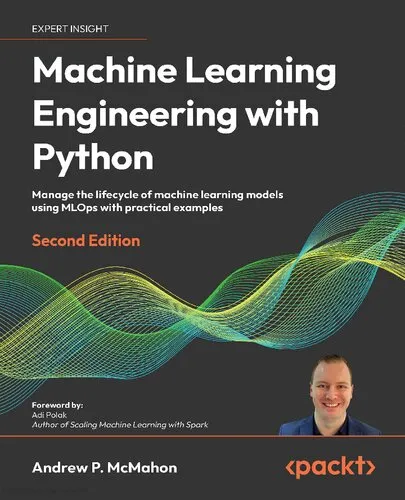
Machine Learning Engineering with Python: Manage the lifecycle of machine learning models using MLOps with practical examples
Andrew P. McMahon
English
Unordered
Artificial Intelligence (AI)
4.4 / 5
0 reviews
2023
Published
463
pages
466
views
Machine Learning Engineering with Python: Manage the lifecycle of machine learning models using MLOps with practical examples MLOps lifecycle management, Python machine learning engineering Explore Machine Learning Engineering with Python to master MLOps and model lifec
Before you read
What will you get from this book?
Analytical Summary
This book, “Machine Learning Engineering with Python: Manage the lifecycle of machine learning models using MLOps with practical examples,” serves as a definitive guide for data scientists, engineers, and researchers who aim to bridge the gap between prototype models and production-grade deployment. Drawing on industry-proven practices, it combines theoretical underpinnings, code-level clarity, and process-oriented thinking to deliver a resource equally valuable for academics, enterprise teams, and independent practitioners.
Rather than focussing solely on algorithmic theory, the text delves deeply into engineering considerations, detailing how to design, implement, test, deploy, monitor, and iterate machine learning models systematically. In doing so, it highlights MLOps — the emerging discipline that merges machine learning development with DevOps principles — as the core enabler of repeatable, resilient, and measurable machine learning outcomes.
Using the Python programming language as its primary tool, readers are led step-by-step through the full machine learning lifecycle. The narrative balances accessible explanations with technical depth, making it suitable both as a structured learning path and as an ongoing reference manual. Authoritative and grounded, the book’s guidance stems from widely accepted best practices, reinforced by clear practical examples and illustrative workflows.
Key Takeaways
By the end of the book, readers will gain a comprehensive understanding of the strategies, tools, and methodologies required to manage the applied lifecycle of machine learning systems effectively.
Essential takeaways include:
- A clear framework for integrating MLOps practices into existing data workflows.
- Detailed insights on how Python simplifies and accelerates machine learning engineering tasks.
- Techniques for robust model versioning, reproducibility, and monitoring in production environments.
- Practical approaches to collaboration between data scientists, machine learning engineers, and DevOps professionals.
- Guidance on selecting tools and services that align with both project goals and organisational constraints.
Memorable Quotes
“In machine learning engineering, the model is just the beginning; the system is the real product.” Unknown
“Operational excellence in ML comes from understanding both code and context.” Unknown
“Effective MLOps turns experimentation into production with confidence.” Unknown
Why This Book Matters
As organisations increasingly rely on data-driven decision-making, the gap between experimental machine learning work and operational deployment often becomes a bottleneck. This book directly tackles that challenge.
By embedding MLOps principles into every phase of model development, it provides professionals with the knowledge to maintain both velocity and quality as models evolve. Python’s versatility and widespread adoption make it an ideal companion in this journey, and the book’s examples showcase realistic patterns that can be adapted across industries.
For educators, the volume offers a curriculum-ready structure that encourages a holistic view: not just how to build models, but how to shepherd them responsibly in live environments. For practitioners, it delivers actionable guidance that can save time, prevent costly errors, and align teams around a common operational language.
Inspiring Conclusion
In “Machine Learning Engineering with Python: Manage the lifecycle of machine learning models using MLOps with practical examples,” the reader finds both a technical roadmap and a professional manifesto for responsible, scalable, and impactful machine learning in practice.
Whether you are an academic seeking a structured teaching aid, a professional intent on refining your production ML skills, or a researcher aiming to understand operational dynamics, this book provides the tools and perspectives to navigate the complexities of modern machine learning engineering. Clear, practical, and deeply relevant, it stands as a resource you can return to as technologies evolve and projects grow.
Read it, share its insights with your peers, and discuss its methods in your teams. The pace of the machine learning field shows no signs of slowing — and with the frameworks and practices outlined here, you’ll be positioned not just to keep up, but to lead.
Ask this book
Your question is answered in the context of this title and author. Each answer uses 2 points.
Sign in to ask the book assistant.
Reader reviews
0 reviews, 4.4 average out of 5
No reviews yet
If you have read this book, help the next reader with your experience.
Write a review
Sign in to publish a review.
Reader questions and answers
Ask a focused question and learn from the community.
Sign in to ask or answer a question.
No questions yet
Be the first to ask a clear, useful question.
What to read next
Related references that continue this learning path.