The Mathematical Experience, Study Edition
Philip J. Davis,Reuben Hersh,Elena Anne Marchisotto (auth.)
2012
View book
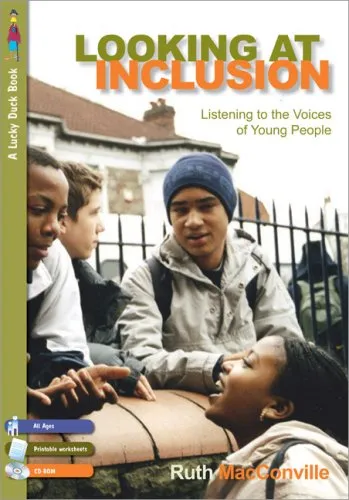
Book guide and evaluation
Ruth M Macconville
0 reviews
Published
pages
views
Introduction Inclusion is a term that is often discussed in educational, social, and policy-making contexts, but what does it really mean for the young people who are directly impacted by it? Looking at Inclusion: Listening to the Voices of Young People, authored by Ruth
Before you read
Inclusion is a term that is often discussed in educational, social, and policy-making contexts, but what does it really mean for the young people who are directly impacted by it? Looking at Inclusion: Listening to the Voices of Young People, authored by Ruth M Macconville, provides a thoughtful and deeply insightful exploration of inclusion as experienced by young individuals themselves. In a society striving to create equitable opportunities for all, this book emphasizes the importance of hearing—genuinely listening to—the thoughts, challenges, and aspirations of young people. Aimed at educators, policymakers, and those working in youth services, this book serves as both a guide and a call to action to make inclusion more than just a theoretical framework.
The cornerstone of Looking at Inclusion lies in its commitment to amplifying the voices of young people. Rather than imposing adult-centric perspectives on what inclusion should look like, the book dives into what it feels like for those navigating schools, communities, and social systems that claim to value inclusivity. Through interviews, case studies, and real-life experiences, the book highlights the barriers young people encounter when attempting to belong, thrive, and succeed.
Structured around core themes such as education, peer relationships, personal challenges, and systemic discrimination, this book takes a multidisciplinary approach. It considers not only academic inclusion but also the emotional, psychological, and social elements that contribute to a young person's well-being. Each chapter invites readers to critically evaluate their own understanding of inclusion and challenges them to reflect on how policies translate to lived experiences for young people.
The use of narrative storytelling makes this book especially compelling. The stories shared within its pages, filled with triumphs, struggles, and heartfelt aspirations, shape an authentic understanding of what it means to belong. Furthermore, the book doesn't shy away from difficult topics—disability, racial discrimination, poverty, mental health, and more—ensuring that the complexity of inclusion is fully represented.
"Inclusion is not simply about being present; it is about being valued, respected, and given the chance to contribute and grow."
"If we want young people to feel that they belong, we must first show them that their voices are heard and honored."
"Examining the barriers to inclusion starts with a willingness to confront uncomfortable truths about societal inequities."
In a world where inclusion has become a buzzword, this book cuts through the noise by focusing on real, unfiltered youth perspectives. Looking at Inclusion is crucial because it reminds us of the human element that is often overlooked in discussions about educational reform, diversity initiatives, and social equity. The voices of young people drive this narrative, underscoring the importance of co-creating solutions with those who are most directly affected by exclusion.
This book matters because it bridges the gap between theory and practice. It challenges educators, policymakers, and youth advocates to stop designing systems in a vacuum and instead engage in meaningful conversations with young people. It also equips readers with actionable strategies and real-world examples, making it not only a thought-provoking read but also a practical resource.
Ultimately, Looking at Inclusion contributes to ongoing discussions around social justice and equity, ensuring that the next generation of leaders feels empowered, embraced, and included. By focusing on inclusion from the perspective of young people, it provides an invaluable resource for anyone seeking to build a more inclusive society.
Your question is answered in the context of this title and author. Each answer uses 2 points.
0 reviews, 3.9 average out of 5
Sign in to publish a review.
Ask a focused question and learn from the community.
Related references that continue this learning path.
Philip J. Davis,Reuben Hersh,Elena Anne Marchisotto (auth.)
National Research Council; Committee on DoctoralandPostdoctoral Study in the United States

Jeffrey O. Bennett,Megan O. Donahue,Nicholas Schneider,Mark Voit