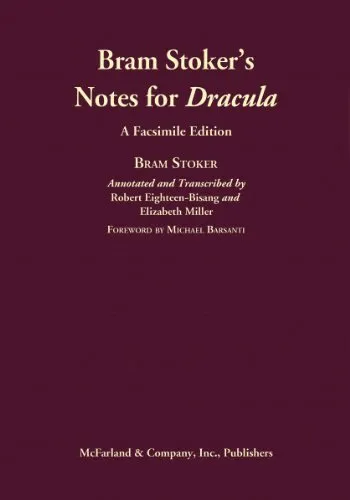
Bram Stoker's Notes for Dracula: A Facsimile Edition
Robert Eighteen-Bisang,Elizabeth Miller
2008
View book
Book guide and evaluation
Christopher Pelling
0 reviews
Published
pages
views
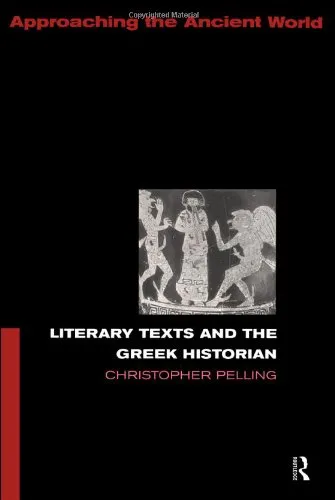
Welcome to Literary Texts and the Greek Historian, a pivotal work that navigates the intersection of literary analysis and historical inquiry in ancient Greek scholarship. This book by Christopher Pelling unravels the complexities of using literary texts as historical sources
Before you read
Welcome to Literary Texts and the Greek Historian, a pivotal work that navigates the intersection of literary analysis and historical inquiry in ancient Greek scholarship. This book by Christopher Pelling unravels the complexities of using literary texts as historical sources, providing invaluable insights for both historians and classicists.
In Literary Texts and the Greek Historian, Christopher Pelling delves into the intricate relationships between literary artistry and historical fact. The book systematically examines how Greek historians employed literary techniques within their narratives and the implications of these methods for historical accuracy and interpretation. Pelling explores a variety of texts, ranging from Herodotus and Thucydides to Xenophon and beyond. By critically assessing these works, the book highlights how literary elements such as narrative structure, character development, and thematic coherence can both illuminate and obfuscate historical reality.
Crucially, Pelling encourages readers to appreciate the dual role of these texts as both historical documents and literary compositions. He provides extensive analyses of specific passages, demonstrating how historians can tease out historical meaning from literary embellishment. Through detailed examination, the book presents a nuanced view that acknowledges the skill of ancient historians in crafting narratives that serve both literary and historical purposes.
"Historical truth and literary creativity are not mutually exclusive; rather, they coexist within the same narrative space."
"To navigate the world of the Greek historian, one must be fluent in both the language of literature and the rigor of historical analysis."
The significance of Literary Texts and the Greek Historian lies in its ability to bridge two seemingly disparate fields: history and literature. By highlighting the ways in which Greek historians leveraged literary forms to convey historical narratives, Pelling provides an essential framework for understanding ancient texts. For historians, classicists, and literary theorists alike, this book offers crucial methodologies for approaching ancient sources with a critical and discerning eye.
The work is particularly invaluable for those interested in the methodologies of historical research and the complex dynamics of ancient storytelling. It's not just a book for academia but serves a broader audience interested in the origins of historical narrative and the evolution of historiographical practices. By fostering greater appreciation for the artistry of Greek historical texts, Pelling's book enriches our understanding of both the past and the way it is remembered and narrated.
Your question is answered in the context of this title and author. Each answer uses 2 points.
0 reviews, 4.5 average out of 5
Sign in to publish a review.
Ask a focused question and learn from the community.
Related references that continue this learning path.
Robert Eighteen-Bisang,Elizabeth Miller