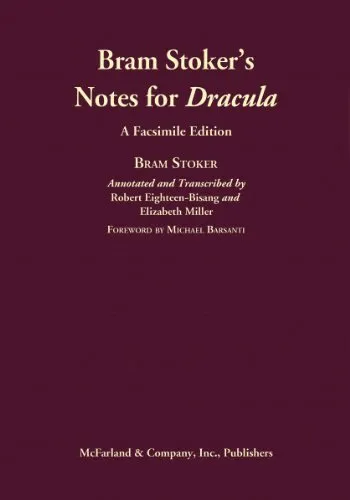
Bram Stoker's Notes for Dracula: A Facsimile Edition
Robert Eighteen-Bisang,Elizabeth Miller
2008
View book
Book guide and evaluation
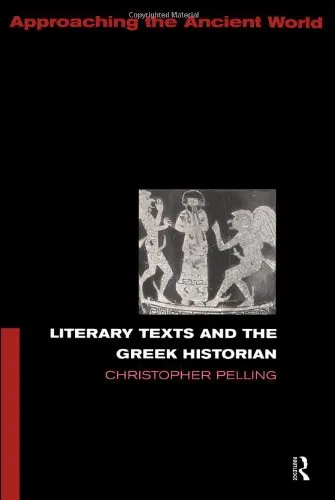
Christopher Pelling
0 reviews
Published
pages
views
Introduction Welcome to the intricate realm of Greek historiography, where the lines between literature and historical documentation often blur and intermingle. "Literary Texts and the Greek Historian," part of the "Approaching the Ancient World" series, is a seminal work that
Before you read
Welcome to the intricate realm of Greek historiography, where the lines between literature and historical documentation often blur and intermingle. "Literary Texts and the Greek Historian," part of the "Approaching the Ancient World" series, is a seminal work that explores the complex relationship between literary narratives and historical fact in ancient Greek texts. As we navigate this journey, we uncover how the great historians of Greece utilized literary techniques to enhance their recordings of history, offering not only facts but also enriching the cultural and intellectual tapestry of their time.
In "Literary Texts and the Greek Historian," Christopher Pelling delves into the methodologies of classical Greek historians such as Herodotus and Thucydides, examining how they crafted historical narratives that were as literary as they were factual. Pelling argues that historiography in ancient Greece was deeply intertwined with literary artistry, and understanding this symbiosis is key to appreciating the depth and complexity of those historical texts. The book is structured to guide readers through careful analysis and interpretation of ancient texts, focusing on the intricate mechanisms of storytelling employed by Greek historians.
The work invites readers to consider the motivations behind the narrative choices these historians made, the influences of the oral tradition, and the desire to appeal to their contemporary audiences. By adopting a literary lens to assess these historical accounts, Pelling uncovers layers of meaning and intent that might otherwise go unnoticed when approached solely from a modern historical perspective.
"The historian must tread the fine line between poet and chronicler, where creativity and fidelity to the truth intermingle."
"In every historical narrative, there is an underlying desire to engage with the past in a manner that is as enlightening as it is engaging."
The importance of "Literary Texts and the Greek Historian" lies in its innovative approach to classical Greek historiography. By positioning these ancient texts within both historical and literary frameworks, Pelling challenges traditional interpretations and invites modern readers to reassess commonly held perceptions of Greek history. The book serves as a crucial reminder of the multifaceted nature of historical narratives and the necessity of understanding the context in which they were produced.
This work is particularly significant for students and scholars of history, literature, and classical studies, as it provides tools to critically engage with ancient texts beyond surface-level analysis. By exploring the artistry behind historical writings, Pelling enriches the reader's perspective, offering a comprehensive understanding of how stories of the past are constructed and preserved through the ages.
Your question is answered in the context of this title and author. Each answer uses 2 points.
0 reviews, 4.5 average out of 5
Sign in to publish a review.
Ask a focused question and learn from the community.
Related references that continue this learning path.
Robert Eighteen-Bisang,Elizabeth Miller