
Book guide and evaluation
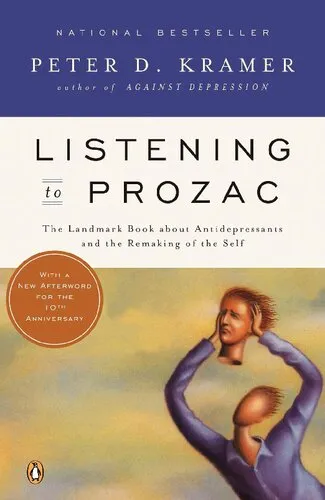
Listening to Prozac: The Landmark Book About Antidepressants and the Remaking of the Self, Revised Edition
Peter D. Kramer
English
Beginner
Psychiatry & Psychology
4.3 / 5
0 reviews
1997
Published
447
pages
427
views
Peter D. Kramer's "Listening to Prozac: The Landmark Book About Antidepressants and the Remaking of the Self, Revised Edition" offers an in-depth exploration of antidepressants, particularly Prozac, and their profound impact on our sense of self and identity. This seminal work
Before you read
What will you get from this book?
Peter D. Kramer's "Listening to Prozac: The Landmark Book About Antidepressants and the Remaking of the Self, Revised Edition" offers an in-depth exploration of antidepressants, particularly Prozac, and their profound impact on our sense of self and identity. This seminal work examines the implications of psychopharmacology on personality and happiness, posing challenging questions about the nature of emotion, authenticity, and mental health in the modern world.
Detailed Summary of the Book
In "Listening to Prozac," Peter D. Kramer delves into the transformative effects of Prozac, a selective serotonin reuptake inhibitor (SSRI) that was introduced in the late 1980s and quickly became a household name. Kramer, a psychiatrist, reflects on his clinical experiences with patients who were prescribed Prozac and observed dramatic changes in their personalities. Patients reported feeling more confident, optimistic, and socially connected, leading Kramer to question whether the drug was merely treating depression or fundamentally altering the self.
The book explores the ethical and philosophical implications of using medication to modify personality traits. Kramer asks whether we are enhancing our true nature or artificially manufacturing a new one. "Listening to Prozac" also addresses the societal pressure to conform to certain emotional standards and how Prozac might be used to fulfill these expectations, challenging the boundaries between therapy and cosmetic pharmacology.
Throughout the book, Kramer balances scientific discussion with narratives from real-life cases, making the complexities of pharmacology accessible to a general audience. He highlights how these medications are not just treatments for illness but powerful tools that can reshape how we perceive ourselves and interact with the world.
Key Takeaways
- The Self and Medication: Prozac doesn't just alleviate depression but can also enhance desirable personality traits, prompting questions about identity and authenticity.
- Ethical Considerations: The book challenges the reader to think critically about where we draw the line between therapeutic treatment and enhancement.
- Cultural Impact: Discusses the broader societal implications of widespread antidepressant use, including shifts in what is considered 'normal' emotional behavior.
- Scientific and Clinical Insights: Provides a nuanced look at the biological mechanisms behind SSRIs and their varied effects on individuals.
Famous Quotes from the Book
"Prozac had become more than an antidepressant; it had become a medicine to alter personality."
"When we change biochemistry, are we then changing character?"
Why This Book Matters
Kramer's "Listening to Prozac" remains a vital contribution to the conversation surrounding mental health and pharmaceutical intervention. At a time when mental illness is increasingly destigmatized and medication more common, the book's questions about identity, the ethics of personality enhancement, and the societal implications of widespread antidepressant use are more relevant than ever.
The book encourages readers to consider the potential consequences of blurring the line between treating pathology and enhancing personality. It asks whether enhancing certain traits chemically might diminish the value we place on diversity in human emotion and experience. By posing these questions, "Listening to Prozac" highlights the need for a nuanced understanding of what we seek in mental health treatment and what it means to live an authentic life.
"Listening to Prozac" provides a cautious, thoughtful approach to the complexities introduced by modern psychopharmacology. It is essential reading for anyone interested in psychology, psychiatry, or the broader implications of biological interventions on our conception of selfhood.
Ask this book
Your question is answered in the context of this title and author. Each answer uses 2 points.
Sign in to ask the book assistant.
Reader reviews
0 reviews, 4.3 average out of 5
No reviews yet
If you have read this book, help the next reader with your experience.
Write a review
Sign in to publish a review.
Reader questions and answers
Ask a focused question and learn from the community.
Sign in to ask or answer a question.
No questions yet
Be the first to ask a clear, useful question.
What to read next
Related references that continue this learning path.


Psychological Types: Why Are People So Different?: 64 Portraits in Socionics. How each of the 16 Jungian types varies in 4 main ways
Victor Gulenko,I J Goldman (editor)
2019
View book