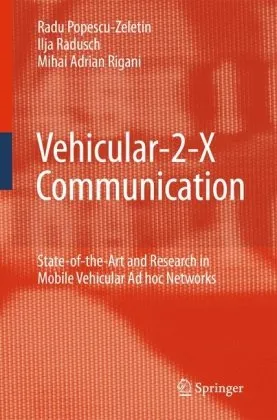
Vehicular-2-X Communication: State-of-the-Art and Research in Mobile Vehicular Ad hoc Networks
Radu Popescu-Zeletin,Ilja Radusch,Mihai Adrian Rigani (auth.)
2010
View book
Book guide and evaluation
Arun Maira [Maira,Arun]
0 reviews
Published
pages
views
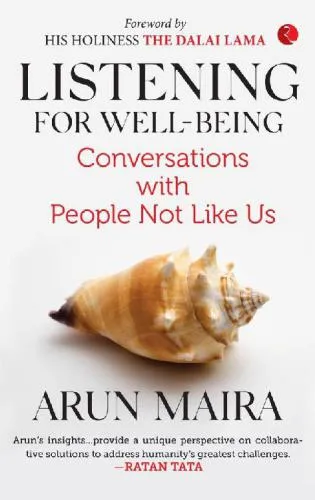
In today’s complex and rapidly changing world, the art of listening is an overlooked yet crucial skill for fostering collective well-being and progress. Arun Maira’s book, Listening for Well-Being: Conversations with People Not Like Us, emphasizes the transformative power o
Before you read
In today’s complex and rapidly changing world, the art of listening is an overlooked yet crucial skill for fostering collective well-being and progress. Arun Maira’s book, Listening for Well-Being: Conversations with People Not Like Us, emphasizes the transformative power of genuine listening in addressing societal challenges, improving relationships, and building a just and inclusive future. This book encourages readers to pause, reflect, and engage with others meaningfully, bridging divides and creating shared understanding in a time when it is most needed.
Arun Maira introduces readers to the importance of deep listening as a tool for fostering coexistence and harmony among diverse people and perspectives. The book is rooted in the belief that humanity’s progress is not measured purely by economic indicators or technological advancements, but by the collective well-being of individuals and societies. Maira argues that modern societal structures and systems often prioritize efficiency, competition, and growth at the expense of human interconnectedness and community well-being.
Through a series of reflective essays and thought-provoking stories, Maira examines how fragmented societies can reconnect through the simple act of listening. He emphasizes that listening requires more than just hearing. It means listening with humility, empathy, and the intent to understand instead of replying or solving. The book is enriched with anecdotes from Maira’s personal experiences, professional career, and encounters with people from different cultural and social backgrounds.
The author intertwines philosophy, psychology, and practical insights, making the case that listening is essential not only in interpersonal relationships but also in leadership, governance, and public policymaking. Leaders, especially, are urged to listen deeply to those they represent and include marginalized voices in conversations when creating solutions for the future.
"Real listening is a gift we can offer each other in moments of human connection. It is a way of saying, 'I see you, I hear you, and you matter to me.'"
"Progress isn’t about accumulating wealth or power. It’s about creating conditions for all lives to flourish."
"The future will not be built by those who shout the loudest, but by those who listen the deepest."
In an era marked by growing polarization, heightened individualism, and escalating global crises, Listening for Well-Being serves as a guidepost toward a more compassionate and sustainable future. Arun Maira’s insights resonate deeply with readers seeking to improve both their personal and professional lives through more thoughtful listening practices. The book holds particular relevance for leaders, change-makers, and anyone striving to create inclusive environments where all voices are valued and respected.
By blending philosophical insights with practical wisdom, Maira provides actionable guidance on how listening can transform not only relationships but also systems and societies. This call to action is not just about hearing others; it’s about internalizing the values of empathy, equity, and collaboration. It is essential reading for anyone who believes in the potential of humanity to evolve toward a future where well-being, not wealth, defines success.
Your question is answered in the context of this title and author. Each answer uses 2 points.
0 reviews, 4.5 average out of 5
Sign in to publish a review.
Ask a focused question and learn from the community.
Related references that continue this learning path.
Radu Popescu-Zeletin,Ilja Radusch,Mihai Adrian Rigani (auth.)

Michael John Burton,Daniel M. Shea