Book guide and evaluation
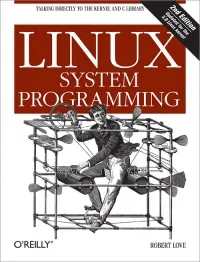
Linux System Programming, 2nd Edition: Talking Directly to the Kernel and C Library
Robert Love
English
Unordered
Technology
4.7 / 5
0 reviews
2013
Published
456
pages
741
views
The book "Linux System Programming, 2nd Edition: Talking Directly to the Kernel and C Library" stands as an essential guide for anyone aiming to grasp the intricacies of Linux system programming. Authored by Robert Love, this comprehensive edition is a must-read for developer
Before you read
What will you get from this book?
The book "Linux System Programming, 2nd Edition: Talking Directly to the Kernel and C Library" stands as an essential guide for anyone aiming to grasp the intricacies of Linux system programming. Authored by Robert Love, this comprehensive edition is a must-read for developers, engineers, and enthusiasts who are keen to deepen their understanding of Linux operating systems, from the ground up.
Detailed Summary of the Book
Robert Love's "Linux System Programming" provides a deep dive into the Linux kernel and C library, offering readers a foundational understanding of system-level programming. This second edition has been meticulously updated to address the latest advancements in Linux programming practices. It covers a broad array of topics such as file management, process control, threading, and much more.
The book begins with a solid introduction to Linux architecture, establishing a baseline understanding of how Linux differs from other operating systems. Love enlists real-world examples and a practical approach, allowing readers to see the application of theoretical concepts in actual coding scenarios. Whether it’s learning about memory allocation or tackling advanced topics like network programming and concurrency, the book serves as a hands-on guide replete with valuable insights and code samples that are directly applicable to real-world problems.
Key Takeaways
- Comprehensive understanding of the Linux kernel and C library.
- In-depth coverage of POSIX standards and their implications.
- Enhanced skills in file manipulation, process control, and threading.
- Practical exposure to networking and concurrency.
- Hands-on coding examples that help bridge theory with practice.
Famous Quotes from the Book
"Linux is not just an operating system; it's a philosophy that encourages transparency, efficiency, and collaboration."
"Understanding the internals and being able to write efficient, portable code is the key to unlocking Linux’s full potential."
Why This Book Matters
Linux System Programming is more than just a technical manual. It bridges the gap between mere coding and deep systems understanding, making it indispensable for those who aim to leverage Linux in their careers. Whether you're aiming to refine your skills or tackle system-level challenges effectively, this book offers the tools you need.
In a world where system performance and efficiency are paramount, understanding Linux's internals is crucial. This book provides that knowledge, empowering readers to optimize performance through better code practices. Moreover, given the open-source nature of Linux, comprehending its system programming interfaces aligns perfectly with industry trends emphasizing open development and innovation.
The structured approach of this publication ensures that it is not just theoretical but also intensely practical, making it a significant resource for anyone involved in Linux-based projects. Its commitment to clarity and comprehensiveness is why it remains a cornerstone in the libraries of system programmers worldwide.
Ask this book
Your question is answered in the context of this title and author. Each answer uses 2 points.
Sign in to ask the book assistant.
Reader reviews
0 reviews, 4.7 average out of 5
No reviews yet
If you have read this book, help the next reader with your experience.
Write a review
Sign in to publish a review.
Reader questions and answers
Ask a focused question and learn from the community.
Sign in to ask or answer a question.
No questions yet
Be the first to ask a clear, useful question.
What to read next
Related references that continue this learning path.
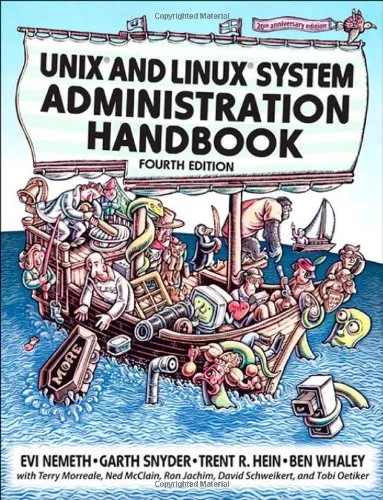
UNIX and Linux System Administration Handbook (4th Edition)
Evi Nemeth,Garth Snyder,Trent R. Hein,Ben Whaley
2010
View book