Book guide and evaluation
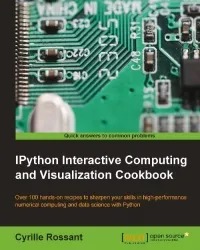
Learning IPython for Interactive Computing and Data Visualization: Learn IPython for interactive Python programming, high-performance numerical computing, and data visualization
Cyrille Rossant
English
Advanced
Data Science
4.0 / 5
0 reviews
2013
Published
138
pages
546
views
Introduction to "Learning IPython for Interactive Computing and Data Visualization" In the fast-evolving world of data science and computational research, efficiency and adaptability are paramount. "Learning IPython for Interactive Computing and Data Visualizat
Before you read
What will you get from this book?
Introduction to "Learning IPython for Interactive Computing and Data Visualization"
In the fast-evolving world of data science and computational research, efficiency and adaptability are paramount. "Learning IPython for Interactive Computing and Data Visualization" provides a gateway into the world of high-performance numerical computing and data visualization, equipping readers with the skills to leverage IPython's powerful capabilities.
Detailed Summary of the Book
The book serves as a comprehensive guide for both beginners and seasoned programmers looking to enhance their data analysis and computational capabilities using IPython. It starts with a gentle introduction to IPython and its enhanced interactive Python shell that enables increased productivity and flexibility in coding practices. Through detailed exploration, readers will learn how to harness the power of IPython notebooks, which offer an intuitive way to combine executable code, rich text, and visualizations in a single document.
Progressing from basics to advanced concepts, the book covers the essentials of numerical computing and data manipulation with libraries like NumPy and pandas. It offers a deep dive into scientific computing, providing clear examples and explanations on how to perform complex numerical computations efficiently. The book also examines visualization tools, showing how to craft insightful graphics using matplotlib and other visualization libraries, to make data visually accessible and comprehensible.
Furthermore, the book presents methods for optimizing code performance and scaling up tasks. From parallel computing to integrating IPython with other programming languages for broader functionality, it offers practical techniques that are applicable to real-world scenarios.
Key Takeaways
- Understand and utilize IPython's interactive features to enhance coding efficiency.
- Gain competence in data manipulation and analysis using powerful Python libraries.
- Develop skills in visualizing data through Python's visualization capabilities.
- Learn to optimize and parallelize code for high-performance computing tasks.
- Explore integration techniques with other technologies to broaden IPython's applications.
Famous Quotes from the Book
"In the realm of interactive computing, the ability to see immediate results transforms the programming landscape, turning abstract code into tangible insights."
"Visualization is the lens through which we interpret data—a bridge between raw numbers and human understanding."
Why This Book Matters
The significance of "Learning IPython for Interactive Computing and Data Visualization" lies in its ability to demystify complex topics and provide actionable knowledge in interactive computing—a field crucial for data scientists, engineers, and researchers alike. As we move deeper into the age of big data and machine learning, the skills imparted by this book become increasingly valuable. Through clear, concise writing and practical examples, the book empowers its readers to transform data into powerful narratives, making them adept at tackling challenges in a variety of data-driven domains.
Moreover, the book positions itself as a vital resource in the educational and professional landscape, fostering a deeper understanding of the tools and methods that are shaping the future of computing.
Ask this book
Your question is answered in the context of this title and author. Each answer uses 2 points.
Sign in to ask the book assistant.
Reader reviews
0 reviews, 4.0 average out of 5
No reviews yet
If you have read this book, help the next reader with your experience.
Write a review
Sign in to publish a review.
Reader questions and answers
Ask a focused question and learn from the community.
Sign in to ask or answer a question.
No questions yet
Be the first to ask a clear, useful question.
What to read next
Related references that continue this learning path.