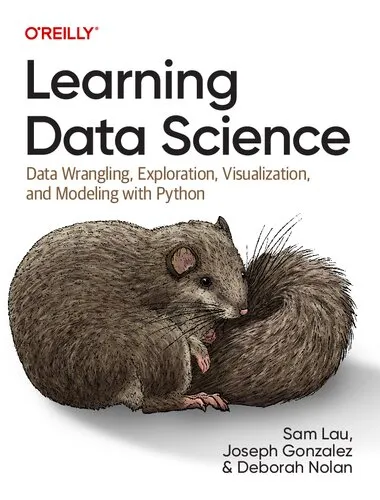
Introduction to "Learning Data Science: Data Wrangling, Exploration, Visualization, and Modeling with Python"
Data science has become one of the most transformative disciplines in recent years, shaping the decisions of individuals, organizations, and governments alike. With the increasing demand for skilled professionals who can harness the power of data, "Learning Data Science" serves as a comprehensive guide for anyone looking to enter or advance in this dynamic field. Written by Sam Lau, Joseph Gonzalez, and Deborah Nolan, this book combines practical techniques, theoretical insights, and hands-on examples to help readers navigate the entire data science workflow. Built on Python's powerful ecosystem, it equips learners with tools and methods to uncover insights from data, make informed decisions, and communicate their findings effectively.
Detailed Summary of the Book
At its core, "Learning Data Science" provides a structured approach to mastering the essential skills of a modern data scientist. The book is divided into logical sections, each focusing on specific phases of the data science process. Starting with data wrangling, readers will learn how to clean, transform, and organize raw data into a form suitable for analysis. This foundational step sets the stage for impactful exploration and visualization, which are crucial for identifying patterns and trends.
Subsequent chapters delve into statistical modeling and machine learning, offering a robust introduction to predictive modeling techniques. Practical examples are combined with theoretical explanations, ensuring that readers grasp the "why" behind the methods they use. The authors skillfully weave together programming, mathematics, and domain expertise, presenting Python as a user-friendly yet powerful tool to achieve objectives within the data science workflow. Along the way, the book emphasizes good coding practices, reproducibility, and critical thinking—all essential traits for effective data scientists.
Advanced topics such as evaluating model performance, working with big data, and ethical considerations in data science are covered as well. The book's clear writing, carefully structured exercises, and Python code snippets make it accessible to both beginners and experienced professionals seeking to refresh their knowledge or learn the latest techniques.
Key Takeaways
- Learn the entire data science workflow from start to finish, including data wrangling, exploration, visualization, and modeling.
- Master Python programming for data science, utilizing libraries like pandas, NumPy, Matplotlib, and scikit-learn.
- Understand statistical principles and machine learning models that drive decision-making and predictions.
- Engage with hands-on practice using real-world data sets for a practical, application-driven learning experience.
- Explore ethical considerations and responsible practices in data science projects.
- Develop skills for communicating insights effectively to stakeholders using visual tools and storytelling techniques.
Famous Quotes from the Book
"Data science is not just about numbers; it's about turning numbers into stories that drive impactful decisions."
"The magic of data science lies in its ability to reveal invisible patterns—the clues hidden beneath the surface of information."
"Good data scientists are not just coders—they are detectives, explorers, and storytellers rolled into one."
Why This Book Matters
The importance of "Learning Data Science" extends beyond its utility as a technical guide. In a world increasingly driven by data, professionals who understand how to extract meaning and value from information are more critical than ever. This book empowers readers with the fundamental skills needed to thrive in data-intensive environments, bridging the gap between technical expertise and practical application.
Additionally, the authors recognize that data science is not just about technical mastery but also about ethical considerations and effective communication. By incorporating discussions on biases, fairness, and transparency, they ensure that readers approach data analysis responsibly and thoughtfully. The emphasis on storytelling and visualization further highlights the importance of translating technical findings into actionable insights for diverse audiences.
Whether you're an aspiring data scientist, an analyst seeking to sharpen your skills, or a seasoned professional looking to stay updated, "Learning Data Science" provides the knowledge, tools, and inspiration needed to achieve your goals. Its combination of rigor, accessibility, and relevancy makes it a cornerstone resource in the rapidly evolving field of data science.

![Cover of DATA SCIENCE FROM SCRATCH: From Data Visualization To Manipulation. It Is The Easy Way! All You Need For Business Using The Basic Principles Of Python And Beyond [REVISED & EXPANDED EDITION]](https://s3.refhub.ir/images/thumb/DATA_SCIENCE_FROM_SCRATCH__From_Data_Visualiz_4549.webp)