

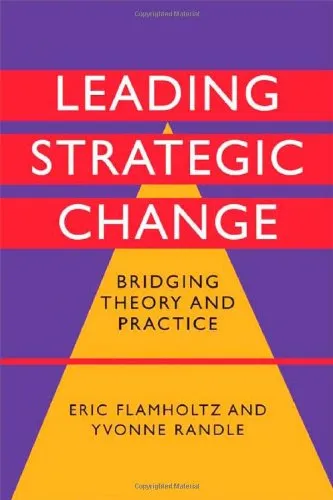
Book guide and evaluation
Leading Strategic Change: Bridging Theory and Practice
Eric Flamholtz,Yvonne Randle
English
Intermediate
novel
4.5 / 5
0 reviews
2008
Published
284
pages
510
views
Introduction to 'Leading Strategic Change: Bridging Theory and Practice' Strategic change is an essential element for the success and longevity of any organization. Yet, implementing change, especially on a strategic scale, can be overwhelming and, if not handl
Before you read
What will you get from this book?
Introduction to 'Leading Strategic Change: Bridging Theory and Practice'
Strategic change is an essential element for the success and longevity of any organization. Yet, implementing change, especially on a strategic scale, can be overwhelming and, if not handled properly, may result in failure. In 'Leading Strategic Change: Bridging Theory and Practice', we delve into the dynamics of this complex process, merging academic insight with practical application to enable leaders to navigate and implement change successfully.
Detailed Summary of the Book
In this insightful book, we explore the multifaceted nature of strategic change, offering a comprehensive framework that combines theoretical foundations with practical strategies. Our goal is not merely to offer another management theory but to equip leaders with actionable steps. The book is structured to address real-world challenges, providing a toolkit that helps translate strategic concepts into actionable plans.
Comprising a series of illustrative case studies and practical examples, we illustrate the pathways for successful implementation of strategic change. Topics such as change leadership, organizational culture, and resistance to change are addressed with depth, advocating for a balanced approach that considers both the people and procedural aspects of change.
Throughout, we emphasize the role of leadership in managing strategic change, presenting effective ways to engage and motivate teams. Readers will gain insights into how leaders can harness their influence to steer organizational vision, ensuring alignment with strategic goals.
Key Takeaways
- Understanding the intricate relationship between theory and practice in strategic change.
- Developing actionable frameworks to overcome resistance and drive change.
- Emphasizing the crucial role of leadership and organizational culture in successful change initiatives.
- Practical case studies illustrating successful strategic change across various industries.
- Identifying common pitfalls in strategic change and strategies to mitigate them.
Famous Quotes from the Book
"Change is not a destination; it’s a journey where leadership sets the course and culture fuels the engine."
"Leaders do not create change, they guide it through the complexities of human behavior and organizational inertia."
Why This Book Matters
In today's rapidly evolving business landscape, adaptability is crucial for survival. Organizations that fail to adjust their strategies often fall behind. 'Leading Strategic Change: Bridging Theory and Practice' stands as a vital resource for those aiming to remain competitive and innovative. By providing a bridge between academic theory and practical application, this book offers a fresh perspective that is both profound and immediately applicable.
It matters because it equips leaders not only with the knowledge of strategic change but also the wisdom to apply that knowledge effectively. Given the dynamic nature of the global market, having a thorough, well-integrated strategy for managing change can be the difference between thriving and merely surviving.
Ask this book
Your question is answered in the context of this title and author. Each answer uses 2 points.
Sign in to ask the book assistant.
Reader reviews
0 reviews, 4.5 average out of 5
No reviews yet
If you have read this book, help the next reader with your experience.
Write a review
Sign in to publish a review.
Reader questions and answers
Ask a focused question and learn from the community.
Sign in to ask or answer a question.
No questions yet
Be the first to ask a clear, useful question.
What to read next
Related references that continue this learning path.

The Ride of a Lifetime: Lessons Learned from 15 Years as CEO of the Walt Disney Company
Robert Iger;Joel Lovell
2019
View book
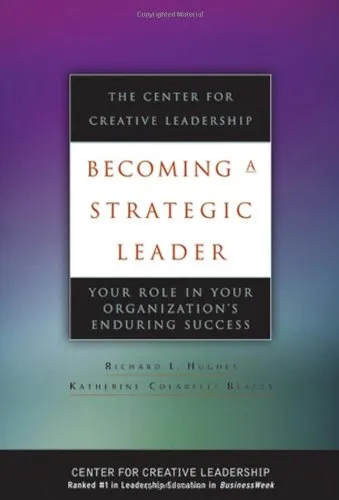
Becoming a strategic leader: your role in your organization's enduring success
Richard L. Hughes,Katherine M. Beatty
2005
View book