Book guide and evaluation
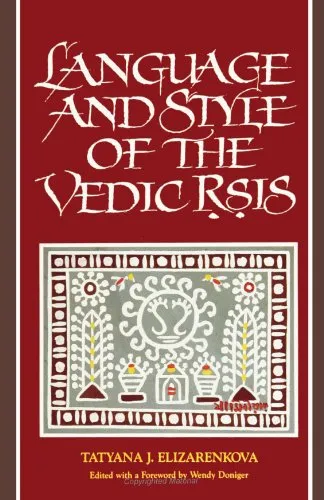
Language and Style of the Vedic Rsis
Tatyana J. Elizarenkova
English
Beginner
Essays
4.7 / 5
0 reviews
1994
Published
354
pages
449
views
Language and Style of the Vedic Rsis Vedic philology, Sanskrit literary analysis Language and Style of the Vedic Rsis is a seminal work exploring Vedic Sanskrit's poetics and linguistic intricacies. Analytical Summary The Language and Style of the Vedic Rsis stands as a met
Before you read
What will you get from this book?
Analytical Summary
The Language and Style of the Vedic Rsis stands as a meticulous study of the poetic, linguistic, and stylistic features inherent in the earliest layer of Sanskrit literature—the Vedic hymns. Authored by Tatyana J. Elizarenkova, an eminent scholar in Indology and Vedic philology, the book delves into the textual subtleties and compositional techniques employed by the Ṛsis (sages), those ancient seers whose voices shaped the textual fabric of the Rigveda and related collections.
This volume is distinguished by its rigorous philological approach, blending linguistic analysis with interpretative insight. Through detailed examination of syntax, semantics, and prosody, Elizarenkova reconstructs the aesthetic principles that guided Vedic poets. The work illuminates not only the mechanics of Vedic composition but also the cultural context in which these texts were articulated, preserving the sacred oral traditions for future generations.
For scholars, researchers, and linguists, the study offers foundational frameworks for understanding how language and style evolved during the formative stages of Sanskrit literature. Here, the primary keyword—Language and Style of the Vedic Rsis—is not merely a title, but a thematic mission to uncover the interplay between linguistic form, religious function, and poetic craft.
Key Takeaways
Readers will emerge from this book with a nuanced comprehension of Vedic poetic structure and the Ṛsis' remarkable mastery over linguistic expression. Each takeaway draws from exhaustive textual analysis and comparative philology.
Firstly, the oral tradition deeply influenced both the stylistic choices and mnemonic devices embedded within the hymns. Secondly, symbolic and ritualistic significance guided word selection, metre, and syntactic arrangement. Thirdly, Vedic philology provides tools to decode the layered meanings coded in seemingly simple expressions. Lastly, stylistic complexity in Vedic texts is inseparable from their spiritual import.
Memorable Quotes
While this work is primarily scholarly, it contains reflections that encapsulate its intellectual spirit and interpretative depth.
The Vedic poet combined precision of expression with the sacred purpose of invocation.Unknown
Language in the Rigveda is both a tool of communication and a vessel of divine resonance.Unknown
Understanding style is inseparable from understanding the mind of the Ṛsi.Unknown
Why This Book Matters
In the academic landscape of Vedic philology, few works achieve the depth and precision realized here. The Language and Style of the Vedic Rsis provides a vital bridge between linguistic structure and literary artistry.
This book matters because it enables contemporary readers—both scholars and serious enthusiasts—to grasp the ways in which ancient poets navigated complex linguistic possibilities to encode spiritual and ritual truths. It elevates philological inquiry by demonstrating how language functions not as an inert medium but as a dynamic force woven into the cultural fabric of ancient India.
For researchers in Sanskrit literary analysis and comparative linguistics, Elizarenkova's insights are invaluable. They also prove indispensable for anyone seeking to preserve and critically engage with one of humanity's oldest poetic heritages.
Inspiring Conclusion
The Language and Style of the Vedic Rsis is more than an academic study; it is an invitation to participate in a continuing dialogue on the artistry of Vedic Sanskrit.
Through its authoritative analysis and respect for the oral tradition, this book continues to inspire scholars and lovers of ancient literature alike. Vedic philology and Sanskrit literary analysis are here not as distant, academic abstractions, but as living disciplines that connect us to the voices of the Ṛsis. Readers are encouraged to engage deeply with the text—read it, share insights with peers, and contribute to scholarly discussions—ensuring that the profound legacy of Vedic style and language remains vibrant for generations yet to come.
Ask this book
Your question is answered in the context of this title and author. Each answer uses 2 points.
Sign in to ask the book assistant.
Reader reviews
0 reviews, 4.7 average out of 5
No reviews yet
If you have read this book, help the next reader with your experience.
Write a review
Sign in to publish a review.
Reader questions and answers
Ask a focused question and learn from the community.
Sign in to ask or answer a question.
No questions yet
Be the first to ask a clear, useful question.
What to read next
Related references that continue this learning path.