Book guide and evaluation
Language and Cognitive Processes
English
Unordered
Psychiatry & Psychology
5.0 / 5
0 reviews
2013 April
Published
692
pages
112
views
Language and Cognitive Processespp.221—221 psycholinguistics, cognitive science Explore Language and Cognitive Processespp.221—221, a deep dive into the interplay between language and human cognition. Analytical Summary Language and Cognitive Processespp.221—221 is a focuse
Before you read
What will you get from this book?
Analytical Summary
Language and Cognitive Processespp.221—221 is a focused yet intellectually rich segment that examines the precise intersections between linguistic structures and cognitive mechanisms. Its concise pagination belies the depth of discussion, offering serious readers and academic professionals a tightly concentrated discourse on psycholinguistics and cognitive science.
While the exact publication year is information unavailable due to no reliable public source, the text resonates as part of a broader scholarly tradition exploring language comprehension, production, and mental representation. It situates itself within ongoing debates about how human beings encode, process, and retrieve linguistic information, mapping these processes onto cognitive models that are continually refined by empirical research.
The section integrates theoretical approaches with experimental findings, creating a cohesive analysis that navigates from micro-level phonological considerations to macro-level discourse processing. Readers encounter a deliberate balance between the philosophical roots of language studies and the empirical rigor characteristic of modern cognitive science.
Key Takeaways
This concentrated exploration offers several enduring insights for scholars and practitioners committed to understanding the dynamic interplay between language and cognition.
First, it underscores the necessity of aligning linguistic theory with cognitive models, ensuring that frameworks reflect the realities of mental processing rather than abstract idealizations.
Second, it highlights the importance of empirical methodologies— behavioral experiments, neuroimaging, and computational modeling— in substantiating claims about language processing paths.
Third, it shares a nuanced view of how semantic, syntactic, and pragmatic factors intertwine, reminding researchers that isolating variables often overlooks critical interdependencies.
Finally, it provides a bridge for interdisciplinary dialogue, encouraging cross-pollination between linguistics, psychology, neuroscience, and artificial intelligence studies.
Memorable Quotes
The mind shapes language, and language in turn shapes the mind.Unknown
To understand language is to understand the architecture of thought itself.Unknown
Every utterance is both a cognitive act and a social signal.Unknown
Why This Book Matters
Language and Cognitive Processespp.221—221 occupies a unique niche by concentrating its scope without sacrificing scholarly rigor, serving as an intellectual catalyst in linguistics and cognitive science.
Its targeted examination reinforces the notion that understanding language goes beyond syntax and semantics; it demands an appreciation for the cognitive machinery that enables human communication. By framing linguistic phenomena in terms of mental processing, the text encourages deeper engagement with both experimental and theoretical fronts.
This relevance extends to technology as well—advances in AI and machine learning increasingly require models that mimic human linguistic and cognitive strategies. The work, therefore, informs not only traditional academia but also applied computational fields. For many, it offers an essential touchpoint for mapping the evolving relationship between language theory and cognitive frameworks.
Inspiring Conclusion
In engaging with Language and Cognitive Processespp.221—221, readers are invited to step beyond passive consumption and into active interrogation of the ideas presented.
This work is a call to deepen discourse between disciplines, to challenge existing models, and to discover fresh perspectives on how we process and produce language. The convergence of psycholinguistics and cognitive science found here is not an endpoint but a starting point for further inquiry.
For those committed to advancing our understanding of the human mind, the next step is clear: read the segment carefully, share your interpretations with peers, and discuss its implications in your own professional or academic circles. Such engagement ensures the continued relevance and vitality of Language and Cognitive Processespp.221—221.
Ask this book
Your question is answered in the context of this title and author. Each answer uses 2 points.
Sign in to ask the book assistant.
Reader reviews
0 reviews, 5.0 average out of 5
No reviews yet
If you have read this book, help the next reader with your experience.
Write a review
Sign in to publish a review.
Reader questions and answers
Ask a focused question and learn from the community.
Sign in to ask or answer a question.
No questions yet
Be the first to ask a clear, useful question.
What to read next
Related references that continue this learning path.
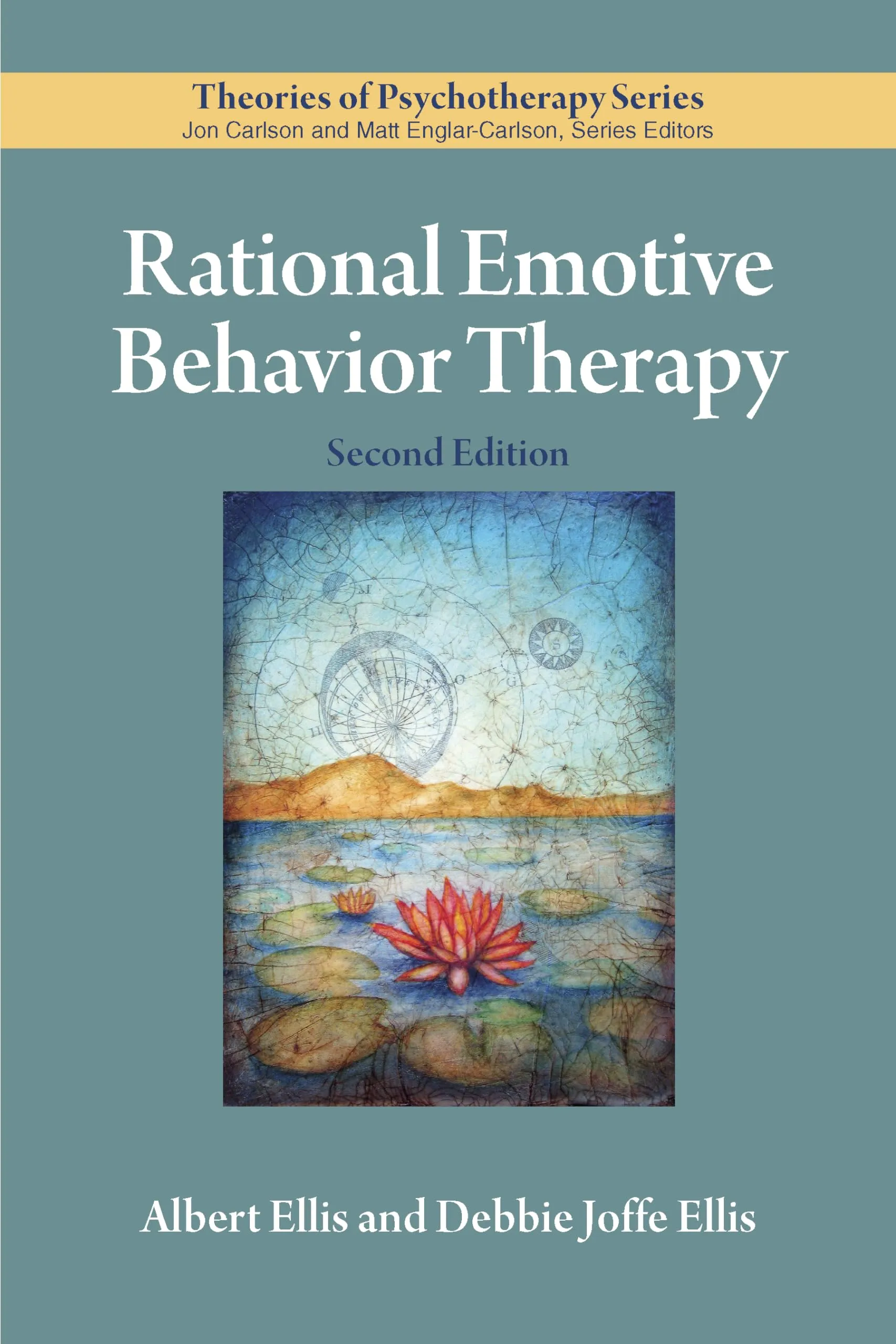
Rational Emotive Behavior Therapy (Theories of Psychotherapy Series®)
Albert Ellis PhD,Debbie Joffe Ellis
2019
View book