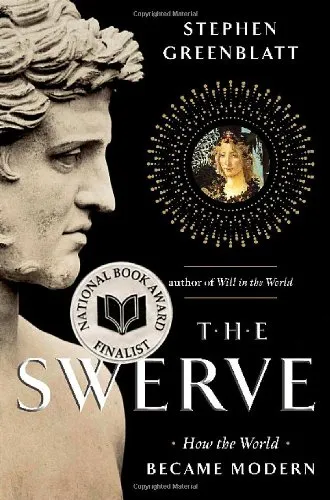

Book guide and evaluation
Journal for Eighteenth-Century Studies
Jack Russell Weinstein
English
Unordered
Essays
5.0 / 5
0 reviews
2011 July 15
Published
0
pages
479
views
Introduction to "Journal for Eighteenth-Century Studiespp.403—408" Welcome to an in-depth exploration of the book "Journal for Eighteenth-Century Studiespp.403—408", an essential contribution to understanding the profound philosophical, historical, and cultural undertaking
Before you read
What will you get from this book?
Introduction to "Journal for Eighteenth-Century Studiespp.403—408"
Welcome to an in-depth exploration of the book "Journal for Eighteenth-Century Studiespp.403—408", an essential contribution to understanding the profound philosophical, historical, and cultural undertakings of the eighteenth century. Written by Jack Russell Weinstein, this text not only delves into the intellectual movements of the period but also offers a nuanced approach to understanding the era through its critical thinkers, writers, and groundbreaking ideas. This introduction will provide key insights into the book's detailed summary, its core takeaways, noteworthy quotes, and the larger significance of this seminal work in modern scholarship.
Detailed Summary of the Book
"Journal for Eighteenth-Century Studiespp.403—408" is a meticulously crafted examination of the intellectual currents that defined the Enlightenment era. The book combines historical analysis with philosophical reflections to illuminate key themes such as individual liberty, the rise of Reason, political revolutions, and evolving societal norms. Weinstein approaches the eighteenth century with an interdisciplinary perspective, weaving together threads from literature, philosophy, history, and sociology to present a wholly integrated narrative of the era's progress and contradictions.
The book is divided into comprehensive sections, each highlighting critical developments within the century. From the influence of figures like Voltaire, Rousseau, and Kant to lesser-known but equally valuable thinkers, Weinstein paints a vivid picture of how ideas transformed societies around the globe. The text particularly emphasizes the Enlightenment's legacy of questioning authority and advocating for the betterment of humanity, a pursuit as relevant today as it was during the era itself.
Through close readings of key texts and debates, the book challenges the reader to rethink traditional narratives about the eighteenth century, demonstrating how this period laid the groundwork for modern democracy, science, and human rights. Overall, Weinstein doesn't merely recount historical truths but actively engages with them, encouraging us to consider how the Enlightenment still shapes our identities and moral compass.
Key Takeaways
- The eighteenth century was foundational for intellectual movements that continue to inform contemporary thought, including the valorization of individual freedoms and rights.
- The Enlightenment was as much a period of collaboration and dialogue as it was of competing ideologies and tensions, reflecting complex social, political, and philosophical changes.
- Great thinkers like Voltaire, Hume, and Rousseau not only shaped their cultural histories but offered lessons that remain applicable in addressing modern challenges.
- Weinstein underscores the importance of understanding history not as a static entity but as an evolving dialogue, echoing the idea that understanding the past is key to understanding the present.
- The eighteenth century laid the groundwork for critical institutions and values, such as modern democracy, scientific inquiry, and the pursuit of human equality, demonstrating its lasting significance.
Famous Quotes from the Book
The text includes many memorable passages that serve as profound insights for readers. Here are just a few:
"To walk the roads of the eighteenth century is to traverse paths that lead to the foundation of who we are today—free-thinking, questioning, and unyielding in pursuit of progress."
"Reason is the thread that binds centuries together; without it, truth is but a passenger in the chaos of time."
"The Enlightenment challenged us to imagine the impossible—a world governed by reason and justice. That pursuit must endure."
Why This Book Matters
Weinstein's "Journal for Eighteenth-Century Studiespp.403—408" is not just another historical analysis; it's an invitation to engage with one of the most transformative periods in human history. This book matters because it underscores the relevance of the Enlightenment in our contemporary global context, urging us not to take for granted the freedoms and ideas we often assume are permanent.
In an age where truth is frequently contested and the coherence of rational discourse is challenged, the lessons of the eighteenth century remind readers of the importance of defending intellectual rigor, freedom of thought, and universal human rights. Weinstein's work is a timely call to revisit the tenets of Reason and progress, ensuring that the ideals of the past continue to illuminate a path toward a just and equal future. This book serves as both a gateway to historical reflection and a bridge to the urgent debates that define our world today.
Ultimately, "Journal for Eighteenth-Century Studiespp.403—408" is an essential read for anyone seeking a deeper understanding of how history influences the present and for those determined to ensure the Enlightenment values endure for generations to come.
Ask this book
Your question is answered in the context of this title and author. Each answer uses 2 points.
Sign in to ask the book assistant.
Reader reviews
0 reviews, 5.0 average out of 5
No reviews yet
If you have read this book, help the next reader with your experience.
Write a review
Sign in to publish a review.
Reader questions and answers
Ask a focused question and learn from the community.
Sign in to ask or answer a question.
No questions yet
Be the first to ask a clear, useful question.
What to read next
Related references that continue this learning path.
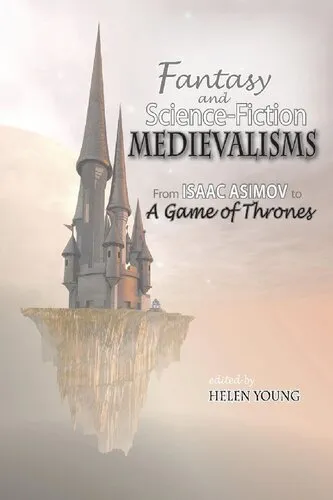
Fantasy and Science Fiction Medievalisms: From Isaac Asimov to A Game of Thrones
Helen Young (editor)
2015
View book
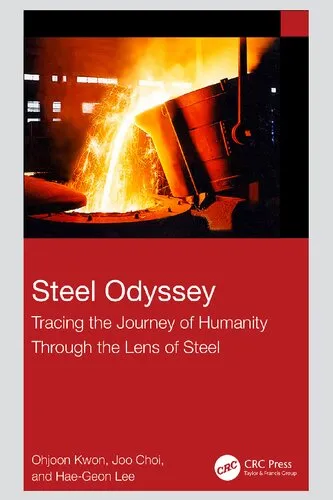
Steel Odyssey: Tracing the Journey of Humanity Through the Lens of Steel
Ohjoon Kwon,Joo Choi,Hae-Geon Lee
2024
View book