

Book guide and evaluation
Introduction to Game Development Using Processing
James R. Parker
English
Beginner
Software Engineering
4.5 / 5
0 reviews
2014
Published
343
pages
234
views
Introduction to the Book "Introduction to Game Development Using Processing" is a comprehensive guide designed for beginners who want to dive into the world of game development. Written by James R. Parker, this book combines engaging explanations, practical example
Before you read
What will you get from this book?
Introduction to the Book
"Introduction to Game Development Using Processing" is a comprehensive guide designed for beginners who want to dive into the world of game development. Written by James R. Parker, this book combines engaging explanations, practical examples, and hands-on exercises to make learning easy and enjoyable. Processing, a flexible software sketchbook and programming language for the visual arts, serves as the main platform to guide users in building functional games from scratch. By the end of this book, readers will gain a deep understanding of game mechanics, coding fundamentals, and the creative process required to bring interactive games to life.
Unlike traditional technical manuals, this book is designed to foster creativity while guiding users in developing their technical skills incrementally. Whether you're an aspiring game developer, a teacher incorporating programming into classrooms, or a hobbyist curious about creating basic games, this book welcomes you with open arms. Let's explore the contents and unique value of this guide.
Detailed Summary of the Book
What can you expect to learn from this book?
This book starts with the essentials, introducing the Processing development environment, programming basics, and the tools necessary for game design. Each chapter gradually builds on the previous one, helping readers understand core concepts such as drawing graphics, creating animations, managing game states, and handling user interactions.
As you progress through the book, advanced topics like collision detection, physics simulation, and gameplay loops are demystified through practical projects. By developing games step-by-step, readers not only learn to write code but also gain resources for debugging and optimizing their games. The hands-on exercises and projects ensure that you don’t just read about game development—you actively create it.
Some of the key games you’ll build include basic platformers, puzzles, and dynamic arcade-style games. These projects emphasize essential game development principles while remaining accessible to beginners who may have little to no prior programming experience.
Key Takeaways from the Book
- Learn the fundamentals of Processing, a beginner-friendly language for graphic programming.
- Understand essential game development concepts like gameplay mechanics, animations, and interactivity.
- Master coding principles such as variables, loops, functions, and object-oriented programming.
- Design and build 2D games from start to finish through guided tutorials and projects.
- Debug and optimize your game for a smoother user experience.
- Foster creativity and logical thinking in both beginners and intermediate developers.
- Develop transferable skills applicable to other programming languages and platforms.
Famous Quotes from the Book
The following quotes encapsulate the ethos of the book:
"Game development is about balance—the harmony between creativity and logic, art and algorithms."
"A great game developer isn’t necessarily someone who writes complicated code, but someone who writes meaningful experiences."
Why This Book Matters
Game development is one of the most creative and dynamic fields in the tech industry. However, many beginners shy away from pursuing game design due to the steep learning curve associated with complex engines and programming languages. This book changes the narrative.
By using Processing, a beginner-friendly language, the book provides a gentle introduction to game development while still covering key concepts that underlie professional-level game design. It empowers readers to think like developers without being overwhelmed by technology. Furthermore, Processing's visual orientation makes learning interactive and fun, which is essential for growing one's passion for coding.
The step-by-step approach ensures individuals with no prior programming knowledge are not left behind, while also providing a solid foundation for pursuing more advanced concepts in game design. This book is crucial as it bridges the gap between creativity and technology, and it encourages people from diverse backgrounds to see game development as attainable and exciting.
Ask this book
Your question is answered in the context of this title and author. Each answer uses 2 points.
Sign in to ask the book assistant.
Reader reviews
0 reviews, 4.5 average out of 5
No reviews yet
If you have read this book, help the next reader with your experience.
Write a review
Sign in to publish a review.
Reader questions and answers
Ask a focused question and learn from the community.
Sign in to ask or answer a question.
No questions yet
Be the first to ask a clear, useful question.
What to read next
Related references that continue this learning path.
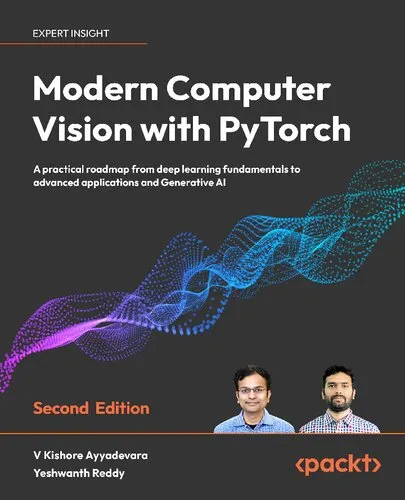
Modern Computer Vision with PyTorch: A Practical Roadmap From Deep Learning Fundamentals to Advanced Applications and Generative AI, 2nd Edition
V Kishore Ayyadevara,Yeshwanth Reddy
2023
View book