Loading
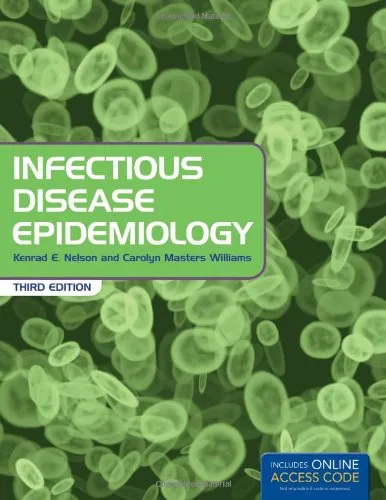
Cover of Infectious Disease Epidemiology: Theory and Practice

Book guide and evaluation

Infectious Disease Epidemiology: Theory and Practice

Kenrad E. Nelson,Carolyn Masters Williams

English Beginner Medical
4.6 / 5

0 reviews

2012

Published

981

pages

464

views

Now in its third edition, this comprehensive volume is recognized as the most authoritative review of the epidemiology of infectious disease. Divided into five sections that cover methods in infectious disease epidemiology, airborne transmission, diarrheal diseases, blood and bod

Before you read

What will you get from this book?

Now in its third edition, this comprehensive volume is recognized as the most authoritative review of the epidemiology of infectious disease. Divided into five sections that cover methods in infectious disease epidemiology, airborne transmission, diarrheal diseases, blood and body fluid as a reservoir of infectious diseases, vectorborne and parasite disease, the book includes ‘state-of-the-art’ chapters on methodological issues, pathogenesis, and comprehensive reviews of virtually all known infectious diseases. New to the Third Edition: 1. All chapters updated with significant new information 2. HIV chapter completely updated including results of trials of Male Circumcision, HIV-vaccines, female condoms, Microbicides and new drugs 3. New chapter on Infectious Disease Eradication (e.g. Smallpox, Polio, Measles) 4. New chapter on Pneumococcal Disease (with material on S. pneumonia moved from the ARI and Vaccine chapters) 5. Influenza chapter updated with new material on H1/N1 and control/prevention of Influenza during a pandemic 6. Consolidation of material from the chapters on Outbreaks and Surveillance. 7. Nosocomial Infection chapter is shortened and updated with a new section on nosocomial/community MRSA 8. Malaria chapter updated with new information on bed nets, prophylactic therapy of pregnant women and other high risk populations as well as new detailed examination of the organization, implementation, and accomplishments of the WHO―Roll-Back Malaria program; and a new description of the 5th Human Malaria parasite―P.knowlesi and its Epidemiology. 9. STD chapter is updated with new information on the rapid diagnosis of STDs using urine PCR-methods as well as new information on partner prophylacitic treatment of STDs 10. New information in Chickengunya virus, Enterovirus 71, Nipah and Hendra virus infections to the Emerging infections chapter. 11. Hepatitis chapter is revised with new information on HEV virus 12. New brief chapter discussing the various models of behavioral change that are useful in Infectious Diseases research―e.g. Health Belief model etc.

Ask this book

Your question is answered in the context of this title and author. Each answer uses 2 points.

Sign in to ask the book assistant.

Reader reviews

0 reviews, 4.6 average out of 5

No reviews yet

If you have read this book, help the next reader with your experience.

Write a review

Sign in to publish a review.

Reader questions and answers

Ask a focused question and learn from the community.

Sign in to ask or answer a question.

No questions yet

Be the first to ask a clear, useful question.