
Book guide and evaluation
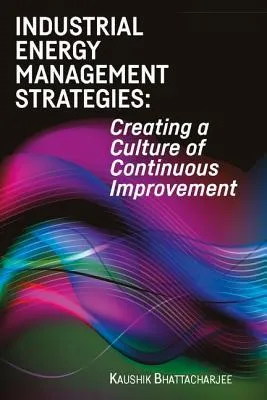
Industrial Energy Management Strategies: Creating a Culture of Continuous Improvement
Kaushik Bhattacharjee
English
Beginner
Economics
4.6 / 5
0 reviews
2018
Published
307
pages
150
views
Introduction Energy management is no longer just a technical challenge confined to the boundaries of engineering. It has evolved into a critical business priority that determines competitiveness, cost-effectiveness, and sustainability in the industrial sector. My book, "In
Before you read
What will you get from this book?
Introduction
Energy management is no longer just a technical challenge confined to the boundaries of engineering. It has evolved into a critical business priority that determines competitiveness, cost-effectiveness, and sustainability in the industrial sector. My book, "Industrial Energy Management Strategies: Creating a Culture of Continuous Improvement,” aims to guide organizations in this ever-relevant domain. This is not merely a technical handbook but a complete framework that integrates people, processes, and technology towards achieving industrial efficiency and fostering a culture of continuous improvement.
The book targets professionals in industrial and manufacturing sectors, energy managers, sustainability experts, and corporate leadership who want to create a resilient energy management system. From understanding the fundamentals of energy management to implementing continuous improvement strategies, the book covers every facet required to succeed in today's dynamic and sustainability-oriented industrial environment.
This introduction serves to set the stage for the rich insights and actionable strategies presented in the chapters that follow. As industries face increasing pressure to adopt sustainable practices, control costs, and meet compliance regulations, effective energy management has become a cornerstone of operational excellence. Let’s dive deeper into what this book offers.
Detailed Summary of the Book
At its core, the book revolves around equipping industries with a structured methodology for energy management. It begins by laying the foundation, explaining why energy management is vital and how it can serve as an enabler of wider business objectives. The early chapters discuss the technical, financial, and environmental implications of energy consumption while dissecting the barriers that often prevent industries from achieving optimum efficiency.
The middle chapters of the book provide step-by-step guidance on designing and implementing an energy management system (EnMS). Leveraging best practices like energy audits, benchmarking, and key performance indicators (KPIs), I present a roadmap to track, measure, and optimize energy performance. Beyond systems and technologies, this book emphasizes the human element, advocating for workforce engagement, capacity building, and leadership alignment.
The latter part introduces principles of continuous improvement, adapted specifically to energy management. Readers are introduced to methodologies like Plan-Do-Check-Act (PDCA) cycles, Lean Six Sigma, and Total Productive Maintenance (TPM) as they relate to energy efficiency. Additionally, I cover emerging trends, including digitization, data analytics, and Industry 4.0, all of which are enhancing energy management capabilities.
Key Takeaways
- Understanding the business case for energy management in industrial operations.
- Fundamentals of designing a structured energy management system (EnMS).
- The role of employee engagement and creating organizational buy-in.
- How to leverage data and emerging technologies to optimize energy usage.
- The importance of aligning energy strategies with sustainability goals.
- Adopting a culture of continuous improvement to ensure long-term energy efficiency.
Famous Quotes from the Book
"Energy management is not just a technical endeavor; it is the art of creating a culture that compels everyone in an organization to think differently about energy."
"You cannot improve what you don’t measure, and you cannot sustain what you don’t embed in your organizational DNA."
"True sustainability is the ability to achieve your operational goals today while preserving opportunities for tomorrow."
Why This Book Matters
With the world moving towards a sustainable future, industries must rethink their approach to energy management. This book matters because it addresses the urgent need for organizations to balance cost optimization, regulatory requirements, and environmental responsibilities. As energy prices fluctuate and climate-change concerns intensify, the strategies presented in this book provide not only a competitive edge but also a moral compass to embrace sustainability holistically.
By emphasizing the integration of continuous improvement techniques into energy management practices, this book fills a critical gap in the resources available for today’s decision-makers. Its focus on both the technical and organizational drivers behind energy efficiency makes it a versatile guide for industries of all sizes and complexities.
Whether you are grappling with rising energy costs, preparing for energy audits, or striving to meet sustainability goals, this book empowers you with the tools, strategies, and mindset to excel. It’s more than just a book—it’s a roadmap for creating a future-ready organization equipped to thrive in a resource-constrained world.
Ask this book
Your question is answered in the context of this title and author. Each answer uses 2 points.
Sign in to ask the book assistant.
Reader reviews
0 reviews, 4.6 average out of 5
No reviews yet
If you have read this book, help the next reader with your experience.
Write a review
Sign in to publish a review.
Reader questions and answers
Ask a focused question and learn from the community.
Sign in to ask or answer a question.
No questions yet
Be the first to ask a clear, useful question.
What to read next
Related references that continue this learning path.


Modern Computer Vision with PyTorch: A Practical Roadmap From Deep Learning Fundamentals to Advanced Applications and Generative AI, 2nd Edition
V Kishore Ayyadevara,Yeshwanth Reddy
2023
View book