
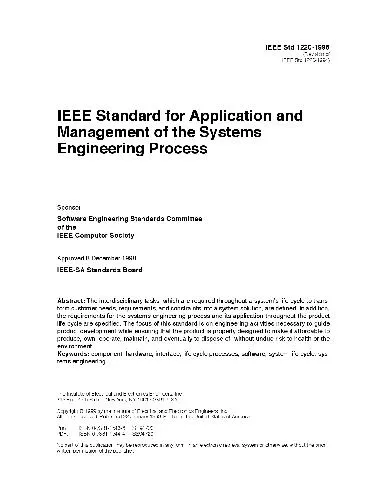
IEEE Trial Use Standard for Application and Management of the Systems Engineering Process (IEEE Std 1220
Software Engineering Standards Committee of the IEEE Computer SociCODE: OS
1994
View book
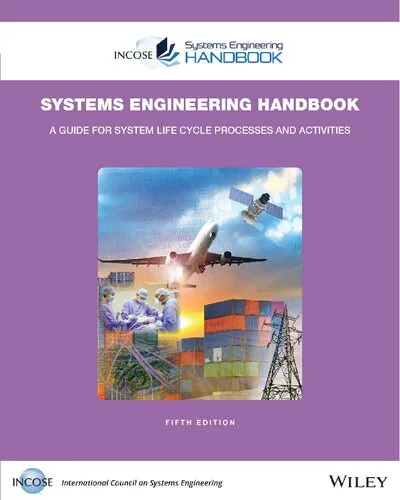
Book guide and evaluation
David D. Walden
0 reviews
Published
pages
views
Introduction to the INCOSE Systems Engineering Handbook The INCOSE Systems Engineering Handbook serves as a cornerstone in the realm of systems engineering, offering comprehensive guidelines and principles that are pivotal for both novice practitioners and seasoned professiona
Before you read
The INCOSE Systems Engineering Handbook serves as a cornerstone in the realm of systems engineering, offering comprehensive guidelines and principles that are pivotal for both novice practitioners and seasoned professionals.
This handbook is meticulously designed to provide a robust framework for understanding and applying the principles of systems engineering. It encapsulates the collective wisdom of the International Council on Systems Engineering (INCOSE) and offers standardized practices that are recognized globally. The book begins with the fundamental concepts of systems engineering, including its definition, importance, and application areas.
The early chapters introduce the SE process framework, emphasizing the significance of life cycle stages and the role of a systems engineer in navigating these stages effectively. The text proceeds to discuss the intricacies of requirements engineering, ensuring that practitioners can gather, analyze, and validate requirements with precision.
The handbook further delves into design considerations, stressing the need for modeling and simulation to optimize system performance. Integration and verification are explored in detail, providing insights into how to systematically combine system components and ensure they perform as intended.
Later sections address contemporary challenges in systems engineering, such as complexity management and sustainability. By the end of the book, readers gain a holistic view of systems engineering practices and the strategic thinking required to implement them successfully.
"Systems engineering is the art and science of creating whole solutions to complex problems."
"Understanding stakeholder needs is the foundation of effective system design."
The INCOSE Systems Engineering Handbook is more than just a collection of engineering practices; it is a testament to the collaborative efforts and shared knowledge of systems engineers worldwide. As industries become more interconnected and complex, the demand for proficient systems engineers is rising. This handbook addresses that need by fostering a deep understanding of systems thinking, ensuring that professionals are equipped to design and manage systems that meet stakeholder requirements while adapting to ever-changing environments.
Furthermore, the book's emphasis on standard practices facilitates communication and collaboration across global teams, promoting efficiency and innovation. By following the guidelines set forth in this handbook, practitioners can contribute to sustainable and ethical engineering solutions that have a positive impact on society and the planet.
Your question is answered in the context of this title and author. Each answer uses 2 points.
0 reviews, 4.5 average out of 5
Sign in to publish a review.
Ask a focused question and learn from the community.
Related references that continue this learning path.
Software Engineering Standards Committee of the IEEE Computer SociCODE: OS

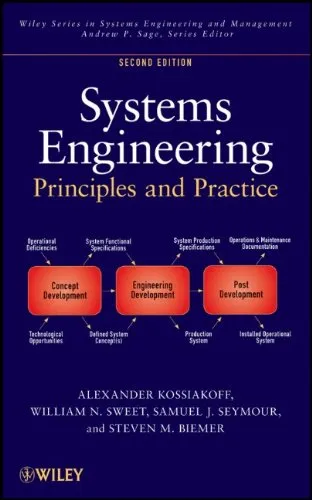
Alexander Kossiakoff,William N. Sweet,Sam Seymour,Steven M. Biemer
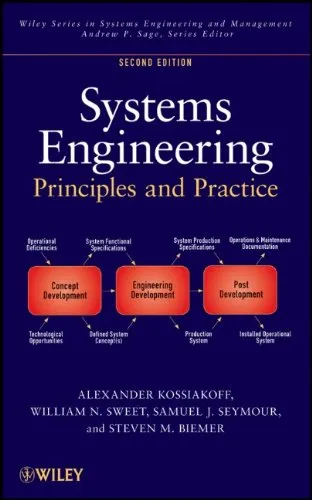
Alexander Kossiakoff,William N. Sweet,Sam Seymour,Steven M. Biemer