
Book guide and evaluation
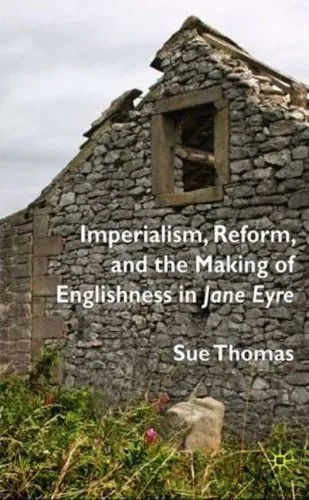
Imperialism, Reform and the Making of Englishness in Jane Eyre
Sue Thomas
English
Intermediate
novel
4.5 / 5
0 reviews
2008
Published
183
pages
647
views
Welcome to the introduction of Imperialism, Reform and the Making of Englishness in Jane Eyre, a compelling exploration of Victorian literature's engagement with questions of empire, reform, and national identity. This book delves into Charlotte Brontë's acclaimed novel wi
Before you read
What will you get from this book?
Welcome to the introduction of Imperialism, Reform and the Making of Englishness in Jane Eyre, a compelling exploration of Victorian literature's engagement with questions of empire, reform, and national identity. This book delves into Charlotte Brontë's acclaimed novel with a fresh lens, unveiling the intricate intertwining of imperialism and Englishness that renders Jane Eyre not only a beloved literary classic but also a critical depiction of its time.
Detailed Summary of the Book
Imperialism, Reform and the Making of Englishness in Jane Eyre investigates the latent and overt themes of British imperial power and its sociopolitical ramifications as portrayed in Charlotte Brontë's Jane Eyre. Through critical analysis, the book examines how the novel reflects the complexities of the British Empire and the diverse identities within it. By situating Jane Eyre within its historical context, this work elucidates how Brontë navigates the tensions between reformist ideals and imperial ambitions, reflecting broader national anxieties about identity and belonging.
Significantly, the book discusses how the protagonist's personal journey is inherently linked to the broader imperial narrative. The figure of Bertha Mason, for instance, becomes central to discussions of racial otherness and colonial exploitation, allowing readers to contemplate the intersections of race, class, and gender in the shaping of English identity. The book articulates how Jane's quest for autonomy and moral integrity mirrors the cultural dynamics of a nation grappling with its colonial enterprises and reformist movements.
Key Takeaways
- An in-depth understanding of how Jane Eyre addresses the themes of imperialism and reform.
- Insights into the novel’s depiction of race, class, and gender dynamics in the context of the British Empire.
- An exploration of how literature can serve as a reflection of national identity and its historical transformations.
- A thorough analysis of the character interactions and their role in illustrating the intersectionality of Victorian social issues.
Famous Quotes from the Book
This book highlights numerous excerpts from Jane Eyre to exemplify its central themes:
"I am no bird; and no net ensnares me: I am a free human being with an independent will."
Such quotes illustrate the themes of autonomy and resistance against societal constraints, which are significant in understanding Jane’s character and Brontë’s broader commentary on Englishness. The analysis of these quotes underscores Jane's rebellion against patriarchal and imperial domination.
Why This Book Matters
Imperialism, Reform and the Making of Englishness in Jane Eyre is a pivotal read for students and scholars of literature, postcolonial studies, and history alike. It offers a nuanced perspective that compels readers to reconsider the conventional interpretations of Brontë's work. By framing Jane Eyre as a narrative deeply intertwined with the imperial and reformist discourses of its time, this book not only enriches the understanding of Victorian literature but also prompts critical dialogue about the ongoing legacies of colonialism and national identity. Its methodical approach to dissecting how literature mirrors sociopolitical issues broadens the horizons for how we perceive narrative art.
In a world continuously grappling with the remnants of imperialism and the quest for genuine reform, this book's exploration of Jane Eyre provides a vital lens through which to view and critique contemporary discussions on race, gender, and national identity. It matters because it offers a layered approach to reading a novel that, although written more than a century and a half ago, remains profoundly relevant today.
Ask this book
Your question is answered in the context of this title and author. Each answer uses 2 points.
Sign in to ask the book assistant.
Reader reviews
0 reviews, 4.5 average out of 5
No reviews yet
If you have read this book, help the next reader with your experience.
Write a review
Sign in to publish a review.
Reader questions and answers
Ask a focused question and learn from the community.
Sign in to ask or answer a question.
No questions yet
Be the first to ask a clear, useful question.
What to read next
Related references that continue this learning path.

The Bronte cabinet: three lives in nine objects
Brontë, Anne;Brontë, Charlotte;Brontë, Emily;Lutz, Deborah
2016
View book
The Madwoman in the Attic: The Woman Writer and the Nineteenth-Century Literary Imagination, Second Edition (Nota Bene)
Professor Sandra M. Gilbert,Professor Susan Gubar
2000
View book
The madwoman in the attic : the woman writer and the nineteenth-century literary imagination
Sandra M. GilbertandSusan Gubar.
2000.
View book