Book guide and evaluation
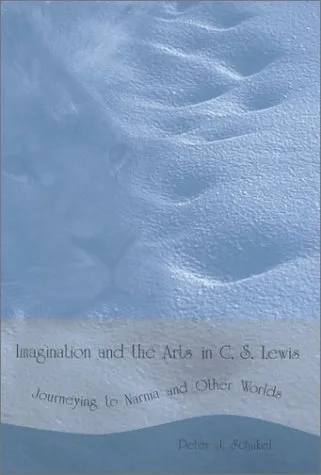
Imagination and the Arts in C.S. Lewis: Journeying to Narnia and Other Worlds
Peter J. Schakel
English
Beginner
novel
4.4 / 5
0 reviews
2002
Published
232
pages
679
views
Welcome to a profound exploration of the imaginative worlds of C.S. Lewis, expressed in my book, Imagination and the Arts in C.S. Lewis: Journeying to Narnia and Other Worlds. This introductory passage will guide you through the book’s multifaceted examination of one of the mos
Before you read
What will you get from this book?
Welcome to a profound exploration of the imaginative worlds of C.S. Lewis, expressed in my book, Imagination and the Arts in C.S. Lewis: Journeying to Narnia and Other Worlds. This introductory passage will guide you through the book’s multifaceted examination of one of the most beloved writers of the 20th century. In the following sections, you'll uncover the ways in which Lewis's imagination was not only a tool for storytelling but also a vehicle for profound spiritual and philosophical discourse.
Detailed Summary of the Book
The book delves into the nuanced interplay between imagination and the arts within the works of C.S. Lewis. It argues that Lewis’s unique ability to weave narrative with profound theological and philosophical insight is largely attributed to his masterful use of imagination. An in-depth analysis reveals how this imaginative prowess shapes his seminal works, from the fantastical landscapes of Narnia to the cosmic explorations in the Space Trilogy.
Throughout the book, each chapter is dedicated to unveiling how Lewis harnessed the power of imagination, effectively blurring the lines between reality and fantasy. It explores the intricate symbolism in Lewis’s novels and non-fiction works, offering readers a deeper understanding of his artistic vision. Furthermore, the book considers Lewis’s perception of art and its necessity for a complete expression of spiritual truth.
Key Takeaways
- Imagination is central to C.S. Lewis’s creative and philosophical endeavors, serving as an essential bridge between mind and spirit.
- C.S. Lewis utilizes mythical and fantastical elements to communicate broader theological and moral truths.
- The arts play a crucial role in Lewis’s portrayal of the spiritual journey, emphasizing their power to reveal hidden truths.
- Narrative imagination serves as a means of experiencing transcendence, allowing readers to engage more deeply with profound ideas.
Famous Quotes from the Book
“Lewis’s imagination functioned as both a playground and a crucible where ideas were tested and truths discovered.”
“In composing Narnia, Lewis offered a world not just of fantasy, but of deeply rooted spiritual exploration.”
"Art, for Lewis, is not just imitation but a path to discovering the divine order that underpins reality."
Why This Book Matters
My exploration of Lewis’s work is an essential read for both scholars and fans of C.S. Lewis, as it provides a comprehensive analysis of how imaginative literature can transcend conventional boundaries to reveal profound truths. The book underscores the enduring relevance of Lewis’s ideas, especially in a contemporary world where imagination is often undervalued.
By understanding Lewis’s art through the lens of imagination, readers can better appreciate the complexity and depth of his storytelling. This understanding fosters not only a deeper appreciation of Lewis's artistry but also invites readers to engage with their own imaginative faculties in meaningful ways.
Ultimately, Imagination and the Arts in C.S. Lewis: Journeying to Narnia and Other Worlds highlights the transformative power of imaginative literature, encouraging a synthesis of art, faith, and reason in the pursuit of truth.
Ask this book
Your question is answered in the context of this title and author. Each answer uses 2 points.
Sign in to ask the book assistant.
Reader reviews
0 reviews, 4.4 average out of 5
No reviews yet
If you have read this book, help the next reader with your experience.
Write a review
Sign in to publish a review.
Reader questions and answers
Ask a focused question and learn from the community.
Sign in to ask or answer a question.
No questions yet
Be the first to ask a clear, useful question.
What to read next
Related references that continue this learning path.
Media and the Make-Believe Worlds of Children: When Harry Potter Meets Pokemon in Disneyland
Maya Gotz,Dafna Lemish,Amy Aidman,Hyesung Moon
2005
View book
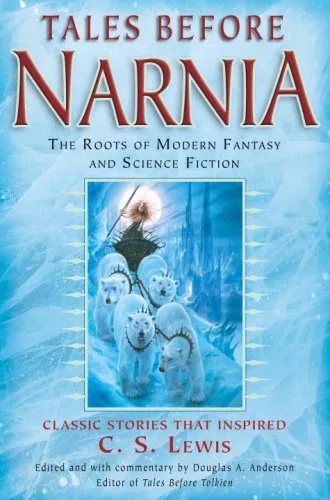
Tales Before Narnia: The Roots of Modern Fantasy and Science Fiction
Douglas A. Anderson
2008
View book