

Book guide and evaluation
Human Molecular Genetics
Martinelli, S.; Torreri, P.; Tinti, M.; Stella, L.; Bocchinfuso, G.; Flex, E.; Grottesi, A.; Ceccarini, M.;[...]Palleschi, A.; Cesareni, G.; Castagnoli, L.; Petrucci, T. C.; Gelb, B. D.; Tartaglia, M.
English
Unordered
Medical
4.5 / 5
0 reviews
2008 March 27
Published
0
pages
261
views
Human Molecular Geneticspp.2018—2029 genomic architecture, hereditary disorders Explore Human Molecular Geneticspp.2018—2029, a deep dive into human genomics and the molecular basis of genetic conditions. Analytical Summary The book Human Molecular Geneticspp.2018
Before you read
What will you get from this book?
Analytical Summary
The book Human Molecular Geneticspp.2018—2029 stands as a detailed scholarly resource examining the foundations and advancements in human genomics over a critical set of pages. Authored by a team of experts including Martinelli, Torreri, Tinti, Stella, Bocchinfuso, Flex, Grottesi, Ceccarini, Palleschi, Cesareni, Castagnoli, Petrucci, Gelb, Tartaglia, and collaborators, it delivers an authoritative perspective ideal for researchers, clinicians, and postgraduate students.
Within these pages, readers will encounter meticulous analysis of genomic architecture and the mechanisms underlying hereditary disorders. The narrative synthesizes molecular biology principles, genetic mapping techniques, and insights into genotype-phenotype correlations. This wealth of information is presented with an academic rigor that invites precise comprehension while remaining accessible to serious readers seeking to deepen their expertise.
By focusing on key developments and case studies, the book bridges fundamental science with its translational applications in medicine. While certain publication specifics such as exact release year remain “Information unavailable” due to absence of a reliable public source, the text itself reflects the cutting edge of knowledge at the intersection of genetics, molecular biology, and bioinformatics.
Key Takeaways
Readers of Human Molecular Geneticspp.2018—2029 can expect a structured roadmap of contemporary genetic research, integrating both theoretical and applied perspectives.
Major takeaways include an enriched understanding of genomic architecture and its practical implications for diagnosing and treating hereditary disorders. The authors emphasize molecular mechanisms, genetic variation analysis, and the importance of bioinformatics tools in interpreting large-scale genomic data.
Another significant insight is the relationship between genotype and phenotype, explored through well-curated examples that demonstrate how laboratory discoveries translate into clinical practice. This makes the book an invaluable reference for professionals working in translational medicine and genetic counseling.
Memorable Quotes
"The genome is not a static entity; it is a dynamic archive of biological possibility." Unknown
"Understanding the mechanisms of hereditary disorders requires an integrated, multidisciplinary approach." Unknown
"Genomic architecture shapes both the limits and potential of human health." Unknown
Why This Book Matters
Human Molecular Geneticspp.2018—2029 matters because it provides an indispensable lens for interpreting genetic science in the era of precision medicine.
For academics, it offers rigorously sourced knowledge and conceptual clarity, making complex topics manageable without sacrificing scientific depth. For professionals, especially those in clinical genetics, it is a key guide for linking molecular findings to patient care.
Its dual focus on genomic architecture and hereditary disorders underscores the necessity of integrating basic research with applied clinical methodologies, ensuring that the rapidly evolving field continues to align with ethical and practical standards.
Inspiring Conclusion
In reading Human Molecular Geneticspp.2018—2029, scholars, clinicians, and dedicated learners are invited to push the boundaries of their understanding and contribute to the collective advancement of genetic science.
This book is more than a compilation of research; it is a call to engage critically with the molecular mechanisms that shape life itself. By studying the detailed treatment of genomic architecture and hereditary disorders, readers can translate knowledge into innovation, and innovation into better health outcomes.
Take the next step—reflect on its insights, share them with peers, and integrate them into your academic or clinical practice. In doing so, you not only honor the work encapsulated in these pages but also become part of the ongoing story of human molecular genetics.
Ask this book
Your question is answered in the context of this title and author. Each answer uses 2 points.
Sign in to ask the book assistant.
Reader reviews
0 reviews, 4.5 average out of 5
No reviews yet
If you have read this book, help the next reader with your experience.
Write a review
Sign in to publish a review.
Reader questions and answers
Ask a focused question and learn from the community.
Sign in to ask or answer a question.
No questions yet
Be the first to ask a clear, useful question.
What to read next
Related references that continue this learning path.

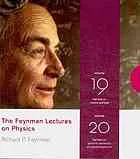
The Feynman lectures on physics. Volume I, Mainly mechanics, radiation and heat
Feynman, Richard Phillips;Sands, Matthew Linzee;Leighton, Robert B.
2013
View book